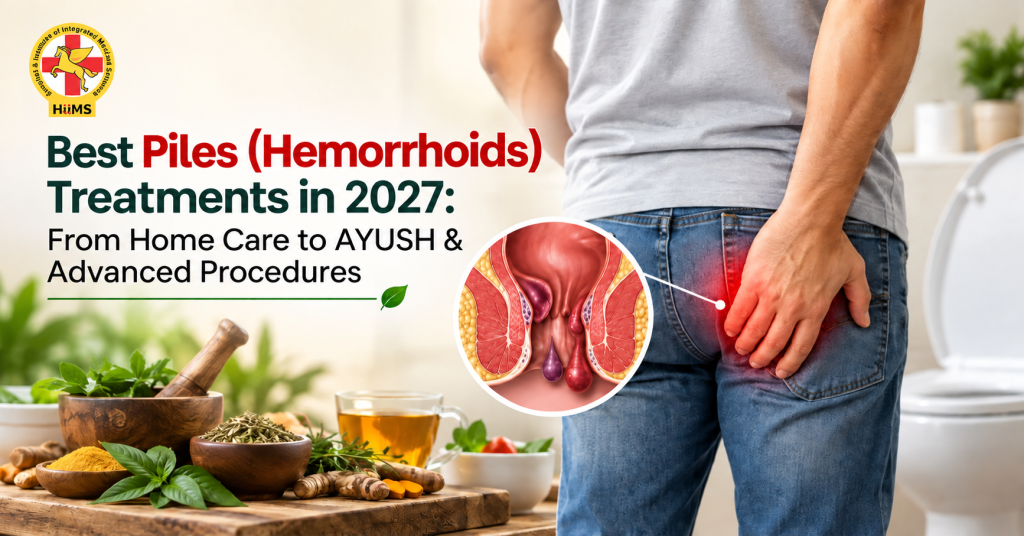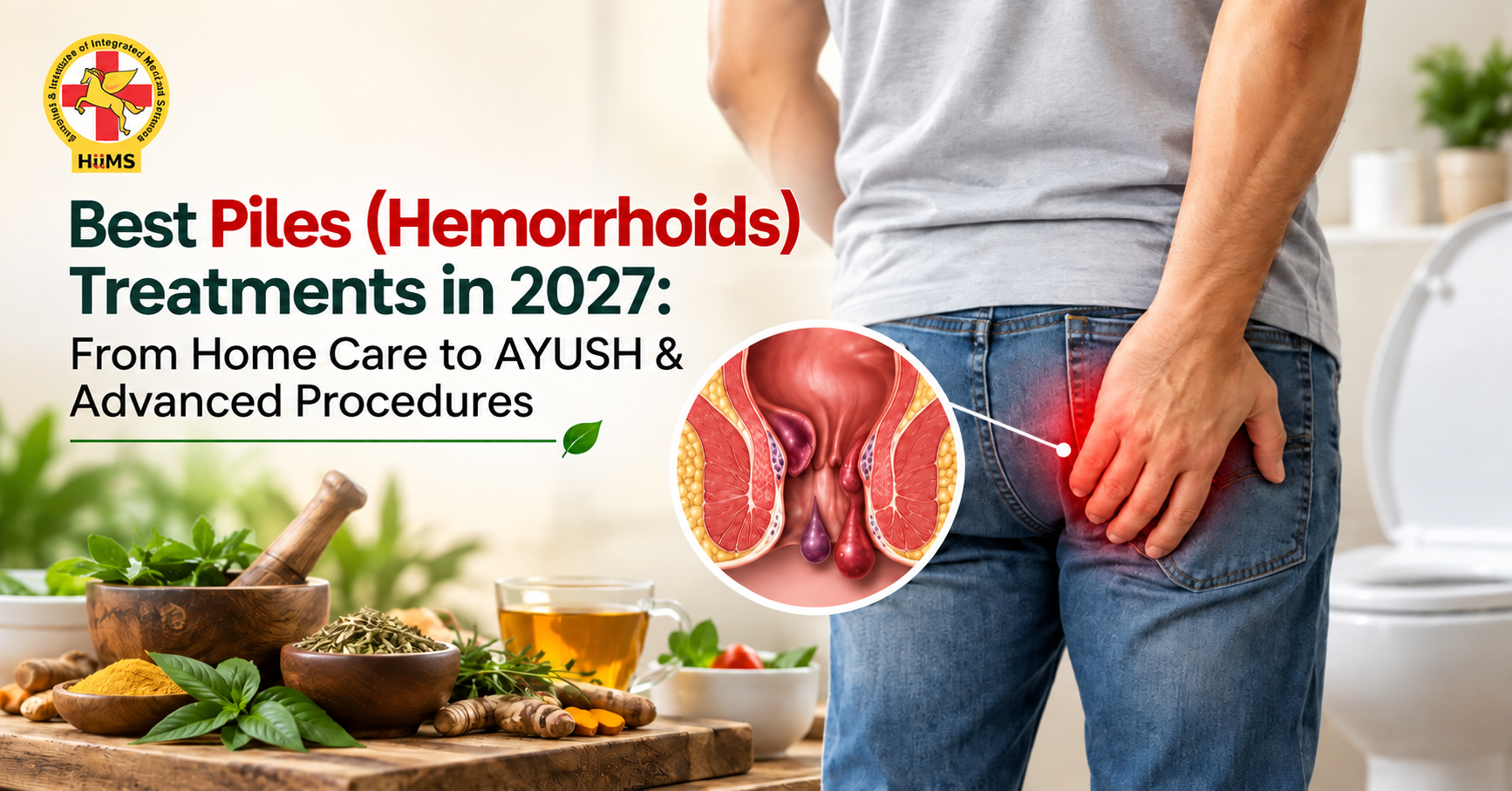

Piles are swollen blood vessels in the rectum and anus. They can cause bleeding, pain, itching, or prolapse. If you’re looking into piles treatment, wondering whether you really need surgery, or asking if Ayurveda can cure piles, this article compares every major approach available in 2027, based on the evidence.
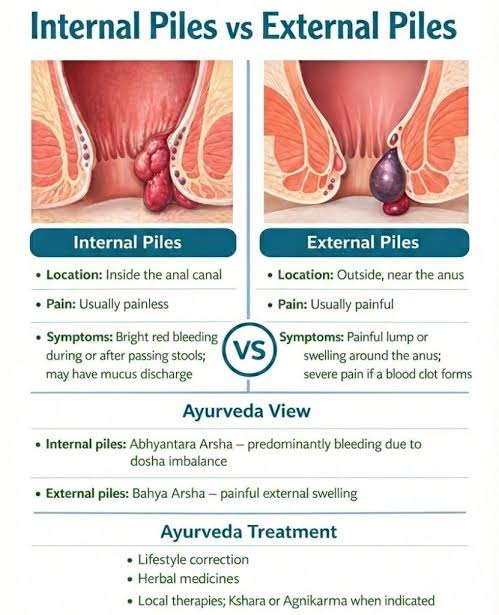
Piles can be broadly classified as internal or external. Internal piles form inside the rectum and are usually painless unless they prolapse. External piles form under the skin around the anus and tend to hurt, especially during bowel movements. Thrombosed hemorrhoids, which contain a blood clot, are very painful. The severity of piles is commonly described in four grades, from Grade I with bleeding only to Grade IV with an irreducible prolapse. Other signs include itching or irritation around the anus, a lump near the anus (often an external pile), bright red blood on toilet paper or in the stool, and mucus discharge after passing stool.
This is a common condition affecting millions. A systematic review of 163 studies put the global point prevalence at 25.92%. In India, a pooled analysis of 19 studies covering 13,919 participants found a point prevalence of 25.34%. Here, we compare home remedies, conventional allopathic care, minimally invasive procedures, surgery and evidence-informed AYUSH options offered at Jeena Sikho HiiMS. Each option is evaluated on symptom relief, recurrence rates, safety, recovery time, long-term bowel health, and suitability for chronic cases.
How We Evaluated the Best Piles Treatment Approaches
The evaluation draws on clinical guidelines (American Society of Colon and Rectal Surgeons 2018, NIDDK, NHS), peer-reviewed trials, and AYUSH research for herbal and procedural therapies. No single method is perfect; ranking is based on a balance of effectiveness, invasiveness, side effects, and lifestyle fit.
- Effectiveness in symptom relief: Bleeding, pain, itching, and prolapse control measured across RCTs comparing procedures like rubber band ligation vs surgery.
- Recurrence rates: 1-to-5-year data across the lifestyle changes, banding, and hemorrhoidectomy.
- Invasiveness and recovery: Need for anesthesia, hospital stay, typical downtime in days versus weeks.
- Safety profile: Complication rates (infection, stenosis, incontinence) from surgical series.
- Holistic impact: Gut health, constipation control, weight, comorbid conditions (diabetes, obesity), where integrative and AYUSH care adds value.
- Cost and accessibility in India (2024-2027): OPD consults cost a fraction of laser procedures; inpatient surgery is the most expensive tier.
- Patient suitability: Stages of piles (Grade I-IV), pregnancy, elderly, those unfit for anesthesia.
- Evidence strength: Allopathic treatments have the most RCTs and meta-analyses; AYUSH evidence is growing but typically involves smaller sample sizes and shorter follow-ups.

The Best 7 Treatment Options for Piles (Hemorrhoids) in 2027
Below are seven individual management options. Combinations are common; for example, Jeena Sikho HiiMS typically creates integrated treatment plans that layer dietary changes with topical care, procedures, and Panchakarma.
1. Lifestyle Changes and Home Care (First-Line for Early Piles)
Lifestyle changes can help manage and prevent piles at every stage. A high-fibre diet helps soften stools and lessens the straining that is the primary mechanical cause of internal hemorrhoids. Hydration is just as important, and 8-10 glasses of water each day can prevent the chronic constipation that raises pressure on the rectal veins. For pain relief, warm sitz baths offer soothing comfort. Regular exercise of at least 30 minutes a day helps keep digestion smooth and lowers the risk of constipation and developing piles.
Why This Option Stands Out
Guidelines worldwide recommend the lifestyle modification as first-line therapy for Grade I-II piles. Pooled meta-analyses find that fiber supplements alone reduce the risk of persistent symptoms by roughly 50% compared to placebo. Safe and inexpensive, this approach also carries lasting benefits for blood sugar control, weight management, and cardiovascular health, well beyond the piles themselves.
Best For
- Patients with Grade I-II piles (mild bleeding, itching, no large prolapse).
- Pregnant women and elderly, where procedures are best delayed or minimised. Pregnancy can cause piles due to pelvic pressure on rectal veins.
- People with chronic constipation or a sedentary lifestyle contributing to piles.
Key Strengths
- Aim to get 25–35 g of dietary fiber per day from vegetables, whole grains, legumes, seeds and fruits.
- Drink 2 to 3 litres of water throughout the day.
- Maintain the regular bowel movements with a fixed toilet schedule; avoid straining and avoid prolonged sitting on the toilet, which increases pressure in the anal area.
- Losing excess weight can lower the risk of developing piles; obesity increases the likelihood of developing piles.
- Heavy lifting can increase abdominal pressure, leading to piles; frequent heavy lifting can aggravate the pile symptoms.
- Avoiding prolonged sitting or standing reduces excess pressure on rectal veins.
Possible Limitations
- Relief is relatively slow for acute severe pain or large prolapse.
- May be insufficient alone for Grade III-IV, thrombosed, or recurrent piles.
- This approach works only if the person commits to changing their behaviour consistently. To help with that, Jeena Sikho HiiMS diet and lifestyle coaches offer virtual consultations and home-based care programs that keep patients compliant.
2. Topical and Oral Medications (Allopathic Symptom Control)
This category brings together topical creams with local anesthetics, steroid ointments, stool softeners, pain relievers and oral flavonoids such as micronised purified flavonoid fraction. When bought over the counter, these remedies can provide short-lived relief from pile symptoms, especially itching and swelling around the anus.
Why It Stands Out
Medications work fast to ease symptoms. Randomised controlled trials (RCTs) of oral flavonoids report reduced bleeding episodes and shorter acute flares than placebo. You can find them almost anywhere in India, and a doctor can prescribe them over a teleconsultation.
Best For
- Short-term control of acute flare-ups in Grade I-III piles.
- People who need fast relief while they get ready for a procedure or implement the lifestyle changes.
Key Strengths
- Steroid creams: typical use 5-7 days to alleviate symptoms of inflammation.
- Oral flavonoids: 4-8 week courses reduce bleeding during bowel movements and post-defecation discomfort.
- Compatible with AYUSH measures when monitored by an experienced doctor to avoid interactions.
Possible Limitations
- Constipation, obesity, and chronic straining may continue to contribute to recurrence if the habits causing them are not addressed.
- Prolonged steroid use may thin the perianal skin, so doctors usually limit its use to less than 7 to 10 days.
- When lifestyle habits are not improved, symptoms can return after stopping medications.
3. Minimally Invasive Office Procedures (Rubber Band Ligation, Sclerotherapy, Infrared Coagulation)
These minimally invasive procedures can usually be performed in an OPD or day care setting. They aim to shrink internal piles by reducing their blood supply or by causing controlled scarring of the tissue. Indian tertiary centres have used them widely from 2015 through 2026.
Why They Stand Out
Rubber band ligation is a commonly used non surgical option for piles. Sclerotherapy involves injecting a solution to help shrink the piles, while infrared coagulation uses heat to reduce blood flow to them. In the HubBLe trial, hemorrhoidal artery ligation had a 30% recurrence rate at 12 months compared with 49% after rubber band ligation among Grade II and III patients. A Dutch multicenter RCT reported a much lower 12-month recurrence rate after hemorrhoidectomy at 6.1%, compared with 47.5% with banding in Grade III patients. However, those who underwent banding returned to work in 1 day, compared with 9 days after surgery.
Best For
- Patients with persistent or recurrent bleeding and prolapse despite dietary changes and medicines may need medical intervention.
- Professionals seeking care with limited downtime.
- Those unfit or unwilling for major surgery.
Key Strengths
- Banding: Most common, cost-effective; procedure under 15 minutes; usually no anesthesia.
- Sclerotherapy: Well suited to elderly or anticoagulated patients; the procedure can generally be done in an office setting.
- Infrared coagulation: Suitable for small Grade I-II piles with limited blood vessel involvement.
Possible Limitations
- Primarily suitable for internal piles, rather than large external tags or thrombosed piles.
- Some post-procedure pain or minor bleeding is common but usually self-limited.
- Recurrence is more likely than with full surgery in severe Grade III to IV cases, so repeat sessions may be required.
4. Ksharasutra Therapy (Ayurvedic Medicated Thread Ligation)
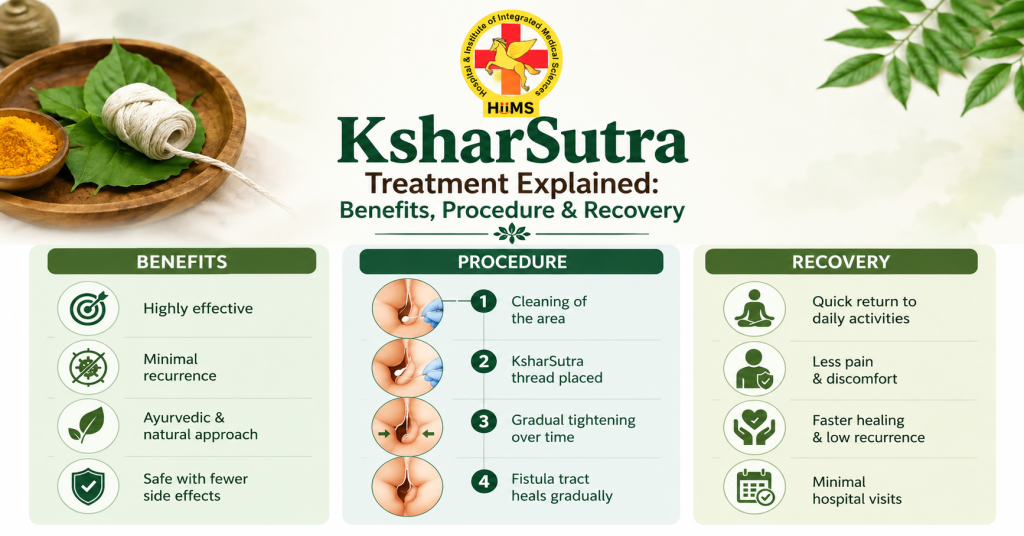
Ksharasutra is a classical Ayurvedic para-surgical procedure described in the Sushruta Samhita. A thread coated with Kshara (alkaline herbal ash) and medicinal latex is tied around the base of the pile mass. Over several days, the thread gradually cuts through and shrinks the tissue while the herbal coating helps clean the area and promote healing. Ksharasutra has been practised in the Ayurvedic hospitals across India for decades and is widelysed in anorectal care.
Why It Stands Out
It is a non-excisional, thread-based method that removes the pile mass in a controlled way without a large surgical wound. Research from Ayurvedic institutes in India has studied it for hemorrhoids, and it is also used as an alternative to rubber band ligation for suitable cases. The medicated coating adds antimicrobial and wound-healing support that a plain ligature does not offer.
Best For
- Patients with Grade II-III internal piles, especially those with a defined or pedunculated pile mass.
- People who want an Ayurvedic, minimally invasive option instead of conventional surgery.
- Patients who can manage a short period of follow-up and thread care.
Key Strengths
- Done as a day-care or short-stay procedure, usually under local or regional anesthesia.
- Little blood loss, and no large open wound.
- Often combined with internal Ayurvedic medicines, a fiber-rich diet, and sitz baths to support recovery and prevent recurrence.
Possible Limitations
- It needs an experienced Ayurvedic anorectal surgeon (Shalya Tantra specialist); results depend on technique.
- Some discomfort, burning, or mild discharge is common while the thread cuts through.
- Not suitable for every case. Very large, thrombosed, or complicated piles may still need conventional surgical care.
5. Kshara Karma (Ayurvedic Alkaline Chemical Cauterisation)
It is a quick, bloodless, non-cutting procedure that treats the pile at its source while preserving surrounding healthy tissue. Clinical studies from Ayurvedic research institutes have reported improvement in bleeding, pain and prolapse after the Kshara-based procedures. It is often paired with the Triphala Guggulu, Arshoghna herbal formulations and Ksara Vasti as part of a wider treatment plan.
Why It Stands Out
It is a quick, bloodless, non-cutting procedure that treats the pile at its source while preserving surrounding healthy tissue. Clinical studies from the Ayurvedic research institutes have reported improvement in bleeding, pain, and prolapse after Kshara-based procedures. It is often paired with Triphala Guggulu, Arshoghna herbal formulations and Ksara Vasti as part of a wider treatment plan.
Best For
- Patients with Grade I-II (and selected Grade III) internal piles with bleeding.
- Those who prefer a natural, non-surgical route with minimal downtime.
- Patients unfit for, or unwilling to have, surgery or anesthesia.
Key Strengths
- Takes only a few minutes per pile, usually as an OPD or day-care procedure.
- No cutting and minimal blood loss, with a quick return to routine activities.
- Fits well with Panchakarma, dosha-based diet planning, and yoga for pelvic circulation.
Possible Limitations
- Mainly effective for internal piles; large external tags or thrombosed piles respond poorly.
- It must be done by a trained practitioner, as improper application can irritate surrounding tissue.
- Some patients may need repeat sessions and lifestyle and diet correction is still essential to prevent recurrence.
6. Ayurvedic and Other AYUSH Treatments for Piles (As Practiced at Jeena Sikho HiiMS)
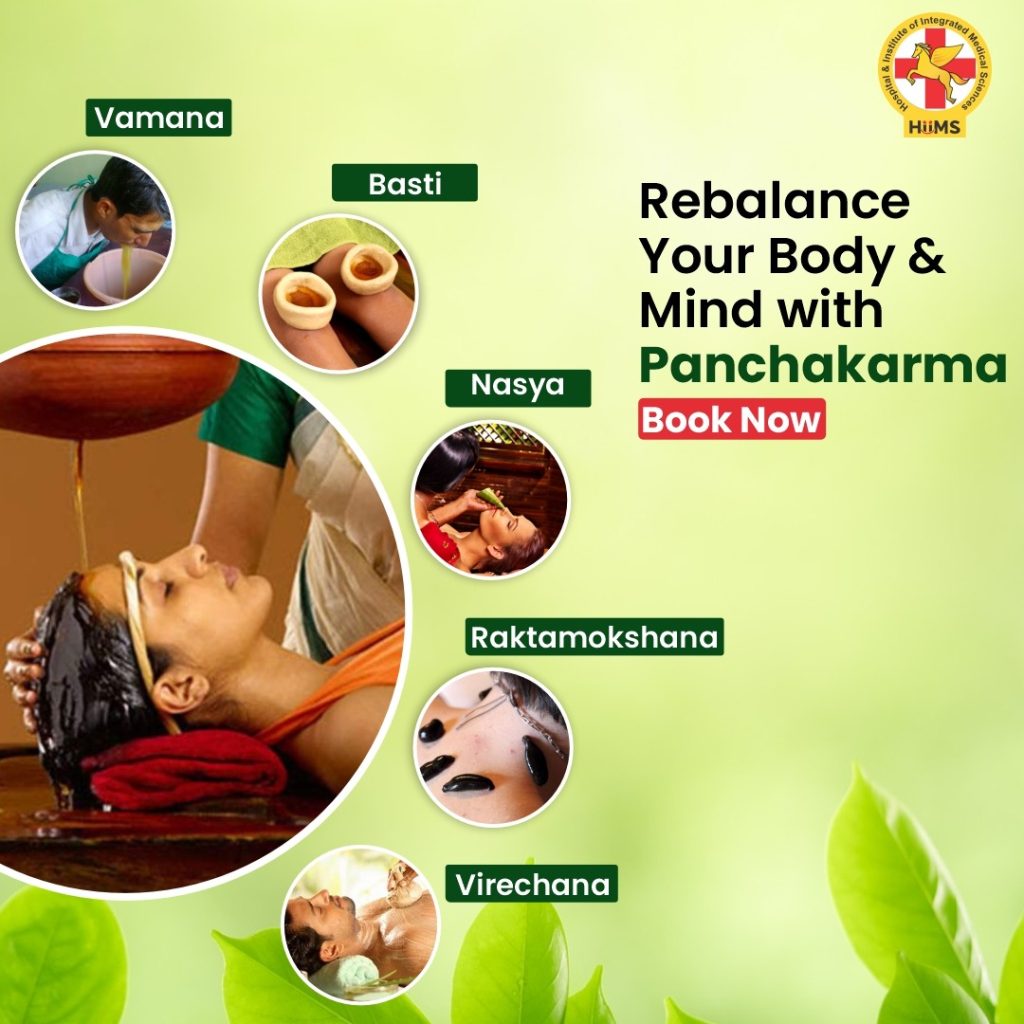
Ayurveda holds that piles (Arsha) develop when Agni (digestive fire) is weak, Vata and Pitta are aggravated, constipation becomes chronic, and daily habits fall out of balance. The main Ayurvedic approaches include herbal formulations (Triphala, Kutaja-based preparations, Arshoghna yogas), Kshara karma, Ksharasutra for select anorectal conditions, and Panchakarma-based detox. Homeopathy and Unani medicine can provide further support.
Why It Stands Out
The emphasis is on reversing the disease and correcting its root cause by improving digestion, liver health, lifestyle, and stress, rather than simply removing the hemorrhoids. In West Bengal, a double-blind RCT of 134 adults with Grade I-III hemorrhoids found that individualized homeopathic medicines improved the anorectal symptom severity and quality of life over 3 months, compared with placebo. A trial at the Ayurvedic Central Research Institute (129 patients, 6 weeks of treatment, 12 months of follow-up) showed less bleeding, pain, and prolapse with Ksara Vasti and Triphala Guggulu. A 2026 trial comparing Gudavarti with Kasisadi Taila instillation in Grade I-II internal hemorrhoids has reported early improvement in bleeding and mucous discharge.
Best For
- Grade I-II and early Grade III piles where structural damage is still moderate.
- Patients looking for natural, non surgical treatment options or those managing multiple lifestyle diseases such as diabetes, fatty liver, and obesity who may benefit from holistic programs.
- Those appropriate for Panchakarma day care or HiiMS @ Home regimens.
Key Strengths
- In-depth dosha assessment, customized diet plan (fibre rich diet, plant based), targeted herbs, yogasanas for pelvic circulation, and coaching on healthy toilet habits.
- Virtual consultations (VOPD) and remote monitoring for follow-up and relapse prevention.
- Potential for improving the associated conditions like IBS, acidity, and metabolic syndrome.
Possible Limitations
- Research evidence is growing, although it is still more limited than allopathic surgical trials; integrative decision-making remains important for Grade III-IV.
- Requires adherence to diet and lifestyle guidelines; results depend on patient participation.
- Severe prolapsed or strangulated piles may still require procedural or surgical intervention along with AYUSH support.
7. Integrated Piles Care Programs (Combining Allopathy, AYUSH and Lifestyle Medicine)
At Jeena Sikho HiiMS, integrated programs pair modern diagnostic tools and procedures with Ayurveda, naturopathy, yoga, and nutritional therapy. Each patient moves through the same steps: diagnosis is confirmed (using proctoscopy or colonoscopy when required), the piles are graded, symptoms are relieved quickly, a plan is made to treat the underlying cause, and follow-up is carefully structured.
Why It Stands Out
Patients get fast relief from symptoms as well as a path to long-term reversal of the condition. The idea is to use the right tool at the right moment, for instance, pairing banding with Panchakarma and a lifestyle reversal plan. A multidisciplinary team of proctologists, AYUSH physicians, dietitians, and lifestyle coaches works together on each case.
Best For
1. Patients who experience recurrent piles, have coexisting lifestyle diseases, or have a long history of chronic constipation.
2. People who want to reduce the need for repeated procedures by improving their habits, managing their weight, and supporting better gut health.
3. Non-metro patients who can use virtual care plus periodic camp visits.
Key Strengths
- Personalised diet charts, yoga routines designed to support pelvic floor blood flow, stress-management modules, and digital tracking of bowel patterns.
- Jeena Sikho HiiMS extends care at home (HiiMS @ Home) with guidance on sitz baths, herbal decoctions, and exercises to support regular physical activity.
- Addresses why spicy foods, excess weight, and prolonged sitting or standing cause piles recurrence.
Possible Limitations
- Requires more engagement time than a single procedure; best suited to motivated patients.
- Emergencies such as strangulated hemorrhoids cannot be managed remotely. In external piles, a blood clot may form, leading to coagulated blood and painful lumps that require a hospital visit.
How to Choose the Right Piles Treatment for You
The right treatment depends on the grade of piles, symptoms, overall health, and your own preferences. Diagnosing yourself can be risky, because conditions like colorectal cancer or IBD can look a lot like piles. If symptoms don’t go away or you notice rectal bleeding, see a doctor. Before settling on any treatment, get at least one proper evaluation through a physical exam, anoscopy, or proctoscopy. You can also consult our expert doctor at Jeena Sikho HiiMS for proper guidance and evaluation.

Choose Based on Overall Health, Age and Pregnancy Status
Aging makes rectal tissues more fragile, which raises the likelihood of piles. Older patients taking blood thinners are generally better candidates for sclerotherapy than for surgery. During pregnancy, piles can usually be managed with diet, stool softening, changes in posture, and gentle AYUSH approaches, with invasive treatment held back unless there is excessive bleeding or severe pain. Patients with uncontrolled diabetes, heart disease, or a family history of slow wound healing require thoughtful anesthesia planning. Risk is best assessed through a digital rectal exam and a proper diagnosis by a piles doctor.
Choose Based on Lifestyle, Work Demands and Recovery Time
- Office procedures: resume light activity in 24-48 hours; return to work in 1 day.
- Laser: return to routine activities in 3-7 days.
- Open surgery: Expect to wait about 2-3 weeks before sitting feels comfortable after open surgery, and around 4-6 weeks to be fully recovered.
- Virtual consultations and HiiMS @ Home are designed for people who find travel difficult or can’t afford extended leave.
Choose Based on Long-Term Goals (Symptom Relief vs Disease Reversal)
There is a difference between removing piles and removing their causes. Procedures take care of the enlarged veins, whereas diet, exercise, and stress management address the raised pressure, excessive straining and poor circulation that created them. For lasting results, Integrative AYUSH programs and lifestyle medicine are essential, even when surgery is the chosen route, because without correcting the underlying causes, recurrence is likely with any procedure.
Choose Based on Severity and Type (Internal vs External, Grade I-IV)
Which Treatment Path Is Likely Best for You?
- Choose lifestyle modification and home care if your symptoms are mild, recent and mainly linked to difficulty passing stool or excessive pressure from the prolonged sitting.
- Choose office procedures if you experience the repeated bleeding or prolapse but prefer minimal hospital time and a quicker recovery.
- Choose laser or conventional surgery if your piles are large, long-standing, prolapsed, or causing anemia or severe pain.
- Choose the Ayurvedic and AYUSH-based care at Jeena Sikho HiiMS if you prefer a natural, whole-body approach that focuses on digestion, liver health, and lifestyle factors associated with piles.
- Choose a fully integrated program if you have recurrent piles plus lifestyle diseases and are ready to invest in long-term disease reversal rather than repeated procedures.
Conclusion
Piles are treatable, and with timely, appropriate care they can often be reversed. Catching them early and acting early, whether that means lifestyle changes for Grade I or surgery for Grade IV, spares you years of discomfort and complications. The best results come from pairing short-term relief (procedures and medications) with long-term lifestyle and AYUSH-based disease reversal, so you can keep your bowel movements regular, maintain a healthy weight, and stop piles from coming back.
If you have been self-medicating or ignoring bleeding for months, seek a professional assessment. Jeena Sikho HiiMS provides OPD evaluations, VOPD consultations, and HiiMS @ Home support to help you put together a treatment plan that suits your grade, your health, and your life.

Frequently Asked Questions About Piles
These questions come up frequently in HiiMS clinics and virtual consultations.
1. What exactly are piles and how are they different from fissures and fistulas?
Piles, fissures, and fistulas are not the same problem. Piles are enlarged veins in the rectum, fissures are minor tears in the anal lining and fistulas are abnormal tunnels between the anal canal and the skin. Each one has different causes and a different treatment path, so a thorough physical exam by an experienced doctor is necessary for an accurate diagnosis.
2. Can piles turn into cancer?
Piles do not become cancer, but similar symptoms can sometimes mask colorectal cancer. People over 40 to 45 or with red flag signs (weight loss, black stools, family history of colorectal cancer) should get evaluated with a colonoscopy. Early diagnosis is important.
3. Are piles completely curable or will they keep coming back?
Recurrence rates differ by treatment and are also influenced by lifestyle. Hemorrhoidectomy has a recurrence rate of about 6%, but for Grade III piles, rubber band ligation sees around 47% recurrence after 12 months. This is why lifestyle changes and AYUSH disease reversal concentrate on constipation, inactivity and poor dietary habits.
4. When should I see a doctor urgently for piles like symptoms?
Seek urgent care for excessive bleeding, dizziness or fainting, severe pain with a hard lump, black stools, unexplained weight loss, or fever.
5. Can Ayurveda and home remedies alone treat piles without surgery?
For Grade I to II, professional guidance and non surgical AYUSH approaches may help manage symptoms. Advanced disease with the large prolapse or strangulation may require procedural or surgical intervention.
6. Is piles surgery very painful and what is the recovery like in 2026?
Modern pain control (spinal anesthesia, nerve blocks, controlled-release analgesics) can reduce the post surgical discomfort. Laser treatment may allow light activity in 3 to 7 days, while open hemorrhoidectomy may require 2 to 3 weeks for the comfortable sitting.
7. How does Jeena Sikho HiiMS support patients with piles?
Jeena Sikho HiiMS offers AYUSH based OPD and integrative treatment plans with Ayurvedic formulations, Panchakarma, dietary guidance, yoga and lifestyle support. VOPD and HiiMS @ Home also support remote patients.

Disclaimer: The information provided on this blog is for general educational and informational purposes only. It is not intended to replace professional medical advice, diagnosis, or treatment. Always consult a qualified healthcare professional before making any changes to your diet, lifestyle, or treatment plan. Individual results may vary.