
A cancer diagnosis can change life in an instant. Along with questions about treatment, patients and their families often start wondering about many other things. How will the body cope with treatment? How can strength and nutrition be maintained? What about digestion, organ health, emotional stress, and recovery?
The above queries reveal that cancer treatment goes beyond addressing the ailment itself. The treatment process plays a key role; however, ensuring that the patient receives the necessary support along the way is equally vital.
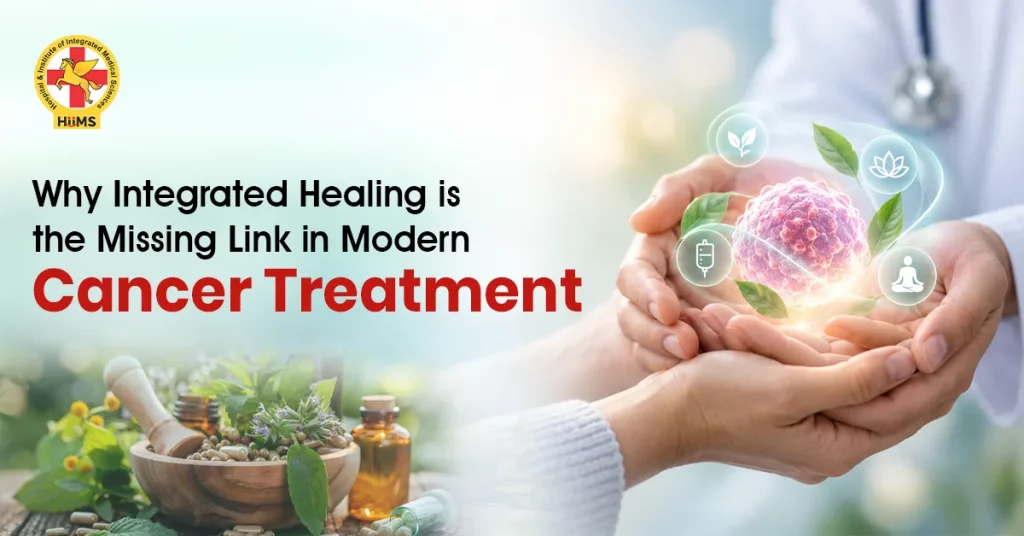
Here comes the concept of integrated healing for cancer that offers a wider scope of looking at the process. A holistic approach incorporates modern-day knowledge about medicine along with other elements
Why Cancer Care Needs to Look Beyond the Disease
A cancer diagnosis can be frightening, but it does not mean that a person has to stop looking after the rest of their health. Along with understanding the disease, it is important to consider the person’s overall condition, treatment needs, and ability to cope with the physical and emotional demands of cancer care.
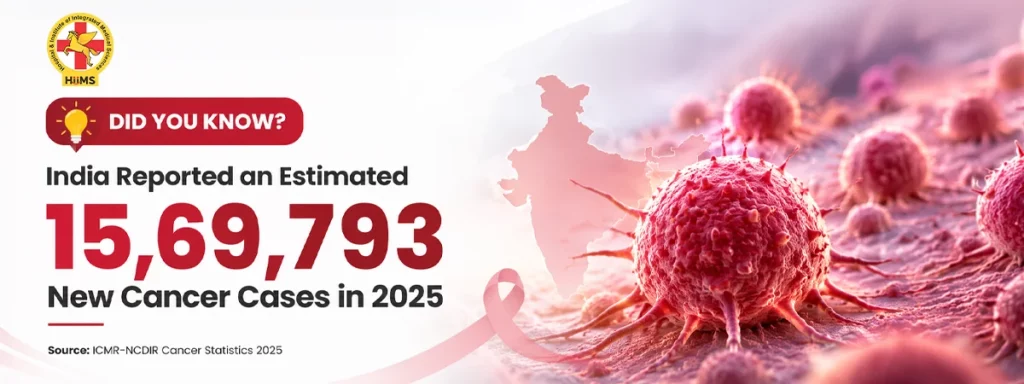
India alone is estimated to have reported 15,69,793 new cases of cancer in 2025. This figure represents people who are experiencing some uncertainty and fear in making vital decisions regarding cancer treatment.
The conventional cancer treatment approach has been evolving through the years and continues to be a significant factor in the treatment of cancer. The treatment approach could depend on the kind of cancer and its stage. However, treatment can also place considerable stress on the body, making nutrition, organ health, strength, and emotional wellbeing important areas of supportive care.
This is where integrated natural healing takes a broader view. HiiMS follows an approach that brings Ayurvedic principles together with modern diagnostic understanding. It also makes a useful distinction between curing a disease and supporting the person’s overall healing environment.
The focus of curing is primarily the disease. Healing, in a broader sense, also considers the person living through it. This can include areas such as immune health, metabolic balance, organ function, nutrition, digestion, and emotional resilience.
Looking at these areas together can help create a more complete approach to cancer care.
Understanding Conventional and Integrated Cancer Care
Cancer care is not based on one treatment for every patient. According to the type of cancer, its stage, and the person’s unique characteristics, the treatment plan may include surgery, radiation, chemotherapy, hormonal therapy, biological therapy, targeted therapy, and immune therapy.
These treatments work in different ways. According to Cleveland Clinic’s cancer treatment guide, common cancer treatments include surgery, radiation, chemotherapy and hormone therapy.
Surgery may be used to remove a tumour. Radiation uses high-energy radiation to damage the DNA of cancer cells. Chemotherapy works against rapidly dividing cells, but because some healthy cells also divide quickly, side effects can occur.
Emerging the strategies like targeted therapy and immunotherapy offer additional possibilities for treatment of cancer. Targeted therapies are created based on molecular abnormalities and signals that play a role in the development of cancer. Immunotherapy aims at stimulating the body’s immune system to identify and fight against cancer cells.
In cases of certain cancers, such as some forms of lung cancer, these therapies become especially relevant in the presence of certain molecular and genetic characteristics. This is one of the reasons why individual identification of the disease becomes critical.
On the other hand, Ayurvedic therapies are based on the traditional approach. Ayurveda pays attention to various aspects, such as digestion, diet, lifestyle, balance inside the body, and its general condition.
Integrated Therapy brings these perspectives together. It does not necessarily mean choosing Ayurveda instead of modern cancer care. Rather than that, it could entail exploring the use of Ayurveda and lifestyle therapy along with proper medical therapy.
Such an extended view becomes especially significant when dealing with lung and liver cancer treatment since the functioning of certain major organs has to be taken care of.
Why Liver and Lung Health Matter During Cancer Treatment
Cancer treatment can be demanding on the body. When the cancer itself affects an important organ, the situation can become even more complex. For this reason, monitoring organ health and providing appropriate supportive care can be an important part of an integrated plan.
How Cancer Treatment Can Affect the Body’s Vital Organs
The liver performs many important functions in the body, including the processing of medicines and other substances. When liver cancer or another condition has already affected the liver, its normal functioning may require closer attention.
Cancer treatment can also affect other organs. For example, radiation involving the chest may affect lung tissue and breathing in some patients. This means that the organ affected by the disease may also need to cope with the effects of treatment.
For patients undergoing lung and liver cancer treatment, regular medical monitoring remains important. Alongside this, supportive strategies can focus on nutrition, rest, breathing, wellbeing and maintaining overall strength.
Kidney health also deserves attention during cancer care. Some cancer treatments and medicines can place additional demands on the kidneys, which is why hydration, appropriate monitoring and communication with the treating healthcare team are important parts of supportive care.
The Role of Ayurvedic Detox in Supportive Cancer Care
Within some integrative oncology approaches, Ayurvedic detox and herbal protocols may be considered as supportive measures. Traditional herbs such as Bhumyamalaki, Kutki and Punarnava may be included depending on an individual’s needs and professional assessment.
These approaches should not be viewed as substitutes for prescribed cancer treatment. Their role, when appropriate, is supportive. They may be considered with the aim of supporting digestion, general wellbeing and healthy liver function while the person is going through a physically demanding period.
Any herb or traditional formulation should be discussed with the treating healthcare team because interactions with cancer medicines are possible.
Key Areas of Support During Lung and Liver Cancer Treatment
A personalised supportive plan may consider areas such as:
- Hepatic detox protocols planned around treatment cycles to support the body’s ability to manage treatment-related stress
- Pulmonary breathing practices such as pranayama to support breathing comfort and respiratory wellbeing
- Anti-inflammatory dietary modifications that may include bitter greens, turmeric and low-glycaemic foods
- Microbiome support through suitable fermented foods and selected probiotics to support gut and liver health
- Structured rest cycles planned around treatment schedules to give the body enough time to recover
No two patients have exactly the same cancer journey. Disease progression, previous treatments, nutritional status, organ function and emotional stress can all be different. Therefore, supportive care should also be personalised rather than following one fixed routine.
The value of multidisciplinary support has also been highlighted in research involving 25 healthcare specialists, including psychologists. The findings pointed towards the importance of multidisciplinary involvement and psychological support during the chronic disease phase of cancer.
It helps validate a broader concept underlying integrated care: patients can gain from an integrated perspective of their care rather than looking at individual parts.
Patients can benefit from support and guidance from healthcare professionals, patient support groups, personal experiences, and trusted cancer blogs. These resources can provide valuable information, encouragement, and a sense of connection throughout the cancer journey. However, you can also consult with a cancer doctor at HiiMS for personalized guidance and support based on your individual needs.

Supporting the Body After Cancer Treatment
The completion of the chemo therapy, radiation or surgery is considered to be a significant event. Nevertheless, completing a regimen of treatment does not guarantee that the person will get back to his/her normal state right away.
The patient may still be struggling with physical effects of undergoing treatment for months. The patients might still suffer from such symptoms as fatigue, appetite problems, digestive problems or psychological difficulties.
According to the American Cancer Society’s cancer survivorship guidance, managing cancer as a chronic illness may involve long term monitoring and supportive care.
Natural restoration can involve several simple but important areas. A balanced diet with whole foods, sufficient protein, vegetables and other nutrient rich foods can support general recovery. Adequate hydration is also important, particularly when treatment has placed additional demands on the kidneys and other organs.
Stress also deserves attention. Gentle movement, breathing exercises, meditation and spending time with supportive people may help a person manage the emotional side of survivorship.
Quality of life should remain part of the conversation as well. In some situations, patients and their healthcare teams may need to discuss whether further interventions remain useful or whether greater attention should be given to comfort, supportive care and the patient’s own priorities.
As Cancer Treatment Centers of America’s survivorship resources highlight, involving patients in decisions and considering appropriate palliative support can be an important part of cancer care.
Recovery, at its most honest definition, is not a destination. It is an ongoing process that may involve nutrition, rest, monitoring, relationships, emotional support and regular reassessment.
A Simple Recovery Checklist for Cancer Survivors
A practical recovery routine may include:
- Following a post-treatment monitoring schedule recommended by your healthcare team
- Choosing balanced, whole-food nutrition according to individual needs
- Maintaining adequate hydration to support general organ health
- Including suitable stress reduction practices such as meditation or gentle yoga
- Staying connected with trusted support groups or a cancer blog community
- Discussing quality of life goals regularly with your physician
- Keeping an eye on liver and kidney health as recommended during follow-up care
Looking at Cancer Care from a Whole Body Perspective
Integrated care combines modern diagnostics with traditional Ayurvedic healing principles, offering a broader way to look at cancer care and recovery.
Different parts of cancer care are closely connected. Cancer treatment can affect organs such as the liver and kidneys. Changes in appetite and digestion can affect nutrition. Emotional stress can make a long treatment journey harder to manage. Rest, movement, and social support can also influence day-to-day well-being.
Organ health deserves attention throughout the cancer journey, not only when a problem appears. The CDC’s cancer survivor resources discuss treatment-related effects involving organs such as the liver, kidneys and heart.
This is one area where Ayurvedic cancer support may be considered as part of an integrated wellness approach. Ayurveda looks beyond the tumour and considers factors such as digestion, lifestyle, nutrition, organ function and individual constitution.
It is not about claiming that Ayurveda can substitute for cancer treatment; rather, depending upon the overall health condition of the individual, the right supportive treatments may be thought of in combination with conventional medicine.
Personalised care is especially important because every patient has a different disease stage, treatment history, nutritional condition, and level of physical strength.
Community and patient stories could also play an important part in the healing process. The emotional well-being of a person is just as crucial as any form of healthcare. It is good to have people who can talk to and provide information.
Cancer care is not just about one intervention. A thoughtful approach may need to consider disease management, supportive care, nutrition, psychological wellbeing, organ health, and long-term recovery together.
Finding the Right Support Throughout Your Cancer Journey
The journey through cancer and chronic illness requires more than a treatment plan. It requires support that looks at the individual beyond the diagnosis.
This is the philosophy behind HiiMS, which presents itself as India’s No. 1 Integrated Health Care Hospital and aims to bring modern healthcare practices together with traditional Ayurvedic science.
Its integrated model does not ask patients to choose exclusively between conventional healthcare and Ayurveda. Instead, it focuses on bringing modern diagnostic understanding together with areas such as diet, herbal formulations, traditional detoxification practices, and lifestyle changes.
The approach is centred on individualisation. Jeena Sikho HiiMS provides the Ayurvedic plans based on factors such as individual constitution, disease stage and treatment history. This reflects a broader approach towards natural healing for chronic disease, while recognising that every person’s needs are different.
Research on integrated, navigator-supported care systems has also reported strong patient usability and experience ratings in complex care settings.
Integrated care is not limited to managing symptoms. It can also pay attention to physical strength, emotional resilience, daily functioning, nutrition, and overall wellbeing.
Ready to explore what an integrated plan could look like for you?
Conclusion
Cancer care is not only about addressing the disease. The body may also need support with nutrition, digestion, organ health, emotional wellbeing, and recovery during and after treatment. Integrated healing for cancer brings these areas together by combining modern medical care with supportive lifestyle practices and Ayurvedic principles.
Ayurveda should not be seen as a replacement for medically advised cancer treatment. Instead, when planned carefully with qualified professionals, it may have a supportive role in a wider care plan. At HiiMS, the focus is on understanding the individual and considering factors such as treatment history, overall health, diet and lifestyle.
If you are exploring supportive options alongside your cancer care, you can consult with HiiMS specialists through VOPD to understand what an individualised integrated plan may look like for you.

FAQs
Q1. What is integrated healing for cancer?
Integrated healing for cancer is a broader approach that combines appropriate modern cancer care with supportive practices such as nutrition, lifestyle guidance, emotional support and selected Ayurvedic approaches. It focuses on the person’s overall well-being rather than looking at the disease alone.
Q2. Is it possible for Ayurveda to replace traditional cancer therapy?
No, Ayurveda can never serve as an alternative to medical treatment for cancer patients. This form of therapy can be used in conjunction with standard treatment when deemed appropriate by the physicians treating the condition.
Q3. What makes the health of the liver so critical in cancer treatment?
The liver is an organ of many functions, such as processing drugs and other substances. Cancer and some therapies put extra pressure on the liver; hence, its condition has to be monitored and taken care of properly during therapy.
Q4. Why should one take care of kidney health during cancer care?
Cancer therapy puts additional stress on kidneys, along with some drugs. Appropriate hydration and medical observation can help doctors monitor the functioning of the kidney during and after therapy.
Q5. What role can nutrition have during cancer recovery?
Nutrition can assist in the improvement of one’s overall condition. The nutritional intake can be based on individual needs but can consist of proper protein intake, vegetable consumption, whole foods, and sufficient hydration.
Disclaimer: The information provided on this blog is for general educational and informational purposes only. It is not intended to replace professional medical advice, diagnosis, or treatment. Always consult a qualified healthcare professional before making any changes to your diet, lifestyle, or treatment plan. Individual results may vary.