
A kidney report often changes long before a person feels anything unusual. Someone might notice mild swelling in the ankles, a bit more tiredness than usual, or a little difference in how often they use the bathroom and simply ignore these as a busy week or poor sleep. It’s only when a routine blood test shows signs of rising creatinine, and that’s how chronic kidney disease enters the discussion.
For many patients at that point, the next question isn’t just “What medication do I need?” but “What else can I do alongside my treatment to support my kidneys.” GRAD therapy for kidney disease is one such supportive program followed at Jeena Sikho HiiMS, built around structured therapies, diet, and lifestyle guidance.
This blog will explain to you what the program involves, how it’s structured, and what patients can realistically expect from it.
What Is GRAD Therapy for Kidney Disease?
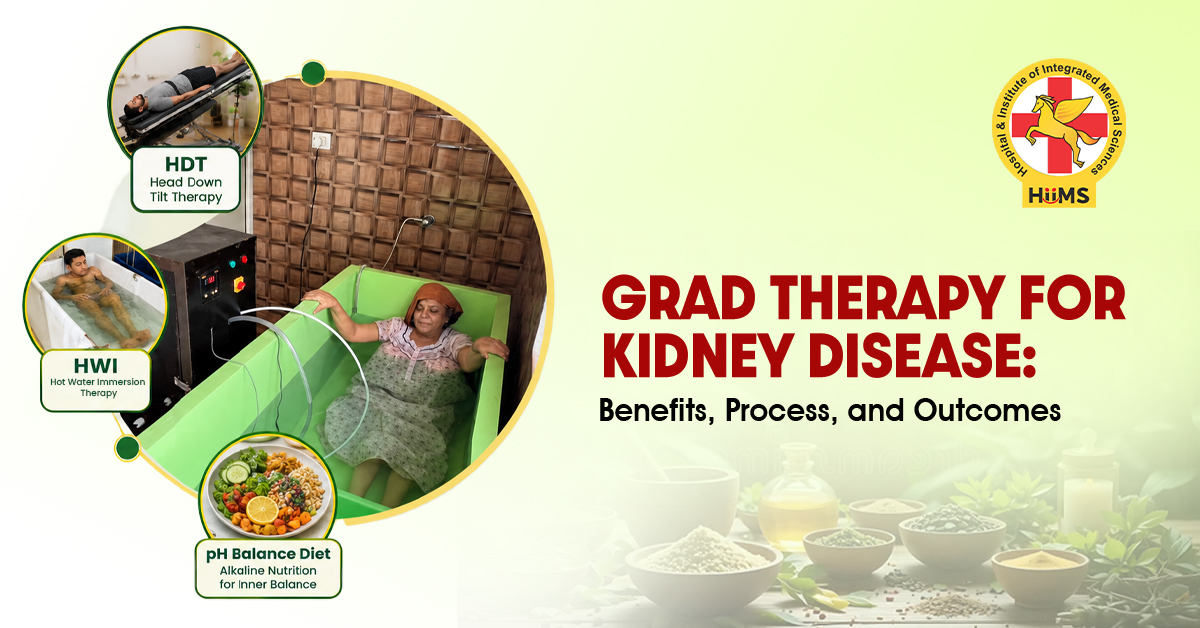
GRAD stands for Gravitational Resistance and Diet. At Jeena Sikho HiiMS, it’s offered as a supervised, structured wellness program rather than a single stand-alone treatment. Instead of relying on one method, it brings together posture-based therapy, warm water sessions, and a supervised eating pattern, with the intent of supporting the body’s general circulation, comfort, and daily well-being during a difficult diagnosis.
The Three Main Parts of GRAD Therapy
Head-Down Tilt Therapy (HDT)
In this procedure, a person reclines on a surface tilted so the head sits slightly lower than or above the rest of the body; basically, it is like 5, 10, and 15 degrees of angle. The idea behind this position is to encourage blood flow toward the upper body and kidneys during the procedure. It is performed only under supervision at the center, with staff monitoring the patient’s comfort, blood pressure, and overall response throughout.
Hot Water Immersion Therapy (HWI)
Here, a patient sits in a warm tub with water up to their neck for a specific time under supervision. The general idea is to remove toxins through sweat, with the skin acting as a “third kidney.” Water temperature and duration are controlled by the therapist, and the therapy session is adjusted based on the patient’s problem and health status.
pH Balance Diet
This is a plant-based eating pattern built around seasonal fruits, vegetables, and simple home-style meals while avoiding processed food, excess salt, and heavy animal protein. Diet plays a genuinely important role in chronic kidney disease treatment, since the kidneys work to filter whatever the body takes in. A lighter, more balanced diet can ease that daily load.
GRAD Therapy Benefits for Kidney Patients
When followed properly and under supervision, patients commonly report:
- A more structured, natural kidney disease treatment-style routine that complements their prescribed care.
- Better awareness of food choices and daily habits.
- Regular monitoring and check-ins as part of the program.
- A treatment plan personalized to their reports and condition.
- A calmer, more supported feeling during a stressful diagnosis.
- Combined Ayurvedic guidance with naturopathy sessions.
Who May Benefit from GRAD Therapy?
This kind of supportive program may interest people managing chronic kidney disease, those noticing rising creatinine on routine tests, or patients who want an additional layer of lifestyle and dietary support. It may also suit people who prefer an Ayurvedic-leaning approach to daily wellness.
What Outcomes Can Patients Expect Over Time?
Every patient’s kidney condition is different, and progress with any supportive program varies from person to person. Consistency is key, as does regular monitoring of reports like creatinine and GFR by the doctor. Some patients report feeling more energetic or noticing better digestion and sleep, alongside greater clarity about food and lifestyle choices.
Why Choose Jeena Sikho HiiMS for Kidney Care?
Jeena Sikho HiiMS offers experienced Ayurvedic doctors, individual treatment planning, and an integrated setup where lifestyle guidance sits alongside regular monitoring.
As the best kidney hospital option for people seeking complementary, supervised wellness support, the hospital encourages every patient to get the proper knowledge and education about their own health.
Conclusion
GRAD therapy for kidney disease brings together structured therapies, dietary guidance, and regular monitoring into one supportive wellness program at Jeena Sikho HiiMS. It is designed to sit alongside standard medical treatment, and outcomes vary from person to person.
If you’re noticing symptoms or have received a CKD diagnosis, then you can opt for a VOPD consultation at Jeena Sikho HiiMS to discuss how a supportive program like this might fit alongside your existing treatment, guided by their expert doctors.

FAQs
Q1: Is GRAD Therapy suitable for every kidney patient?
It depends on the individual’s health condition, stage of kidney disease, and other factors, so a doctor’s evaluation is needed before starting any supportive program.
Q2: What therapies are included in the GRAD System?
It includes head-down tilt therapy, hot water immersion therapy, and the pH balance diet, all followed under healthcare supervision.
Q3: How is the pH-balanced diet connected with kidney care?
It emphasizes plant-based, lightly processed meals that may ease daily dietary load.
Q4: How long does the GRAD treatment process usually continue?
Duration varies by patient and is decided after assessing reports, symptoms, and how the person responds to the program over time.
Q5: Why is regular monitoring important during GRAD therapy?
Ongoing monitoring of reports like creatinine and GFR helps the doctors to track real kidney function inside the body.
Ayurvedic Kidney Care Products
100% natural, certified Ayurvedic formulations crafted for targeted kidney wellness.


Disclaimer: The information provided on this blog is for general educational and informational purposes only. It is not intended to replace professional medical advice, diagnosis, or treatment. Always consult a qualified healthcare professional before making any changes to your diet, lifestyle, or treatment plan. Individual results may vary.