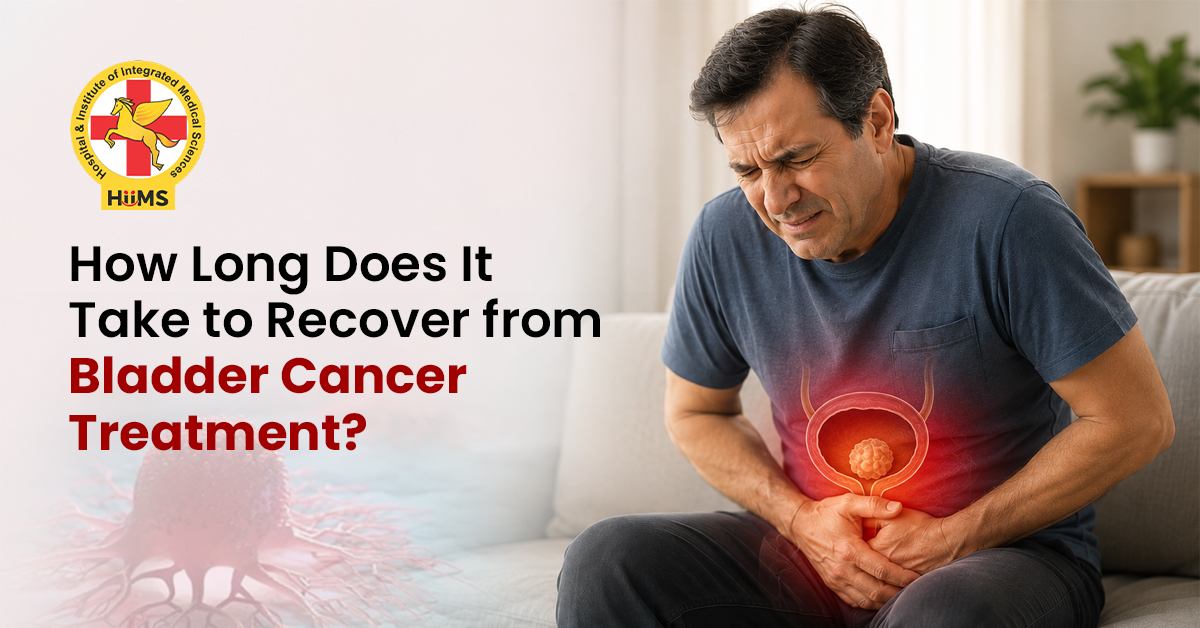

A patient’s standard bladder cancer recovery time usually spans 2 to 4 weeks for minor localised procedures and 6 to 8 weeks for major surgical interventions. However, full energy stabilisation may take up to a year. Complete bladder cancer recovery requires a conscious effort to manage internal tissue inflammation, clear out toxic residues, and actively rebuild a deeply compromised immune defence system.
Finishing a major medical protocol is a huge milestone, but entering the post-treatment phase often brings a wave of unexpected exhaustion. Many individuals find themselves dealing with lingering fatigue, burning sensations during urination, and genuine anxiety about whether their body will ever feel normal again. Real recovery requires actively supporting your tissues as they repair from the inside out. In this blog, we will discuss realistic timelines and how natural supportive care can help you recover.
What Is Bladder Cancer?
Bladder cancer is a health condition where abnormal cells grow uncontrollably in the lining of the bladder. The bladder is the hollow organ in your lower belly area that stores urine.
From a natural health perspective, these cells do not begin multiplying by accident. They thrive in an internal environment that has gradually become highly acidic, low in oxygen, and heavily loaded with accumulated metabolic waste. When the body’s natural filtering organs face long-term stress, poor nutrition, or chemical overloads, toxic waste settles heavily in the pelvic region, weakening local cell networks and disturbing the behaviour of healthy tissue.
The Bladder Cancer Recovery Timeline: Stage by Stage
Recovery time depends entirely on how soon a person gets medical treatment. The healing process can be broken into manageable phases that help set clear, practical expectations:
Early Phase (Weeks 1 to 4): For those who have had a minor procedure through the urethra, tissues heal in about a month. The body’s focus is on closing surface wounds in the bladder lining.
Intermediate Phase (Months 1 to 3): For extensive procedures, such as healing after bladder cancer surgery, where parts of the tissue are modified or removed, deep abdominal healing takes several months. This is when internal stitches dissolve, and the urinary pathways adjust to their new structure.
Long-Term Phase (6 Months to 1 Year): This is the systemic phase. Surgical wounds close early, but your cellular energy levels, gut health, and immune system strength can take up to a year to stabilise and return to baseline.
Common Challenges and After-Effects
Within this time frame, patients often experience severe bladder cancer treatment side effects that can affect their daily progress. Common side effects include:
- Severe painful bladder spasms, like sharp and unpredictable cramps.
- Continuous burning and bleeding while urinating.
- Severe, persistent tiredness that doesn’t improve with normal rest.
- Stress from heavy medication sometimes results in a bad appetite and a heavily damaged digestive system.
Knowing these problems helps you realise that your body needs active rehabilitation, not just passively waiting to overcome these uncomfortable symptoms.
Who to Approach for Advanced Rehabilitation?
When looking for the right supportive care to navigate this timeline, it is vital to trust experts who understand how to balance natural sciences with clinical patient monitoring. Jeena Sikho HiiMS is an Ayurvedic healthcare institute dedicated to bridging ancient natural detoxification methods with scientific health monitoring.
HiiMS Jeena Sikho provides a safe and peaceful hospital environment to follow the structured recovery protocols under the physician’s guidance. The doctors will analyse your specific body type, lifestyle habits and current medical state to develop a custom roadmap that helps you reduce post-treatment friction and rebuild your health safely.
What Treatments and Therapies Does HiiMS Perform for Bladder Cancer Recovery?
At HiiMS, a multi-dimensional approach is used to accelerate your bladder cancer rehabilitation and restore your baseline vitality.
Panchakarma
Detoxification therapies, such as Virechana (liver and gut cleansing) and Basti (herbal oil enemas), are used to safely draw out deep-seated metabolic waste from your tissues. This relaxes the nervous system and soothes the irritated urinary bladder lining.
Golden Therapy
This specialised therapy uses a thick paste made from medicinal leaves and roots (including neem, peepal, karela, raw turmeric, etc.). Spread onto a wide vessel, the patient gently churns the paste using the naked soles of their feet for 40 minutes. The active herbal juices are absorbed directly through skin receptors, triggering deep pelvic detoxification.
Live Cancer Detox Juices & Herbs
Patients are given freshly extracted, anti-inflammatory plant juices packed with active living enzymes that act as a natural rinse for the urinary tract. Potent Ayurvedic herbs like punarnava (renews the kidneys) and varun (clears urinary blockages) are used to protect kidney function and strengthen bladder tissues.
pH-Balanced Diet and Lifestyle
Jeena Sikho HiiMS implements a pH-balanced diet based on raw plants that neutralises tissue acidity, reducing the burning sensation during urination and stopping abnormal cell activity. This nutritional shift is paired with Pranayama (breathing exercises like Anulom Vilom) and yoga. These deep breathing routines significantly increase oxygen delivery to pelvic tissues, calm the nervous system, and accelerate cellular repair.
Real Stories of Hope: HiiMS Victories
The HiiMS protocol is real, and it is evident in the lives of real patients who had lost all hope. Many people come to HiiMS feeling totally exhausted and extremely weak after undergoing repeated clinical procedures.
With the addition of HiiMS supportive therapies, specialised juices, and a pH-balanced diet to their routine, these patients experienced a massive turnaround. Within a few weeks, the painful bladder spasms diminished, and natural appetite and energy levels returned. These inspiring success stories prove that with the right natural therapies to support the body, it is possible to overcome the dark aftermath of chronic illness and look forward to a healthy life after bladder cancer treatment.
Conclusion
True bladder cancer recovery is about changing the internal environment of your body. By actively combining lifestyle reboots with deep, supportive healing power, you give your body its maximum strength back.
If you want to break free from chronic post-treatment weakness and rebuild your health from the root, visit your nearest HiiMS centre today. Or you can also easily connect with senior specialists from the comfort of your home through the HiiMS VOPD (video consultation) for a customised recovery plan.

Frequently Asked Questions
Q1. Can Ayurvedic therapies be taken safely during the bladder recovery period?
Gentle, non-invasive therapies like detox juices, specific herbs, and natural therapies act as supportive care to reduce tissue inflammation without interfering with your ongoing medical requirements.
Q2. How does Golden Therapy assist in post-surgery healing?
By absorbing healing herbs directly through the soles of the feet, Golden Therapy purifies the bloodstream and pelvic area without putting any digestive strain on a weak stomach.
Q3. Why is a pH-balanced diet highly recommended during bladder cancer rehabilitation?
Shifting to an alkaline, pH-balanced diet based on raw plants neutralises tissue acidity, reducing the burning sensation during urination and stopping abnormal cell activity.
Q4. How does practising Pranayama help in bladder recovery?
Pranayama fills the body with fresh oxygen, which reduces deep tissue inflammation, relieves painful bladder spasms, and lowers chronic stress levels.
Q5. Does HiiMS guide patients who cannot travel to the hospital?
Yes. Through the HiiMS VOPD program, patients can share their medical reports and video-consult with senior doctors to receive a complete, step-by-step diet, herb, and lifestyle chart at home.
Ayurvedic Cancer Care Products
100% natural, certified Ayurvedic formulations crafted for targeted cancer wellness.


Disclaimer: The information provided on this blog is for general educational and informational purposes only. It is not intended to replace professional medical advice, diagnosis, or treatment. Always consult a qualified healthcare professional before making any changes to your diet, lifestyle, or treatment plan. Individual results may vary.