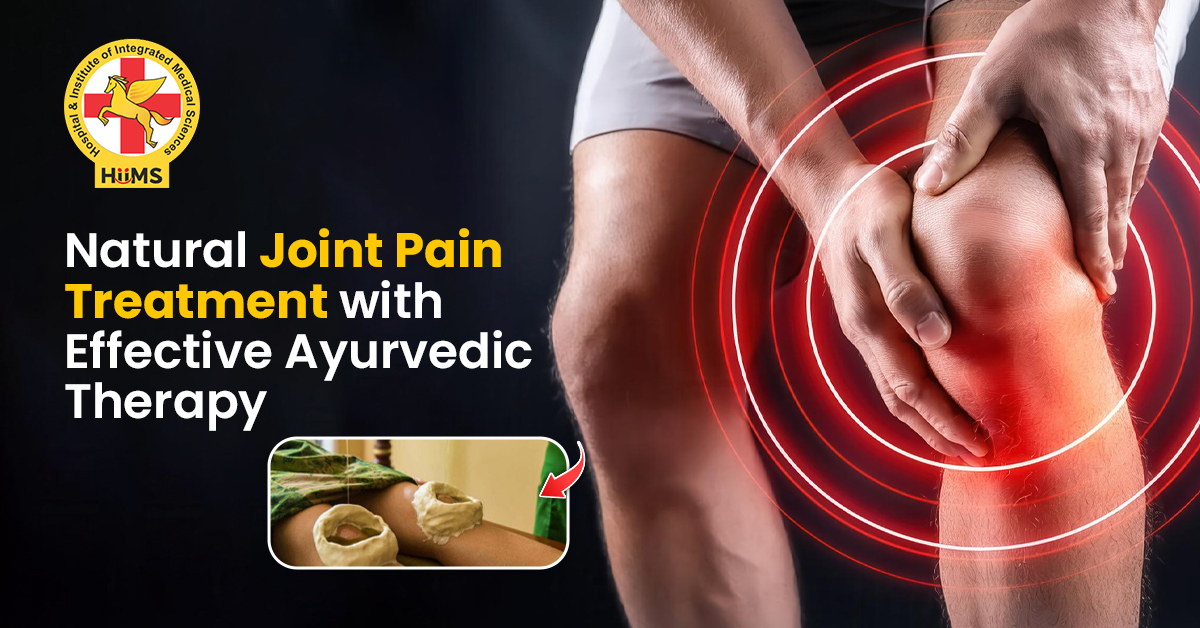

For many of us, joint pain is something we first notice in our grandparents or older family members. You see them pause before getting up, hold onto something for support, or avoid much movement.
At first, it doesn’t seem serious. Just age, you think. But slowly, it starts affecting everyday life, like walking, sitting, and even sleeping. And somewhere along the way, similar stiffness can begin showing up in your body, too.
Joint pain isn’t just about age. It’s often the body asking for attention. In this blog, we’ll explore natural joint pain treatment, how Ayurveda looks at joint health, and what is truly effective over time.
Understanding Joint Pain
Usually, joint pain starts with small signs like stiffness, pain, or trouble moving. It can happen in the knees, back, neck, or other parts of the body.
For some people, it comes with age. For others, it builds slowly because of lifestyle, like long sitting hours, lack of movement, or daily strain. That’s why the focus shouldn’t just be on quick relief but on the right kind of joint pain treatment.
Natural Joint Pain Treatment: How Healing Actually Works
Pain is usually the last thing the body shows. Before that, there’s stiffness, tightness, or a feeling that movement isn’t as effortless as before.
Natural joint pain treatment doesn’t try to shut the pain down instantly. It focuses on what’s been building underneath, reduced movement, imbalance, and strain over time. This kind of joint pain therapy may not feel quick, but it feels steady. While many people seek a quick solution for joint pain relief treatment, true and lasting results come from consistency.
That’s why natural methods such as Ayurvedic therapies are often considered the best treatment for joint pain because they support the body.
Ayurvedic Therapy for Joint Pain: A More Natural Way to Support Joints
Ayurvedic therapy for joint pain doesn’t follow a fixed pattern. It looks at where the discomfort is and what your body actually needs. At places like Jeena Sikho Hiims, these therapies are done with proper guidance.
Some of the commonly used therapies include:
Janu Basti (knee joint pain treatment):
Warm medicated oil is gently held around the knee area. It helps ease stiffness and makes movements feel a little more comfortable over time.
Kati Basti:
This treatment is for the lower back. Warm oil is kept over that area, and it helps with the constant tightness you feel, especially if you sit a lot or have strain.
Greeva Basti:
Focuses on the neck. If your neck feels stiff from long screen time or bad posture, this technique helps relax it and takes away that “stuck” feeling.
Prishtha Basti:
Done on the back and spine. It helps release that heavy, tight feeling and moves a bit more easily.
Janu Pichu:
A cloth soaked in medicated oil is placed on the joint. It feels soothing and helps with joint pain.
Patra Potli Swedan:
Warm herbal pouches are pressed over the body. It feels relaxing, and over time, it helps loosen up the muscles.
Agni Karma:
This technique is used in some cases where deeper relief is needed. Heat is given on specific points, done carefully under expert guidance.
What makes these therapies different is that they’re not about quick relief. They’re done in a way that gives your body time to respond.
What You Do Daily Matters More Than You Think (Ayurvedic Approach)
In Ayurveda, daily habits are not separate from treatment; they are part of it. These small habits are what actually change how your body feels.
Diet (Aahar):
Eat fresh fruits, vegetables, and freshly home-cooked food. Try to avoid processed items so digestion doesn’t feel heavy.
Movement:
A little yoga or stretching can really help keep the joints from getting stiff.
Herbal support:
Turmeric is often used for swelling and discomfort. Ashwagandha is used to help the body recover and stay stronger. Guggulu is used as a herbal treatment for joint pain.
Routine:
Consistent small habits daily slowly add up and help the body feel better over time.
Panchakarma (Detox)
Sometimes the body needs more than routine care, it needs a deeper reset.
At Jeena Sikho HiiMS, we use Panchakarma as a guided Ayurvedic detox process. It helps to gently remove accumulated toxins (ama) and restore internal balance. Ayurveda believes health is a balance of the Vata, Pitta and Kapha doshas and when they are out of balance, Panchakarma is used to restore the energies to balance.
It is a structured five-step process, Vamana, Virechana, Basti, Nasya and Raktamokshana which cleanses in its own way. The aim is not only to detox but also to make the body feel lighter, clearer and more naturally balanced from within.
What You May Start Noticing Over Time
The change isn’t sudden, but it’s real. At first, you feel a little less stiff. Movement feels slightly easier.
Then gradually:
- Discomfort reduces
- Flexibility improves
- Your body feels lighter and more comfortable
Conclusion
Joint pain appears gradually, and healing works the same way.
Joint pain treatment is not really about quick fixes. It’s more about listening to your body, understanding what it needs, and supporting it gently and regularly over time.
If joint pain has been part of your life for a while, it may be time to take it seriously. You don’t have to figure it out alone. With Jeena Sikho Hiims VOPD (video consultation), you can easily connect with experts from home and get a clearer understanding of what’s actually right for you.
When you take the right step at the right time, even small changes can slowly start making a real difference in how you feel.

FAQs
1. How does joint pain usually begin?
It often starts with small signs like stiffness or slight discomfort that slowly become more noticeable.
2. Is joint pain only related to age?
It can show up with age, but lifestyle habits like long sitting hours or lack of movement also play a role.
3. How do Ayurvedic therapies help joints?
They use targeted techniques like warm oil treatments to ease stiffness and support movement gradually.
4. What is Panchakarma, and how does it help?
It’s a detox process that helps the body clear built-up toxins and feel more balanced from within.
5. What kind of changes can be noticed over time?
Movement may feel easier, stiffness can be reduced, and the body starts feeling lighter.
Disclaimer: The information provided on this blog is for general educational and informational purposes only. It is not intended to replace professional medical advice, diagnosis, or treatment. Always consult a qualified healthcare professional before making any changes to your diet, lifestyle, or treatment plan. Individual results may vary.