
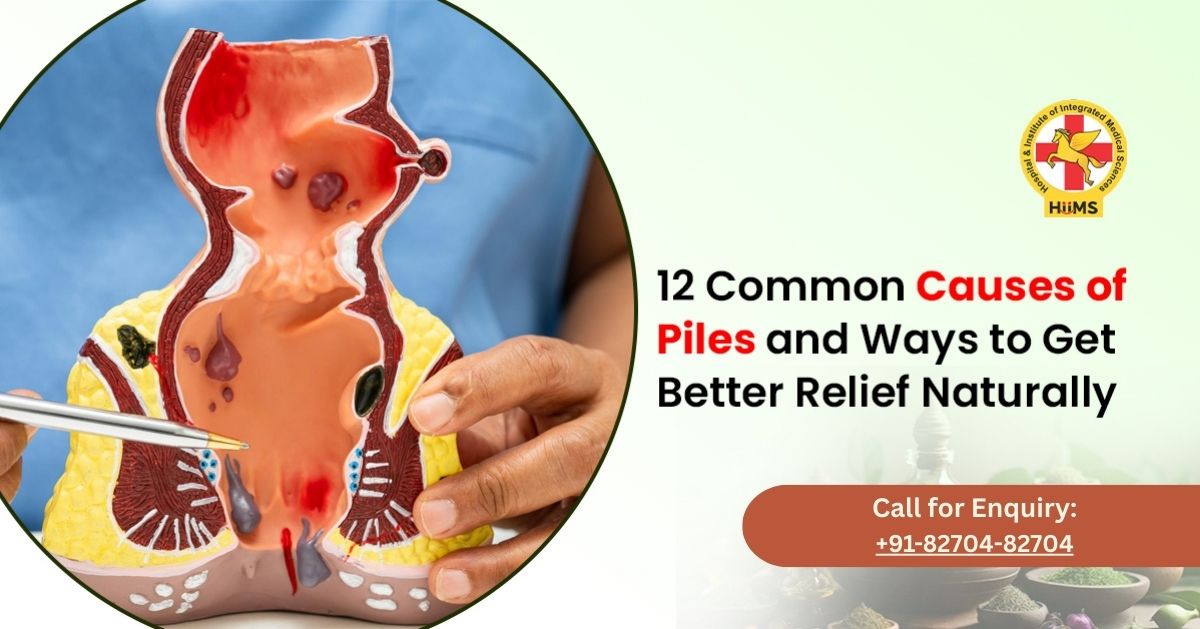
Piles, or hemorrhoids, are basically swollen veins in the rectum and anus, and they can cause pain, itching, or just a feeling of discomfort. Many people in Navi Mumbai experience this, but most keep it to themselves. Sometimes piles start slowly and you don’t even notice the early signs. Small daily habits, like sitting too long, straining while passing stool, or eating less fibre, can quietly cause this problem over time.
Knowing the 12 common causes of piles helps you understand why it happens. Once you know the reasons, you can make small changes in your routine, which may help prevent discomfort or stop it from getting worse. Drinking enough water, walking a bit, or adjusting diet can all make a difference. Understanding the causes is the first step in managing piles naturally and more comfortably.
The 12 Common Causes of Piles
Here are the main reasons piles can happen, explained in simple words.
1. Chronic Constipation
When stools are hard or infrequent, you may need to push a lot. This puts pressure on the veins in the bottom area and they can swell. If you sit too long on the toilet, it can add pressure, and straining again and again may cause piles.
2. Straining During Bowel Movements
Even when stools are soft, pushing too much can cause piles. This can happen if you lift heavy things, cough often, or during pregnancy. The veins in the rectum get stressed and may swell slowly.
3. Diarrhea and Frequent Bowel Movements
Passing loose stools repeatedly can irritate veins, and wiping too much or having sour stools can increase swelling. Sometimes people notice itching or mild pain because of this.
4. Prolonged Sitting or Standing
Sitting or standing for many hours without breaks increases pressure in rectal veins. Blood may pool and veins swell over time. Office workers or people who travel long distances in Navi Mumbai Hospital often face this problem.
5. Obesity and Overweight
When you have belly fat, it pushes on the veins in your lower body. Slow blood flow and extra strain can make veins swell. Low physical activity and irregular eating habits can add to the risk.
6. Pregnancy
Pregnancy can make the uterus press on veins in the lower abdomen and cause swelling. Hormonal changes also make vein walls softer. Constipation during pregnancy—due to iron supplements or changes in hormones—can add extra strain, which may lead to piles.
7. Aging
As people get older, the tissues supporting veins weaken. Veins lose elasticity, making swelling more likely. Slower digestion and occasional constipation in older adults also increase the chance of piles.
8. Genetic Predisposition
Inherited weak veins or slow digestion sometimes make piles more likely in families. If your parents had piles, you may be more prone to it. Minor adjustments in lifestyle can help decrease the risk of developing piles.
9. Heavy Lifting
If you lift heavy things often, it puts extra pressure on your stomach area. This stress can cause rectal veins to swell, so care should be taken during lifting.
10. Low-Fiber Diet
A low-fibre diet can lead to hard stools, making bowel movements difficult. Straining increases pressure on rectal veins and may contribute to piles. Processed foods, typically low in fibre, can aggravate this problem.
11. Anal Intercourse
Anal intercourse can put direct pressure on veins. Frequent or rough activity may make veins swell. This is less common than diet or constipation issues but still a reason in some cases.
12. Excessive Use of Laxatives
Overusing laxatives may compromise natural bowel muscle strength, leading to increased straining during defecation, which can put stress on rectal veins and contribute to piles gradually.
Ayurvedic Relief Options
For people looking for natural solutions, ayurvedic Piles treatments are often helpful:
- Basti Therapy (Medicated Enema) – Oils or herbal liquids are gently introduced via enema. This procedure aids colon lubrication, facilitates easier bowel movements, and soothes irritation in the rectal area.
- Kshar Sutra Therapy – A medicated thread is applied to the pile. Over time, the pile shrinks naturally. Recovery is usually smoother and less painful.
- Herbal Remedies & Internal Medicines – Herbs like Triphala and Haritaki make digestion better and can calm swelling and irritation.
People in Navi Mumbai looking for a piles doctor often consult Ayurvedic hospitals to get guidance on these treatments and personalized care.
Conclusion
Take time to understand the 12 common causes of piles. Simple adjustments in food, water, and lifestyle can bring gradual improvement.
At Jeena Sikho HiiMS in Navi Mumbai Hospital, Ayurvedic therapies like Basti Therapy, Kshar Sutra, and herbal medicines are offered to help people manage piles naturally. These methods focus on easing discomfort and supporting bowel habits in a gentle way. If you are wondering how to treat piles or want guidance from a piles doctor in Navi Mumbai, it is better to consult early.
For personalized consultation and expert support, contact Jeena Sikho HiiMS Navi Mumbai at +91 82704-82704. Early attention can make daily life easier and prevent worsening of symptoms.

FAQ
- What is the most common reason for piles?
Chronic constipation and straining during bowel movements. - Can lifestyle habits increase pile risk?
Long hours of sitting, lifting heavy weights, and eating a low-fibre diet can all increase the risk of piles. - Does pregnancy affect piles?
Yes, pressure from the uterus and hormonal changes can cause piles. - Can piles run in families?
Yes, weak vein walls or slower digestion can be inherited. - How does diet affect piles?
Low-fibre foods make stools hard, causing more straining and swelling of veins.
