

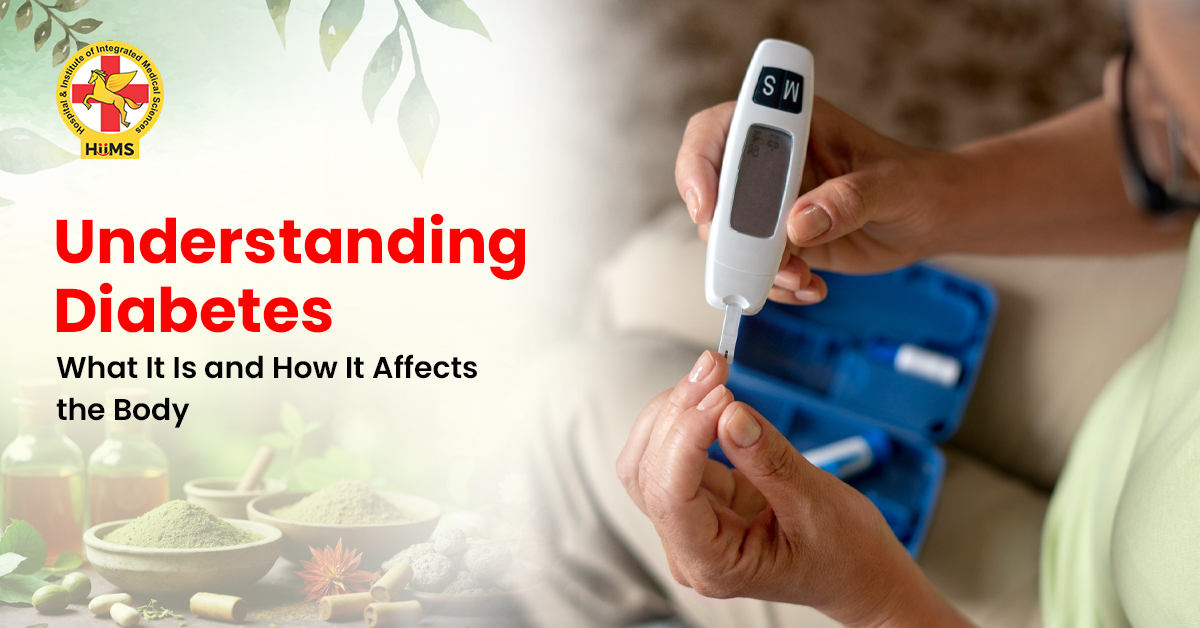
Some health problems don’t come with difficulties; instead, they settle in quietly, becoming part of our everyday routine before we even realise something has shifted. Diabetes is one such condition that has become more common than we realise, not only in India but across the world. Many people hear the word and instantly think of high blood sugar, but the story runs a little deeper.
Our habits, long sitting hours, stress that doesn’t end, and irregular meals all quietly shape the way our body handles sugar. And slowly, without much noise, the balance starts shifting. Some people notice early signs, while others may live for years without knowing anything is wrong. Today, more families are becoming aware of the importance of understanding how the body works. When we know what affects our health, we respond better, and we can avoid complications before they grow.
In this blog, we’ll guide you through what diabetes actually means, how it begins, the early signs, common types, and how natural methods like Ayurveda can support long-term management in a simple and wholesome way.
What Exactly Is Diabetes?
The body uses sugar from food to create energy. This sugar travels in the blood, and a hormone called insulin helps move it into the cells. When this rhythm works smoothly, the body feels steady and active. But when insulin is low or the body stops using it efficiently, the sugar stays in the blood. Over time, this raised blood sugar begins to affect different organs.
Normal sugar levels keep the body balanced, but raised levels slowly disturb nerves, vessels, and metabolism, creating health concerns.
How Diabetes Develops in the Body
When insulin drops or the cells stop responding, the sugar circulating in the bloodstream increases. Instead of reaching the cells, it floats around and starts affecting various systems. Slowly, this extra sugar sticks to blood vessels, making them narrow and stiff. Nerves lose their nourishment, and organs like the eyes, kidneys, and heart begin to feel the strain. With long-term imbalance, the risks only increase, especially when the condition goes unnoticed.
Types of Diabetes
1. Type 1 Diabetes
In type 1 diabetes, the immune system mistakenly attacks the cells that make insulin. It is mostly seen in younger individuals, though it can appear at any age. Early signs may include sudden tiredness, frequent urination, or rapid weight loss. While the exact trigger isn’t fully understood, genetics and immune reactions play a major role.
2. Type 2 Diabetes
This is the most common form worldwide. Over time, the body becomes resistant to insulin, meaning it doesn’t work the way it should. Lifestyle, long sitting hours, weight issues, and food habits often contribute. Type 2 diabetes symptoms may stay mild for years, which is why many people detect it late.
3. Gestational Diabetes
This form appears during pregnancy because hormonal changes increase resistance to insulin. Many women have no clear symptoms; however, it may increase future risk for both mother and child. Gestational diabetes symptoms may be very subtle or completely silent.
Common Symptoms of Diabetes to Notice Early
Some people notice thirst, tiredness, frequent urination, or blurry vision. These are common symptoms of diabetes.
Type 1 Diabetes Symptoms
People may see quick weight changes, unusual hunger, or fatigue. Sometimes nausea and unpleasant breath also appear.
Type 2 Diabetes Symptoms
These signs grow slowly, like dark patches on the neck, slow healing, or repeated infections.
Gestational Diabetes Symptoms
Most women don’t feel much, but signs like tiredness or blurred vision may show up during pregnancy screening.
A silent pattern can also exist for years without any noticeable symptoms.
What Causes Diabetes? A Simple Explanation
1. Causes of Type 1 Diabetes
The immune system overreacts and destroys insulin cells. Genetics and unknown triggers remain major contributors to the question of what causes type 1 diabetes.
2. What Causes Type 2 Diabetes
Lifestyle habits, stress, lack of activity, and family history are common reasons behind the question of what causes type 2 diabetes. Food choices and excess weight also play a strong role.
3. What Causes Gestational Diabetes
Hormonal changes during pregnancy disrupt or increase insulin function, raising the question of what causes gestational diabetes. Women with a family history may face higher chances.
4. Other Possible Causes of Diabetes
Pancreatic concerns, hormonal issues, certain medicines, and long-term stress may also add to the causes of diabetes.
How Diabetes Affects the Body Over Time
Impact on Heart and Blood Vessels
Raised sugar damages vessel walls, creating a higher risk of heart issues later.
Nerve Damage
Tingling, numbness, and slow healing appear as nerves weaken, especially in the feet.
Kidney Health Issues
High sugar puts pressure on kidney filters, causing long-term damage.
Eyes and Vision
Blurred vision and retinopathy occur as delicate blood vessels in the eyes get affected.
Feet and Skin Concerns
Cuts heal slowly, and infections may spread because oxygen supply reduces.
Drop in Blood Sugar (What Is Low Blood Sugar?)
Sometimes sugar falls too low, creating shaking, sweating, or confusion. This is what is low blood sugar, and it needs quick attention.
How Diabetes Is Diagnosed
Modern diagnosis includes fasting blood sugar, random tests, HbA1c, and pregnancy screening. These help identify sugar imbalances early, even when no clear symptoms are visible.
Natural Approaches for Managing Diabetes
In Ayurveda, the focus is on strengthening digestion, metabolism, and daily routine. With personalised plans, herbs, mindful eating, and detox therapies like Panchakarma (when suitable), the body slowly regains balance. At Jeena Sikho HiiMS Vadodara, guidance is based on body type, lifestyle, and long-term stability rather than instant changes.
How Jeena Sikho HiiMS Vadodara Supports Individuals with Diabetes
At HiiMS Jeena Sikho Vadodara, the approach combines assessment, lifestyle alignment, natural and holistic routines, and personalised diabetes treatment. Patients receive practical guidance for long-term balance.
Conclusion
Understanding Diabetes early gives you the power to respond before complications begin taking shape. When we learn how the body works, it becomes easier to adjust our routine, our eating pattern, and the way we handle stress.
With the right awareness, simple steps, and natural guidance, the journey becomes smoother and less overwhelming. Staying alert about early signs, going for timely checks, and making small lifestyle changes can bring long-term stability.
For guidance and natural support, connect with Jeena Sikho HiiMS Vadodara at +91 77839-77839 or email care@jeenasikho.com.
FAQs
1. What are the early symptoms of diabetes that many people overlook?
Ans. Mild thirst, tiredness, or slow healing are early symptoms of diabetes that often go unnoticed.
2. What is the difference between type 1 and type 2 diabetes symptoms?
Ans. Type 1 diabetes symptoms appear suddenly, while type 2 diabetes symptoms develop slowly over the years.
3. How do gestational diabetes symptoms appear during pregnancy?
Ans. Most gestational diabetes symptoms stay silent and are usually detected in routine checks.
4. What causes diabetes to progress faster in some people?
Ans. Lifestyle choices, stress, and genetic tendencies influence the causes of diabetes and how quickly it advances.
5. What is low blood sugar, and why does it happen?
Ans. Understanding what is low blood sugar helps identify sudden drops caused by skipped meals or heavy activity.