
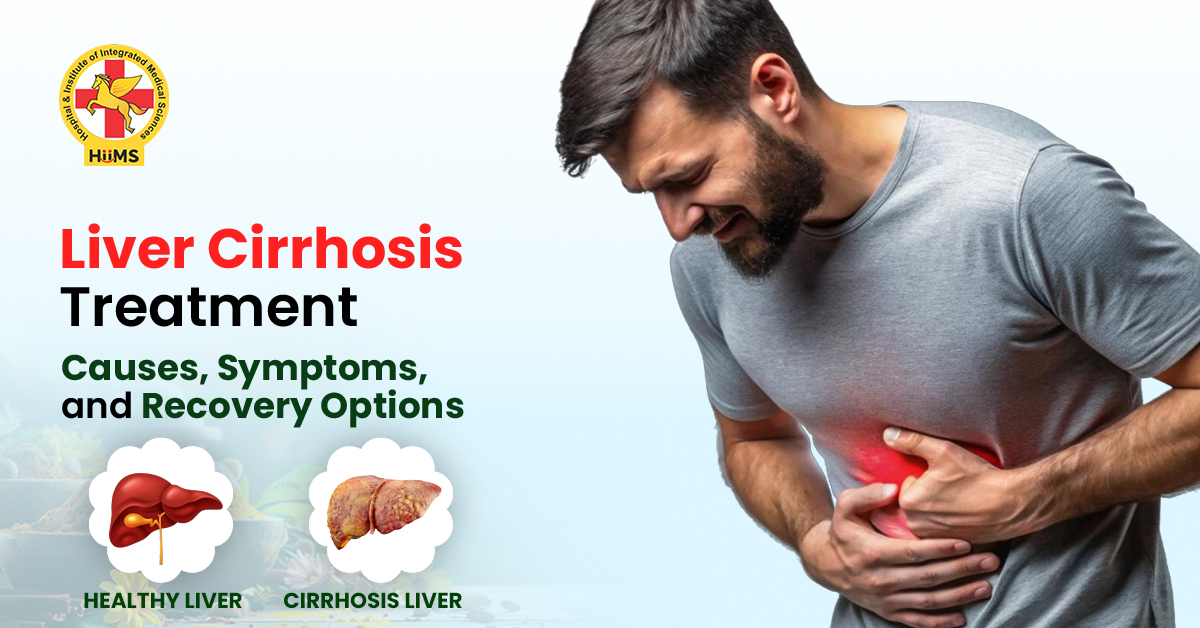
Liver cirrhosis affects approximately 1-2% of the global population, a figure that may seem modest but represents a significant number of families dealing with its impact. Cirrhosis involves the gradual, persistent damage of liver tissue, where healthy cells are replaced by scar tissue, impairing the organ’s normal function. Early stages are often subtle and asymptomatic, making the condition difficult to detect.
Liver cirrhosis treatment is rarely something people explore casually-it usually becomes a concern when health issues start to disrupt daily life. Most folks ignore the early warnings – the tiredness, the bloating, the odd appetite swings – because life is busy and who has time to worry about everything? But this disease doesn’t wait. It keeps moving.
So this blog is more like someone tapping your shoulder, saying, “Hey, pay attention to your liver, it works harder than you think.”
What Is Liver Cirrhosis?
There could be multiple causes of cirrhosis, although alcohol plays a major role. Chronic viral infections like hepatitis B or C slowly eat away at liver cells. Then there’s fatty liver disease, something surprisingly common today because of modern diets and stress. Autoimmune conditions, long-term drug use, even genetic issues-all contribute.
The tricky part is this: people assume liver problems show up loudly, but they don’t. They whisper first. And by the time liver cirrhosis treatment is needed, damage may already be significant. That’s why understanding causes isn’t just medical talk – it’s basic self-care.
Causes of Liver Cirrhosis
- Excessive alcohol consumption
- Chronic viral infections (hepatitis B, C)
- Fatty liver disease due to diet and lifestyle
- Autoimmune conditions
- Long-term drug use
- Genetic predispositions
Symptoms of Liver Cirrhosis
Early Symptoms
- Fatigue
- Swelling around ankles
- Loss of appetite
- Bloating
Symptoms in Women
- Irregular periods
- Intense fatigue
- Changes in skin texture
Advanced Symptoms
- Yellowing of eyes (jaundice)
- Itching
- Mental fogginess
- Dark urine
- Frequent infections
Symptoms can appear inconsistently, so everyday awareness is helpful.
Liver Cirrhosis Treatment Options
Liver cirrhosis treatment varies depending on the stage of the disease. Doctors focus on managing damage, preventing complications, and supporting liver function. Options include:
- Medicines to reduce inflammation
- Managing viral infections
- Diet changes
- Avoiding alcohol
- Addressing swelling, infections, or bleeding
- Ayurvedic support for detox, digestion, and liver rejuvenation
Ayurvedic Approach to Liver Cirrhosis
In Ayurvedic texts, the liver is called Yakrit. Problems like cirrhosis are linked with an imbalance in Pitta dosha, sometimes along with Kapha and Vata. Weak Agni allows harmful residues to accumulate in the body, which later leads to scarring and poor functioning of the liver. Through diet, herbs, and therapies, Ayurvedic treatment for liver cirrhosis works to harmonize the doshas, cleanse impurities, and support the natural healing of liver tissue.
Natural Care Methods in Ayurveda
Herbs That Support Liver Health
Ayurveda highlights the power of herbs for natural care:
- Kutki – helps digestion and protects liver tissue
- Kalmegh – supports bile flow and eases liver strain
- Bhumi Amla – traditionally known to safeguard liver health
- Giloy – builds endurance and protects against infections
- Turmeric – reduces internal heat and supports natural cleansing
Herbs work gently and supportively, but it is always wise to take them under the guidance of an experienced Ayurvedic practitioner.
Panchakarma Therapies
- Virechana – a gentle herbal cleansing that reduces excess Pitta and eases liver strain
- Basti – medicated enema therapy that balances Vata and supports proper liver–colon connection
- Vamana – a controlled detox method to clear out deep-seated toxins from the stomach region
- Nasya – administration of herbal oils through the nose to improve circulation and remove impurities from the head area
- Raktamokshana – a safe blood purification method used to release toxins and reduce pressure on the liver
Diet and Herbal Nutrition
Light foods, seasonal fruits, and bitter vegetables are preferred. Taking small sips of warm water frequently helps the liver function smoothly. Avoid processed, oily, and excessively spicy items for optimal recovery.
Lifestyle Practices
Yoga, meditation, proper rest, avoiding late-night meals, and reducing mobile or screen time create a better environment for recovery and support liver cirrhosis treatment naturally.
Conclusion
Cirrhosis may sound intimidating, but it’s not the end of hope. Most people improve when they take consistent care and get proper guidance. Life becomes simpler when your liver isn’t fighting alone.
Listen to your body, don’t ignore small signs, and give yourself the chance to heal steadily, patiently, and with a bit of kindness toward your own health.Liver cirrhosis treatment isn’t just medical protocols; it’s a mix of awareness, early detection, steady habits, and emotional courage.
If you or someone you care about is experiencing unclear digestive issues, fatigue, bloating, or any liver-related symptoms, don’t wait for things to get worse. Book a consultation today and get guidance that actually understands your body’s rhythm.

About the Author
Dr. Niteshwari has been working with Ayurveda for about five years now. She mostly sees people dealing with liver problems like cirrhosis or fatty liver. She mixes traditional methods with practical tips that actually fit into day-to-day life. Along with liver conditions, she also treats digestive issues, hormonal imbalances, stress-related disorders, and chronic inflammation – always with a calm, compassionate style that patients appreciate.
FAQs
Q1. What is the earliest sign of liver cirrhosis?
A: Usually persistent fatigue and unexplained weakness are the first noticeable signs.
Q2. Can cirrhosis be reversed in early stages?
A: If liver damage is caught early, it’s often possible to slow it down and improve how the liver works through the right treatment and changes in daily habits.
Q3. How long does treatment usually take?
A: Treatment is ongoing, as cirrhosis requires long-term management rather than a quick cure.
Q4. Is alcohol completely off-limits during recovery?
A: Yes, even small amounts of alcohol can worsen liver damage and must be avoided.
Q5. Which diet helps the liver heal faster?
A: A low-salt, balanced, fresh-food diet with minimal processed fats supports liver healing best.