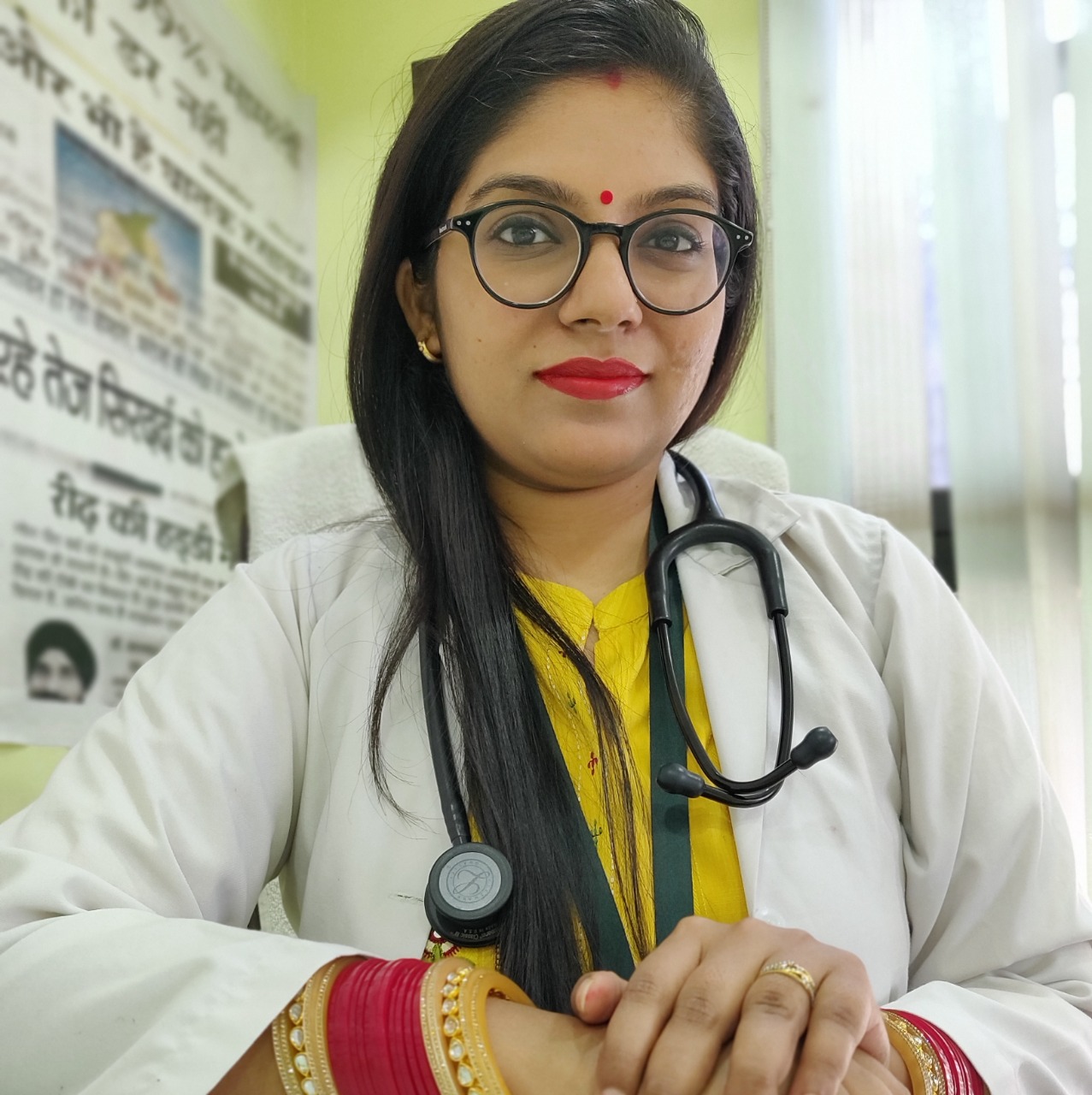


Living with diabetes isn’t just about watching numbers on a device; it slowly shapes how a person eats, sleeps, moves, and plans each day. When people look for steady and dependable Diabetes treatment, they often want something that supports long-term health rather than short, temporary fixes.
At Jeena Sikho HiiMS Panchkula, the approach to care stays rooted in simple principles-support the body, guide the routine, and help people build habits that are actually possible to follow. This balance of modern tools and traditional understanding makes diabetes care feel a little more practical, a little more human.
Long-term health matters because diabetes touches many parts of the body, and managing it well today makes tomorrow easier. This blog walks through what diabetes really means, how different treatments work, and how a steady, holistic plan can help someone live with more ease and confidence. Here’s what you’ll understand as you read ahead.
What is Diabetes?
Diabetes appears when the body cannot keep blood glucose steady.
- In type 1 diabetes treatment, the pancreas makes little or no insulin, so medical insulin and careful monitoring are essential.
- Type 2 diabetes treatment often begins with lifestyle changes and medicines because the body resists insulin or makes less over time.
Diabetes is not only “high sugar”; it affects nerves, kidneys, eyes, and energy. Modern life, with more sitting, processed foods, and irregular sleep, has raised how many people face these problems.
Conventional Treatment Vs Long-Term Health Focus
Doctors focus first on preventing immediate risks: controlling numbers, prescribing medicines, and using insulin when necessary. That is important.
Still, treating only lab results misses long-term function: strength, mood, organ health, and the ability to live freely. Long-term health means keeping organs healthy, avoiding complications, and learning habits that last beyond a pill bottle.
Ayurvedic-Inspired Perspective On Diabetes
Ayurvedic thought describes diabetes as a metabolic imbalance, commonly linked to digestion and the buildup of toxins. It looks at a person’s constitution (prakriti) and current imbalance (vikriti) to guide care.
This perspective does not replace modern science; instead, it adds focus on digestion, routine, and gentle herbs that support resilience. Combining both gives a fuller plan for diabetes control.
Key Pillars Of Best Diabetes Treatment For Long-Term Health
1. Individualised Treatment Plan
No two people live the same way, so their care plans should also feel personal. A good plan looks at age, routine, sugar patterns, and overall health before taking the next step. This combination of modern care and natural support creates a more balanced path for long-term health.
2. Diet & Nutrition For Sustainable Control
Eat natural foods, prefer millets and soaked pulses, include seasonal vegetables, and keep regular meal times. In Ayurvedic practice, food that supports good digestion reduces internal strain, and that helps diabetes management steadily.
3. Physical Activity & Movement
Daily walks, gentle yoga, and simple strength moves improve insulin sensitivity and circulation. Movement prevents muscle loss and supports long-term vitality, not just short-term sugar dips.
4. Stress, Sleep & Lifestyle Harmony
Stress and poor sleep disturb hormones that control sugar. Simple breathing exercises (pranayama), short meditations, and consistent sleep times help the body regulate itself better.
5. Herbal & Supportive Therapies
Under an expert’s guidance, herbs like Gudmar, Methi, and others can support digestion and metabolic balance. These therapies play a supportive role; they do not replace essential medicines where those are needed.
6. Monitoring, Adaptation & Consistent Follow-Up
Regular checkups, timely lab tests, and a coach or doctor who listens make all the difference. Monitoring lets teams adjust therapies, diet, and lifestyle plans before problems grow.
Treatment Approaches For Type 1 And Type 2 Diabetes
Type 1 and Type 2 diabetes need different kinds of attention, but both benefit from a natural, supportive approach. In Type 1 diabetes treatment, insulin remains a medical need, yet Ayurveda still plays a helpful role by improving digestion, strength, stress balance, and daily routine so the body stays stable and less reactive. Gentle habits, herbal support, and calming practices make day-to-day management smoother.
For Type 2 diabetes treatment, natural methods take a stronger lead. Ayurvedic guidance, mindful eating, regular movement, and herbs that support metabolism help the body respond better over time. Many people notice improved balance when they follow these practices consistently.
How Jeena Sikho Hiims Panchkula Supports Long-Term Diabetes Care
Jeena Sikho HiiMS combines modern tests and tracking with Ayurvedic and other natural treatment methods. Patients get personalised plans, lifestyle counselling, supervised herbal support, and structured follow-up. That mix helps people manage daily life and aim for lasting balance, the real diabetes care that fits the person.
Realistic Expectations & Patient Responsibility
Expect steady progress, not overnight miracles. The patient’s job is to engage, show up for tests, follow simple routines, and speak up when things change. Success measures include energy, sleep, and fewer complications, not only one report number.
Conclusion
The best Diabetes treatment for long-term health combines modern medicine’s safety with lifestyle changes and personalised support. Work with a team that tracks your progress, adjusts treatments, and teaches you clear habits. Focus on digestion, movement, sleep, and stress; these small daily choices build strong results over months and years.
If you want thoughtful, steady care, Jeena Sikho HiiMS Panchkula offers personalised plans, herbal support, and follow-up to guide your journey. Call +91 87920-87920 or email care@jeenasikho.com to arrange an assessment and start a plan that fits your life.

FAQs
Q1: What is the first step in diabetes treatment?
A: Start with proper testing and a personalised plan that covers Ayurvedic therapies, diet, and activity.
Q2: Can lifestyle changes help with diabetes management?
A: Lifestyle adjustments generally improve sugar control and reduce medicine needs when guided by an expert team.
Q3: Is type 1 diabetes treatment different from type 2?
A: In general, Type 1 needs insulin and constant monitoring; type 2 focuses more on medicines, weight, and lifestyle.
Q4: Do herbs support diabetes control safely?
A: Under medical supervision, certain herbs can support digestion and metabolism as part of a broader plan.
Q5: How often should I get follow-ups for good diabetes care?
A: Regular reviews and periodic tests every few months help adjust treatment and prevent complications.