
In these modern times, daily routines have changed faster than our body could adjust. Like the long sitting hours, quick meals, skipped breakfasts, late night dinners, and constant pressure to accomplish tasks have quietly impacted internal balance of the body. And among all organs of the body, the liver carries the maximum load of these habits.
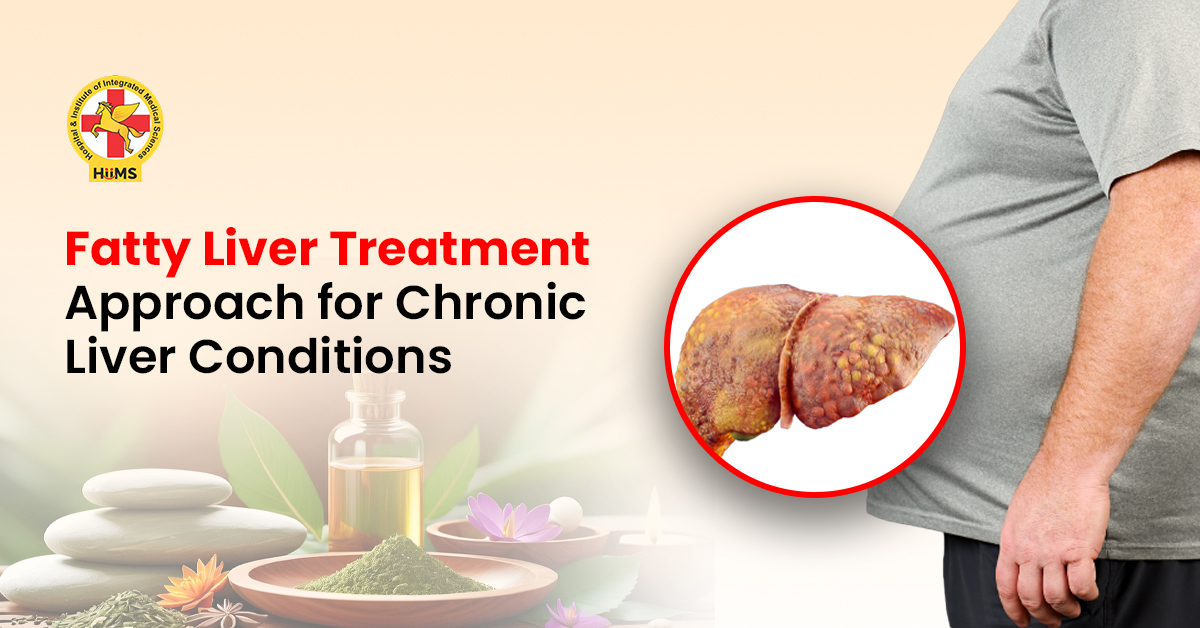
Over time, excess fat begins settling where it should not and slowly affecting the functioning of the liver. This shift does not always come with any kind of pain or visible difficulties, which is why many people keep on with their current life without realising what is developing inside. And that’s why fatty liver treatment today needs attention, not because it appears serious, but because it develops alongside other health concerns like weight gain, sugar imbalance, and low energy and many other serious issues later on. When ignored for long, it may move toward more complex stages of Liver disease.
This blog explains how fatty liver connects with daily habits, how chronic liver disease develops over time, and how a balanced, root-focused care approach helps recovery feel steady and manageable.
Understanding Fatty Liver and Chronic Liver Disease
In simple words, fatty liver means excess fat gets stored in liver cells. The liver still works in that condition, but it works under pressure. Digestion slows down, detox becomes less effective, and energy decreases progressively.
When this condition of the liver continues without correction, it can move toward chronic liver disease, where inflammation, stiffness, or scarring begins affecting liver function. Early fatty changes are usually easily reversible with natural methods. Chronic stages need structured care, patience, and consistent routine correction.
Common Liver Disease Symptoms People Often Ignore
Many liver disease symptoms look harmless at first. Like regular bloating, low appetite, heaviness after meals, or constant tiredness, which get blamed generally because of work stress or age. As fatty liver progresses, digestion weakens and energy dips become frequent.
In chronic liver disease, symptoms appear late because the body adjusts quietly on its own. That delay makes early observation and timely care important.
How Lifestyle Plays a Key Role in Liver Damage
Wrong food habits play a strong role in damaging the liver. Fried items, sugary snacks, late-night meals, sometimes dairy, non-veg., and irregular eating disturb digestion. Sitting for long hours slows metabolism. Poor sleep further adds to metabolic overload.
The liver struggles not because of one habit, but because many small habits combine over time. This pattern forms the base of long-term liver disease progression.
Fatty Liver Treatment: A Root-Cause-Focused Perspective
Fatty liver treatment cannot depend only on reports and numbers. Relief from a chemical-based approach may come for a short time, like digestion; it stays only for a week, daily habits stay disturbed, and waste continues to build inside the body.
Root-focused care works on digestion first. It allows the body to clear waste slowly and helps daily routines fall back into place. Recovery stays stronger when attention moves away from quick relief and rests on steady internal balance over time.
Ayurvedic Understanding of Fatty Liver Imbalance
Ayurveda views fatty liver as a result of weak digestion and toxin accumulation. When digestive fire slows, fat and waste settle instead of getting processed. Metabolic imbalance adds further load to the liver.
Here, care aims to bring the body back into balance instead of pushing symptoms down. As digestion becomes stronger, the body starts clearing waste on its own, and pressure on the liver slowly begins to ease.
Fatty Liver Treatment Approach at Jeena Sikho HiiMS New Noida
At Jeena Sikho HiiMS New Noida, the fatty liver treatment approach begins with a proper assessment. Doctors begin by reviewing reports, daily habits, digestion strength, and routine patterns before planning the next steps of care.
Treatment plans stay personalized. Instead of following fixed guidelines for everyone, care adjusts according to body response, making recovery feel less forced and more practical.
Detox Support Through Structured Therapies
Detox supports care in chronic liver disease, but it needs to stay gentle. When cleansing happens in a structured way, toxins reduce gradually without putting sudden stress on the body.
Therapies work gradually, under monitoring, so the liver regains strength instead of getting overstimulated. Safety and structure remain important throughout the process.

Herbal Support for Liver Function
Herbal support focuses on improving bile flow, metabolism, and liver repair. These herbs assist natural cleansing and help liver cells recover. The aim stays gentle and long-term. Aggressive stimulation gets avoided so the liver heals steadily.
Diet Discipline as a Foundation for Liver Healing
Food timing matters as much as food choice. So for that, need to eat light, plant-based, seasonal meals to support digestion. Eating at regular hours reduces liver load. Digestive discipline strengthens fatty liver treatment outcomes and supports long-term stability in liver disease management.
Daily Routine and Lifestyle Corrections
Sleeping at the right time according to the circadian rhythm supports liver repair cycles. Simple movement improves circulation. Like, breathing techniques calm the stress response. Reducing mental load allows metabolic balance to return, which directly supports liver health.
Managing Chronic Liver Disease with Integrated Care
Integrated care combines monitoring with natural support. Reports guide progress, while diet, routine, and therapies support recovery.
This approach helps slow progression, reduces complications, and improves quality of life for people managing chronic liver disease.
Why Patients Choose Jeena Sikho HiiMS New Noida
- Patients trust Jeena Sikho HiiMS New Noida for its experience with long-standing liver concerns.
- The hospital combines proper assessment, therapy, diet guidance, and routine correction under expert supervision.
- Care continues beyond reports, helping patients feel supported throughout recovery.
Conclusion
True liver recovery takes time and careful decision-making. It comes from restoring balance and proper detoxification of the liver and then goes to the next process. A structured fatty liver treatment approach works on digestion, gentle cleansing, and daily routine at the same time. When these things improve together and care continues steadily, the liver gains strength naturally, and even long-term liver disease conditions begin to show signs of improvement.
For clear guidance on liver health and a care plan that fits daily life, you can reach Jeena Sikho HiiMS New Noida at +91 96673-58880 or write to care@jeenasikho.com and take a calm, steady step toward better liver health.
FAQs
Q1: What are common liver disease symptoms to watch for?
Common liver disease symptoms include fatigue, bloating, appetite changes, and heaviness after meals.
Q2: How does fatty liver treatment help chronic conditions?
Fatty liver treatment helps digestion work better, lowers waste buildup in the body, and supports a slower, more controlled progression of chronic liver disease.
Q3: Can lifestyle correction support Liver disease recovery?
Routine correction improves digestion, metabolism, and supports long-term liver disease management.
Q4: Why does chronic liver disease need long-term care?
Chronic liver disease develops over time and responds better to steady, structured care rather than quick fixes.
Q5: When should someone seek help for fatty liver?
Persistent digestive discomfort or ongoing liver disease symptoms indicate the need for timely professional guidance from the best hospital like Jeena Sikho HiiMS New Noida.