
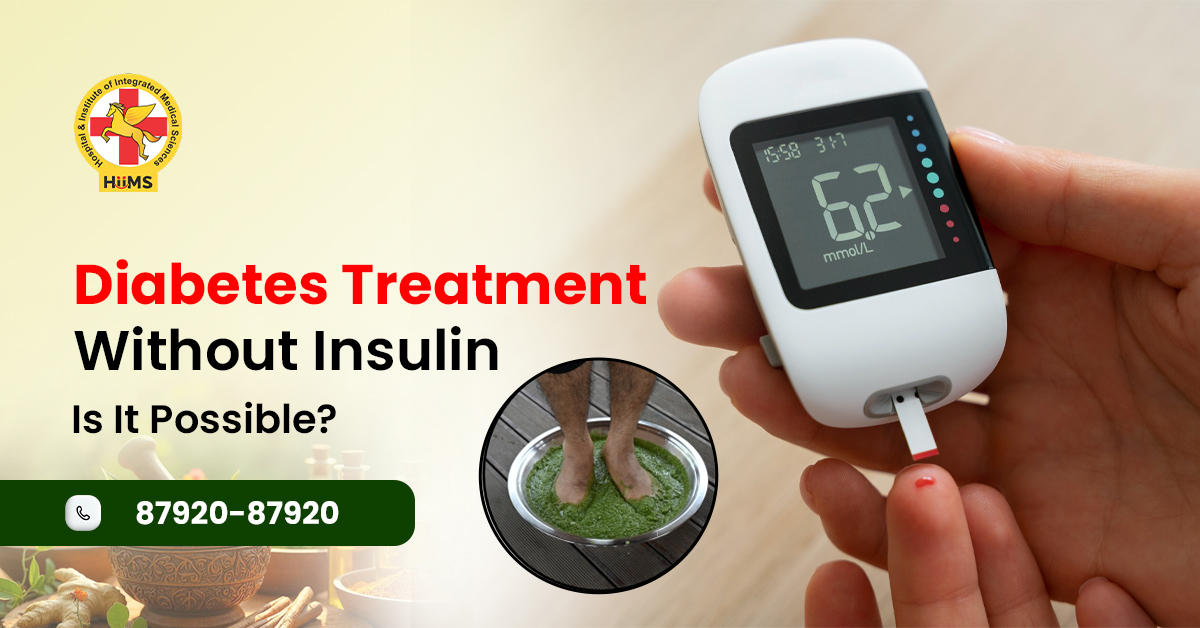
Diabetes is becoming very common in India today. Many people, young and old, are facing this health problem due to food habits, stress, and lack of daily activity. When a person is told that they have diabetes, the first fear that comes to mind is insulin. Some people worry about injections for life, while others feel confused about long-term medicines. So a common question is asked again and again. Is diabetes treatment possible without insulin? It mostly depends on the type of diabetes, the stage it has reached, and whether care is taken early or not. In many cases, insulin is not needed right away. With the right care, discipline, and natural support, sugar levels can be managed well. Ayurvedic treatment of diabetes focuses on the whole body. Along with sugar levels, digestion, daily habits, and body balance are also checked carefully. This blog explains diabetes in simple words and discusses whether insulin-free care is possible.
Understanding Diabetes in Simple Terms
Diabetes happens when the body is not able to control sugar properly. Either insulin is not made enough, or it does not work properly. As a result, sugar stays high in the blood. In Ayurveda, diabetes is known as Madhumeha. It is linked to weak digestion and disturbed body balance. Over time, this affects energy, immunity, and organ strength. There are different types of diabetes. Type 1 usually needs insulin. Type 2 diabetes, prediabetes, and early-stage cases can often be managed without insulin if proper care is taken.
Key Symptoms of Diabetes
Some signs appear slowly, so people often ignore them. You may notice changes in your body over time.
Common symptoms include:
- Feeling thirsty again and again
- Passing urine more often
- Feeling tired without heavy work
- Slow healing of cuts or wounds
- Blurred or unclear vision
These signs should not be ignored. Early care makes management easier.
Main Causes of Diabetes
Diabetes does not happen suddenly. Many small reasons together create the problem.
Main diabetes causes include:
- Eating too much sugar and refined food
- Irregular meal timing
- Sitting for long hours with little movement
- Stress and poor sleep
- Family history of diabetes
Over time, these habits weaken digestion and increase sugar imbalance.
Is Diabetes Treatment Without Insulin Possible?
For many people, yes, it is possible. Especially in Type 2 diabetes and early stages, insulin may not be required. The body can still respond if given proper support. With timely diabetes care, sugar levels can be controlled through diet, herbs, lifestyle correction, and regular monitoring. Insulin is needed only when sugar remains uncontrolled or insulin production becomes very low.
Ayurvedic View on Diabetes Treatment
Ayurveda does not only focus on reducing sugar numbers. Digestion is improved, toxins are removed, and daily habits are corrected. This helps the body heal slowly and safely. When digestion improves, sugar handling also becomes better. This makes diabetes treatment more stable in the long run.
Natural Support Through Herbs
Ayurveda uses simple herbs that are known for sugar balance. They are taken as powders, decoctions, or tablets, as needed. Herbs such as Neem, Karela, Jamun, Methi, Giloy, Gurmar, Amla, Triphala, Vijaysar, Ashwagandha, and Cinnamon are commonly included. They help metabolism and allow the body to handle high sugar in a natural way.
Ayurvedic Therapies for Diabetes Care
Along with herbs, certain therapies are used to cleanse the body from inside. These therapies help digestion and reduce toxin load.
Virechana therapy helps clean the intestines gently. Basti therapy supports digestion and metabolic balance. These therapies are planned only after proper evaluation. At Jeena Sikho HiiMS, such therapies are part of a structured care plan under medical supervision.
Role of Diet in Diabetes Control
Food plays a very important role in how to control diabetes. Wrong food can disturb sugar levels even with medicines. A proper diabetes diet includes fresh vegetables, whole grains, light meals, and fixed eating times. Fried food, excess rice, sweets, and cold items are best avoided. Eating simple, warm, home-cooked food helps digestion.
Lifestyle Changes That Matter
Daily routine has a strong effect on sugar levels. Even small changes can bring steady improvement. Following a fixed sleep and wake cycle, doing light exercise, practising yoga and breathing exercises, and keeping stress under control are helpful. Regular sugar checks also help track progress.
Structured Ayurvedic Programs
Some patients benefit from structured care programs. These programs guide diet, lifestyle, therapies, and follow-ups in a planned manner. The MMB program at Jeena Sikho HiiMS works in phases. The first phase focuses on evaluation and guidance. The next phase supports long-term balance through continued care and monitoring.
Conclusion
Many people ask if diabetes treatment is possible without insulin. In many cases, yes it is. Early stage diabetes and Type 2 diabetes can often be controlled without insulin. Ayurveda works by fixing digestion, daily routine, and body balance. Insulin is not avoided blindly and is used only if the condition requires it. When care is regular and food habits are right, sugar levels remain within a safe range. If you or your loved one is dealing with diabetes, it is better to seek guidance early. If care is taken on time, many problems can be avoided and life can improve. Talk to experienced doctors for personalised advice and start your journey to healthier sugar levels naturally.

Frequently Asked Questions
1. Can diabetes be controlled without insulin?
Yes, many Type 2 diabetes cases can be managed without insulin with proper care.
2. What is the main reason for diabetes?
Poor diet, lack of activity, stress, and weak digestion are common reasons.
3. Is Ayurvedic treatment safe for diabetes?
Yes, when taken under medical guidance, it is safe and gradual.
4. Does diet really help control sugar levels?
Yes, the right diet plays a major role in sugar balance.
5. How often should sugar levels be checked?
Regular checks are advised, especially during treatment changes.