
Skin problems often begin quietly with a small rough patch or light itching. A feeling that the skin is not as comfortable as before. But many people ignore these signs and move on with daily life. Over time, the patches return again and again. Clothes start to irritate, sleep gets disturbed. Confidence also feels low on some days. This is how psoriasis slowly becomes part of life.
Psoriasis is not just a surface problem. It reflects changes happening inside the body. That is why simple skin creams give comfort for some time, but do not stop the condition fully. Many people then start looking for a psoriasis specialist who understands the deeper nature of the problem. Right guidance helps in managing symptoms and reducing flare-ups over time.
This blog explains psoriasis in an easy and calm way. It talks about symptoms, triggers, care options, and daily habits that support long-term skin relief. The language is simple so that anyone can understand and relate.
Understanding Psoriasis as a Long-Term Condition
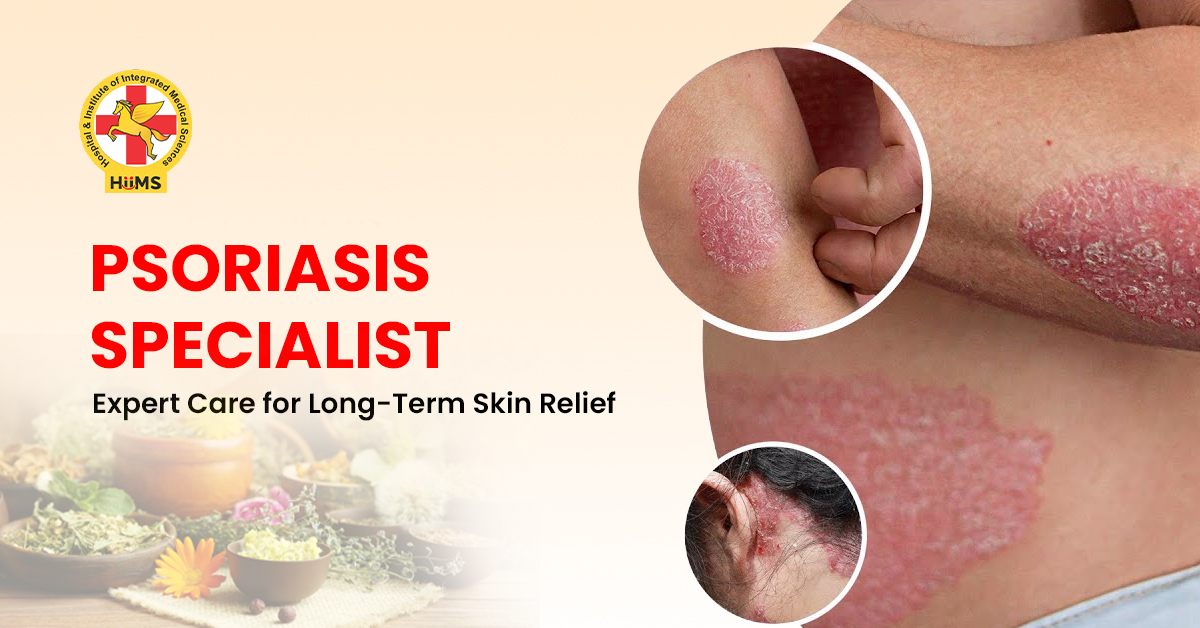
Psoriasis is a chronic skin condition. It happens when skin cells grow faster than normal. Rather than falling off normally, they build up on the skin’s surface. This leads to thick, dry, and scaly patches. These patches may appear on the elbows, knees, scalp, or back.
Each person’s skin reacts differently. Some people have mild patches. Others face frequent flare-ups. Because of this, care needs to be slow, planned, and patient.
Common Symptoms That Need Attention
Early signs often feel harmless, such as dry skin, slight redness, and mild itching. These signs usually come and go. Later, patches become thicker and more visible. Some people also notice nail changes or joint stiffness.
Seeing a psoriasis doctor early can help reduce discomfort and prevent symptoms from spreading further.
Psoriasis Causes and Trigger Factors
Understanding the psoriasis causes helps in managing the condition better. The causes can be different for each person.
Internal Triggers
Digestive weakness, stress, and immune imbalance play a major role. When the body is under pressure for long periods, the skin often shows the effect later.
External Triggers
Weather changes, infections, lack of sleep, processed food, alcohol, and skin injuries can trigger flare-ups. These triggers often work together, not alone. Knowing your own psoriasis causes helps in avoiding repeat episodes.
Role of a Psoriasis Specialist in Long-Term Care
A psoriasis specialist studies more than just the visible skin issues. They study patterns, triggers, seasons, and lifestyle habits. Care is adjusted slowly based on how the body responds. This method is gentle and slow.
Instead of looking for quick fixes, it focuses on balance. When your body feels healthier inside, your skin also becomes more comfortable.
Psoriasis Treatment for Stable Skin Health
Psoriasis treatment works in layers. It supports the body from inside and soothes the skin from outside.
Internal care helps digestion and immunity. External care reduces dryness and itching. When both work together, flare-ups slowly reduce. Proper psoriasis treatment is not rushed. It respects the body’s pace.
Ayurvedic Care Methods for Psoriasis
Ayurveda looks at skin problems as a result of an imbalance inside the body. Excess heat, dryness, and toxin buildup affect skin health. This approach works by calming the body from the inside. That’s why the skin improves slowly but steadily.
Mild Cleansing and Soothing Therapies
Simple detox steps, warm oil massages, light steam, and gentle cleansing help reduce skin irritation and stress in the body.
Internal Care for Skin Balance
Herbal remedies help with digestion and boost immunity. When the body is healthy and nourished, the skin usually calms down naturally.
Choosing the Right Psoriasis Doctor
A skilled psoriasis doctor knows how stress, diet, and seasons affect your skin and helps track progress with regular check-ups.
Adjustments are made gently. This avoids sudden reactions and keeps the skin more stable.
Daily Habits for Healthy Skin
Small daily habits help your digestion, reduce stress, and keep your skin calm and healthy over time.
- Eat fresh, warm meals.
- Drink enough water.
- Avoid very spicy and processed food.
- Sleep on time.
- Manage stress with light activity or breathing.
These habits reduce internal load and support skin comfort.
Ongoing Care and Maintenance
Psoriasis does not go away quickly. Even when the skin improves, regular care is still needed. Try to avoid triggers that can cause flare-ups.
Adjust food according to the seasons and follow routines daily. This reduces the chance of recurrence.
A psoriasis specialist helps in maintaining this balance and guiding long-term care safely.
Conclusion
Psoriasis can improve with the right guidance and treatment. When the focus is on balance rather than quick fixes, the skin starts responding better.
Right guidance, steady habits, and awareness make the journey easier. With proper care, the skin slowly feels more comfortable, and flare-ups become less frequent. Making the right care choices allows you to live with more ease and less worry about your skin.
If you or someone you know has ongoing skin problems, consult a psoriasis expert at Jeena Sikho HiiMS. Contact at +91 82704-82704, or email care@jeenasikho.com.
FAQs
- What are the signs of psoriasis?
Dry skin, redness, mild itching, and small rough patches are early signs.
- Which parts of the body usually get psoriasis?
It usually appears on the scalp, elbows, knees, back, and sometimes the nails.
- Why see a psoriasis expert?
A specialist knows how to care for psoriasis long-term and treats the root cause, not just the skin patches.
- Can weather affect psoriasis?
Weather changes can sometimes trigger flare-ups or make symptoms worse.
- Can daily habits help control psoriasis?
Healthy dietary habits, sleep, and stress control support better skin health.