

Piles, or hemorrhoids, is a condition that many people experience at some point in life. It develops when the veins around the anus and lower rectum become swollen due to constipation, weak digestion, pressure, or unhealthy daily routines. Most people feel uncomfortable discussing this problem, which causes delay in hemorrhoid treatment. When ignored early, piles can turn into a serious and painful issue.
External hemorrhoids occur when the swollen veins form outside the anus. They are usually more painful because the surrounding skin is very sensitive. People may experience itching, burning, swelling, trouble sitting, and sometimes strong pain caused by blood clots. Bleeding during bowel movements may also occur.
The main goal of this blog is to help readers understand external hemorrhoids in an easy way. It explains symptoms, causes, warning signs, external hemorrhoid treatment options, preventive habits, and the right time to consult a specialist for lasting relief.
What Are External Hemorrhoids?
External hemorrhoids are swollen blood vessels that develop under the skin around the anus. When excessive pressure is applied to the veins near the rectum, piles begin to form. Slowly, these veins swell and become inflamed, leading to discomfort and pain. Unlike internal hemorrhoids that grow inside the rectum, external ones are visible and easy to notice.
They may appear as:
- Small, soft lumps
- Hard painful swelling
- Bluish or dark-colored bumps
- Tender skin near the anus
In severe cases, a blood clot may form inside them. This is called a thrombosed hemorrhoid, which can cause intense pain.
Difference Between Internal and External Hemorrhoids
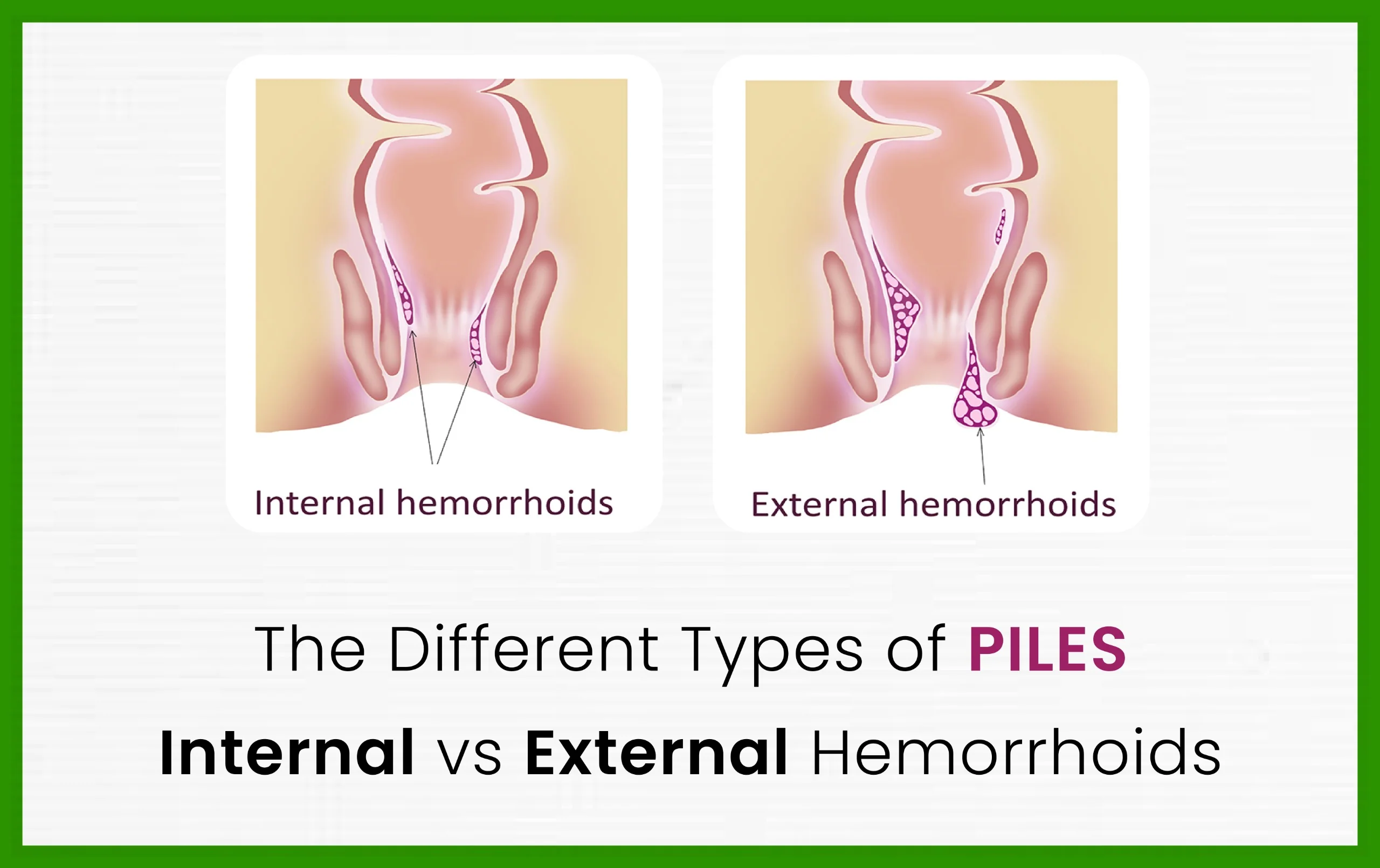
Understanding the difference between internal and external hemorrhoids helps in choosing the right treatment. Internal hemorrhoids develop inside the rectum and are usually painless. They may cause bleeding but are not visible from outside.
External hemorrhoids develop outside the anus and are often painful. They cause itching, swelling, and discomfort and can be seen and felt easily. Because the skin around the anus is very sensitive, external hemorrhoids usually cause more pain than internal ones.
Common Symptoms of External Hemorrhoids
What are the symptoms of external hemorrhoids?
External hemorrhoids show clear signs that should not be ignored.
- Pain and Discomfort: Pain is the most common symptom, especially while sitting, walking, or passing stool.
- Swelling Around the Anus: You may notice a lump or puffiness near the anal opening.
- Itching and Irritation: Constant moisture and inflammation cause itching and burning.
- Bleeding: Small amounts of bright red blood may appear on toilet paper or stool.
- Hard Lump Formation: Sometimes a blood clot forms, making the lump hard and extremely painful.
- Difficulty in Sitting: Prolonged sitting becomes uncomfortable due to pressure on the swollen area.
If these symptoms continue for more than a few days, medical advice is necessary.
Early Warning Signs of Piles
Many people ignore the early signs of piles and seek medical help only when the pain becomes severe. This delay often makes hemorrhoid treatment more difficult.
- Mild itching near the anus is usually the first warning sign and happens due to irritation and moisture around the area.
- Slight discomfort after a bowel movement may indicate swelling inside or outside the anus.
- A feeling of incomplete evacuation means the bowels do not feel fully empty, which can increase pressure on rectal veins.
- Light bleeding occasionally, seen on toilet paper or in stool, suggests early damage to blood vessels.
- A small, soft swelling near the anus is an early sign of external hemorrhoids forming.
Recognizing these signs early and taking proper care can help prevent serious pain, infection, and long-term complications.
Main Causes of External Hemorrhoids
External hemorrhoids mainly develop due to increased pressure on rectal veins.
- Chronic Constipation
Hard stools require straining, which damages blood vessels. - Prolonged Sitting
Sitting for long hours, especially on the toilet, increases pressure. - Low Fiber Diet
Lack of fruits, vegetables, and whole grains leads to poor digestion. - Dehydration
Not drinking enough water makes stool dry and hard. - Pregnancy
Increased abdominal pressure and hormonal changes raise risk. - Obesity
Excess body weight puts extra pressure on pelvic veins. - Heavy Lifting
Lifting heavy objects repeatedly strains the lower body. - Aging
With age, veins lose elasticity and become weaker. - Irregular Bowel Habits
Delaying bowel movements worsens constipation.
Most patients have more than one cause behind piles development.
Who Is More at Risk?
Some people are more likely to develop hemorrhoids due to their daily habits, health conditions, and lifestyle. Office workers and drivers who sit for long hours are at higher risk because prolonged sitting increases pressure on the rectal area. Pregnant women often develop piles due to hormonal changes and increased abdominal pressure. Elderly people are also more prone to hemorrhoids as the veins become weaker with age.
People with a sedentary lifestyle and little physical activity may face digestive problems that lead to constipation. Those who follow poor dietary habits, such as eating low-fiber and junk food regularly, are also at greater risk. Individuals suffering from digestive disorders like chronic constipation or irregular bowel movements have a higher chance of developing piles. If you fall into any of these categories, taking preventive steps and seeking proper piles treatment is very important to protect your long-term health.
Diagnosis of External Hemorrhoids
Doctors usually diagnose external hemorrhoids through physical examination.
Medical Examination Includes:
Doctors usually diagnose external hemorrhoids through a basic physical examination. In most cases, no machines or complicated tests are needed. The doctor carefully checks the anal area through visual inspection to look for swelling, redness, or lumps. A gentle digital rectal examination may also be done to feel for any internal swelling or abnormalities. In some cases, a simple proctoscopy may be used to examine the rectal area more clearly. However, this is not required for most patients. Advanced tests are only suggested when bleeding is severe, long-lasting, or linked to other health problems. Early diagnosis through simple examination helps start hemorrhoid treatment quickly and prevents further complications.
Modern Medical Treatment for External Hemorrhoids
Modern medicine focuses on symptom relief and removal if needed.
- Medications
- Topical Creams and Suppositories
- Sitz Bath: Sitting in warm water for 15–20 minutes reduces pain.
Surgery provides quick relief but involves pain, recovery time, and risk of recurrence. Modern external hemorrhoid treatment often focuses on symptoms rather than causes.
Common problems include temporary relief, recurrence, dependence on medicines, side effects, and post-surgery discomfort. And thats where ayurveda comes in.
Ayurvedic Treatment for External Hemorrhoids
Ayurveda treats piles as Arsha Roga and focuses on root cause correction. Institutes like Jeena Sikho HiiMS Hospital follow holistic healing methods.
Core Principles of Ayurveda:
- Balance digestive fire (Agni)
- Remove toxins (Ama)
- Improve bowel movement
- Strengthen veins
- Prevent recurrence
Ayurvedic Therapies for Piles
- Herbal Medicines: Natural herbs help reduce swelling and bleeding. Common herbs include triphala, haritaki, arshoghni vati, neem, and aloe vera, which help in improving digestion and healing tissues.
- Kshar Sutra Therapy: A medicated thread is used to remove hemorrhoids naturally. It is a minimally invasive procedure that does not require major surgery. It has a low chance of recurrence when proper care is followed. It is considered safe when performed by experienced doctors. It is also cost-effective compared to many surgical hemorrhoid treatments.
- Panchakarma Detox: Detox therapies cleanse the digestive system and improve metabolism and bowel regularity.
- Diet Correction: A customized diet improves digestion and prevents constipation.
- Lifestyle Counseling: Patients are guided to change daily habits permanently. Ayurvedic external hemorrhoid treatment works slowly but gives long-term results.
Diet Plan for External Hemorrhoids Patients
A healthy, fiber-rich diet plays an important role in managing external hemorrhoids.
- Including oats and brown rice helps improve digestion and prevent constipation.
- Green leafy vegetables provide essential nutrients and support smooth bowel movement.
- Fruits like papaya, apple, and guava are rich in fiber and help soften stool naturally.
- Buttermilk improves gut health and reduces acidity, while coconut water keeps the body hydrated.
- Soaked raisins act as a natural laxative and promote regular bowel habits.
- Chia seeds are also beneficial, as they absorb water and add bulk to stool, making it easier to pass.
Foods to Avoid
Certain foods can worsen piles symptoms and should be avoided during hemorrhoid treatment.
- Spicy food can irritate the digestive tract and increase burning sensations. Fried snacks and fast food are heavy to digest and often lead to constipation.
- Processed meat contains low fiber and high fat, which slows down digestion. Alcohol dehydrates the body and makes stool hard.
- Excess tea and coffee can increase acidity and disturb bowel movements. White bread lacks fiber and may cause digestive problems.
- Sugary drinks weaken digestion and contribute to poor gut health.
Following a fiber-rich diet helps keep stool soft and makes bowel movements easy and painless.
Lifestyle Changes for Prevention
Without lifestyle improvement, piles may return.
Daily Habits to Follow
- Drink 8–10 glasses of water.
- Walk 30 minutes daily.
- Avoid long periods of sitting.
- Use the toilet only when needed.
- Do not strain.
- Maintain a healthy weight.
- Sleep 7–8 hours.
- Manage stress.
Small changes make big long-term differences.
Home Remedies for External Hemorrhoids
These remedies help in mild cases.
- Warm Sitz Bath: Helps reduce swelling and ease pain.
- Aloe Vera Gel: Calms irritated skin and lowers discomfort.
- Coconut Oil: Keeps the area moisturized and controls dryness and itching.
- Ice Compress: Helps reduce inflammation and swelling.
- Fiber Supplements: Help make bowel movements easier and more regular.
These should be used only as support, not as a complete treatment.
When Should You See a Piles Treatment Doctor?
You should not keep waiting if:
- The pain becomes severe
- Bleeding keeps happening
- The lump feels hard
- There are signs of infection
- Home remedies are not helping anymore
- Symptoms last longer than a week
If piles are ignored, they may cause issues like weakness, infection, or blood clotting.
Choosing the Right Treatment Center
While choosing a treatment provider, always check:
- How experienced the doctors are
- What type of treatment they offer
- Whether they focus on long-term relief
- Patient reviews
- Care after treatment
Hospitals that combine Ayurveda with modern care often give better overall results.
Can External Hemorrhoids Be Completely Cured?
External hemorrhoids can improve when the main cause is treated properly. A balanced diet, healthy habits, and the right treatment play an important role. Temporary relief does not help much. Long-term recovery needs patience and regular care.
Common Myths About Piles
Myth 1: Piles occur only in older people
Truth: Young adults are also at risk.
Myth 2: Surgery is the only treatment method
Truth: Many patients recover without surgical procedures.
Myth 3: Piles always bleed
Truth: Pain can happen even when there is no bleeding.
Myth 4: Spicy food causes piles
Truth: Several reasons are responsible.
Myth 5: Piles are dangerous
Truth: Early treatment makes them manageable.
Conclusion
If you are dealing with external hemorrhoids or piles and looking for safe, long-term relief, do not ignore your symptoms. Taking early steps can help prevent future problems and bring you back to a comfortable and healthy life. For gentle guidance and personalized Ayurvedic care, feel free to contact our medical team. Call: +91 82704 82704 or Email: care@jeenasikho.com
Our medical team is committed to guiding you through accurate diagnosis, natural therapies, diet planning, and lifestyle support. Begin your journey toward better health today with confidence and care.

FAQs
1.Are external hemorrhoids dangerous?
They are not harmful, but untreated piles can cause complications.
2.How long do the external hemorrhoids last?
Mild cases heal in 1–2 weeks with care.
3.Can piles go away without treatment?
Sometimes, but recurrence is common.
4.Is walking good for piles?
It improves blood circulation.
5.Can piles cause weakness?
Chronic bleeding may cause anemia.
Disclaimer: The information provided on this blog is for general educational and informational purposes only. It is not intended to replace professional medical advice, diagnosis, or treatment. Always consult a qualified healthcare professional before making any changes to your diet, lifestyle, or treatment plan. Individual results may vary.
