

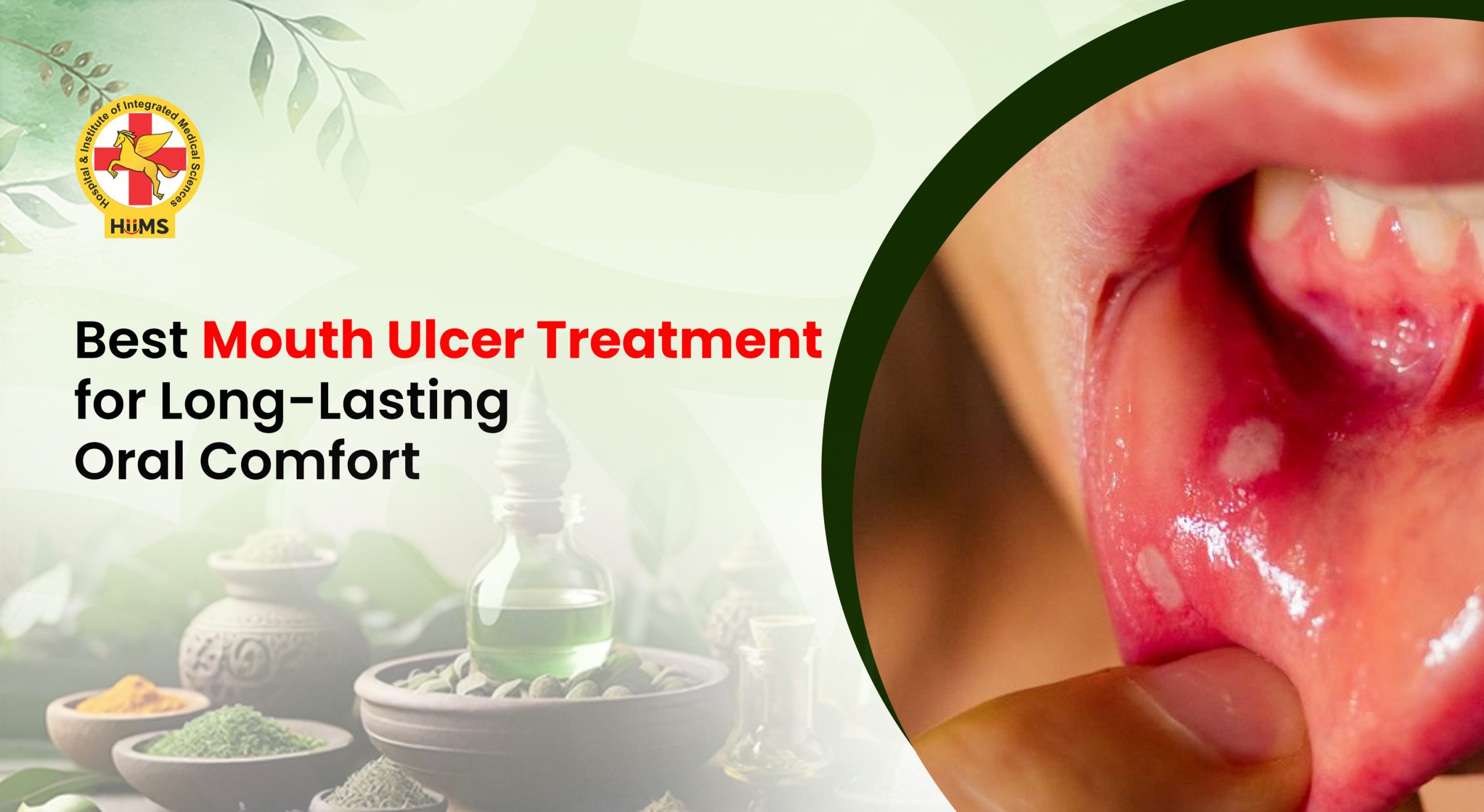
Mouth ulcers may look small, but they can upset daily life more than expected. Eating takes longer, talking feels awkward, and even a sip of warm water can sting. These sores often show up without warning, and in the beginning, most people tend to ignore them, hoping they will settle on their own after a few days.
In many cases, they do heal without much effort. But when mouth ulcers keep returning or take too long to settle, they begin to affect comfort and routine. That is when understanding the best mouth ulcer treatment becomes important. Proper care is not only about healing the sore but also about preventing it from coming back again and again.
This blog explains what mouth ulcers are, what causes them, early symptoms to watch for, and how simple care, along with natural methods, can help in mouth ulcer healing.
What Exactly Are Mouth Ulcers?
Mouth ulcers are small sores that show up inside the mouth, mostly on the tongue, gums, inner cheeks, or lips. They form on the softer parts and often appear suddenly, without any clear reason. Most of the time, the sore is round or oval in shape, with a light center and some redness around the edges.
Some mouth ulcers stay small and heal within a few days. Others become larger, cause more discomfort, and take longer to go away. For some people, ulcers keep coming back, which can be a sign that something inside the body is not fully balanced. Mouth ulcers are different from stomach ulcers, which occur inside the digestive system and show different symptoms.
Common Causes and Symptoms of Mouth Ulcers
Mouth ulcers usually develop due to small daily factors that often go unnoticed. Minor injuries in the mouth while chewing food, poor food habits, stress, and nutritional gaps slowly affect the sensitive lining of the mouth. Apart from the causes, some early signs can help identify ulcers before they start hurting more. Paying attention to both helps in taking timely care and reduces discomfort later.
Common causes include:
- Accidentally biting the cheek or lip.
- Brushing teeth too hard.
- Irritation from sharp teeth or dental braces.
- Low iron or B-vitamin levels.
- High stress that weakens digestion.
- Too much spicy or sour food.
- Poor digestion and too much internal heat.Common symptoms to watch for:
- Burning or tingling felt in the mouth.
- A small sore that feels uncomfortable.
- Pain while chewing or talking.
- Irritation when eating certain foods.
- Tenderness or mild swelling around the ulcer.
Early attention to these signs helps in quicker mouth ulcer relief and prevents the problem from worsening.
How to Approach Mouth Ulcer Treatment
Choosing the right mouth ulcer management depends on how severe the ulcer is and how often it appears. Mild mouth ulcers usually heal with basic home care. Ulcers that are painful or keep returning may require additional care.
Keeping the mouth clean allows the sore to heal better. When irritation or infection is present, healing becomes slow. A mild rinse using warm water and a little salt helps keep the area clean and eases discomfort in the first few days.
Jeena Sikho HiiMS Guided Home Remedy for Mouth Ulcers
Traditional care usually follows gentle methods along with simple food discipline, rather than strong or rushed approaches. One commonly followed:
An Ayurvedic home remedy includes the use of natural katha.
- Take natural katha from a trusted paan shop.
- Apply a very small amount directly on the ulcer.
- Keep it inside the mouth for a short time.
- Rinse gently with clean water afterwards.
- Avoid white salt and white sugar in daily meals.
- Follow the steps consistently for better comfort.
DIP Diet: designed around light, seasonal, and freshly prepared foods that help calm digestive activity and reduce excess internal heat. This natural cooling influence helps soothe irritated oral tissues, lowers burning sensations, and supports a stable internal environment, allowing mouth ulcers to heal gradually without repeated irritation.
Honey: honey for its cooling, antibacterial, and wound-soothing qualities in mouth ulcers.
- Put a small amount of organic, raw honey in your mouth.
- Swirl it well and hold it for a minute.
- Then swallow gently—do not rinse right away, so the honey stays in contact with the ulcer for longer.
This method helps calm irritation and supports natural healing when combined with careful eating habits.
Lifestyle Habits That Help Prevent Mouth Ulcers
Simple daily habits help prevent ulcers from coming back. Managing stress, eating on time, and drinking enough water help digestion stay steady. Good sleep gives the body time to recover. Using a soft toothbrush, avoiding any kind of strong oral products, and chewing food slowly help protect the mouth lining. These small changes can improve the mouth ulcer healing over the long run.
Conclusion
Mouth ulcers are common, but repeated or long-lasting sores signal that the body needs attention. Gentle care, mindful food choices, and healthy routines help reduce discomfort and support lasting comfort.
The Best Mouth Ulcer Treatment focuses not only on healing the sore but also on improving digestion and daily habits. With steady care and the right approach, mouth ulcers can be managed calmly and effectively over time. For personalized support and natural care guidance, you may consult the experts at Jeena Sikho HiiMS by calling +91 82704 82704 or writing to care@jeenasikho.com
FAQs
- What are mouth ulcers, and why do they occur?
Mouth ulcers are small sores inside the mouth. They usually occur due to stress, weak digestion, mouth injury, or nutritional deficiencies.
- Can stress cause mouth ulcers?
Stress can weaken digestion and increase internal heat, which may trigger mouth ulcers in some people.
- What foods should be avoided during mouth ulcers?
Spicy, sour, and very hot foods, and packaged items can irritate ulcers and slow healing.
- Do home remedies really help mouth ulcers?
Simple remedies like saltwater rinsing and gentle natural methods often provide comfort and support healing.
- What is the goal of the best mouth ulcer treatment?
The goal is not only to heal the ulcer but also to prevent recurrence by improving digestion, habits, and overall oral comfort.