

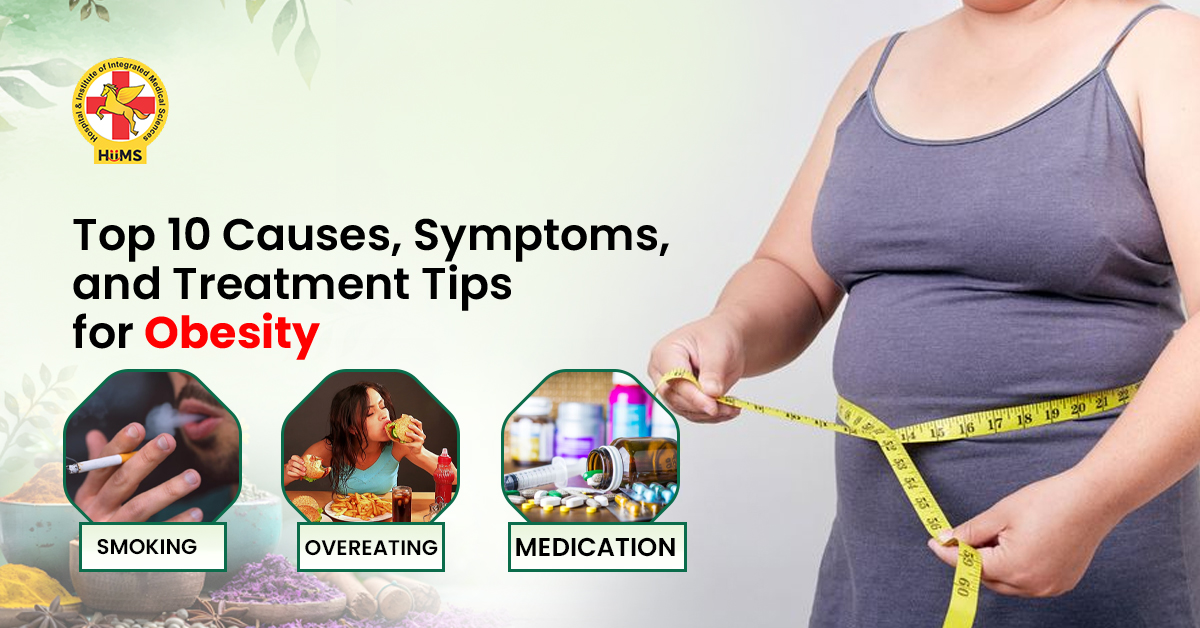
Obesity is a growing health problem, and many people believe it happens suddenly. In reality, it develops slowly over months and years. At first, weight gain feels small, clothes become tight, walking feels a little heavy, and later, daily work starts feeling tiring.
Obesity is not just about body shape; it also affects health internally. It raises the risk of diabetes, heart problems, joint pain, and breathing difficulties. Doctors usually check obesity using BMI. When BMI reaches 30 or above, it is considered obesity.
Many people feel unsure about weight gain and try short-term diets or exercise. Without understanding the real reasons, results do not last.
That’s why it is important to understand the causes, early symptoms, and proper care for obesity. With the right Obesity Treatment, weight can be managed healthily.
Jeena Sikho HiiMS Jaipur, an Ayurvedic hospital, provides natural, safe, and gentle methods for treating obesity. This blog aims to guide readers about the causes, symptoms, simple treatment tips, and diet advice for managing weight safely.
What is Obesity?
Obesity means the body stores extra fat. This fat doesn’t appear overnight; it accumulates gradually over time. In the early stage, many people ignore it; they think weight gain is normal.
Over time, it starts affecting energy, movement, sleep, mood, hormones, and digestion becomes weak. That is when medical support becomes important. Early Obesity Treatment helps prevent long-term problems.
Common Obesity Symptoms to Notice Early
Many people miss the early signs. They feel tired but ignore it. Some common obesity symptoms include:
- BMI above the normal range
- Fat around the waist
- Tiredness most of the time
- Breathlessness after little work
- Knee or back pain
- Excess sweating
- Poor sleep or snoring
- Difficulty bending or walking
These obesity symptoms are warning signals. Early care can prevent serious disease.
Top Causes of Obesity
Obesity usually does not have one reason. Many factors work together. The common causes of obesity seen in daily life are:
1. Eating Too Many Calories
Eating large portions, frequent snacking, fried food, and sugary drinks. These add extra calories without nutrition.
2. Lack of Physical Activity
Modern life means more sitting, office work, mobile use, and less walking. This leads to fewer calories being burned.
3. Poor Sleep Routine
Late nights and poor sleep disturb hunger hormones, leading to increased appetite.
4. Stress and Emotional Eating
Stress pushes people toward emotional eating, such as sweet and oily foods that add extra calories.
5. Medicines
Some medicines increase appetite or slow metabolism. This adds weight slowly.
6. Genetics
Family history plays a role. Some bodies store fat faster.
7. Hormonal Problems
Thyroid issues and PCOS-like conditions affect weight control.
8. Irregular Eating Time
Irregular eating habits like skipping meals or late-night dinners also results into weight gain.
9. Excess Screen Time
More screen time means no movement, which builds up fat in the body.
10. Poor Digestion
Weak digestion leads to improper fat metabolism.Knowing these causes of obesity helps in choosing the right treatment plan
Obesity is rising in India due to unhealthy diet choices and inactive lifestyles.
This video explains the major causes of obesity in India and how daily habits impact weight, shared by Acharya Manish Ji at Jeena Sikho HIIMS.
Health Problems Linked With Obesity
Obesity affects many parts of the body. It increases the risk of:
- Diabetes
- High blood pressure
- Heart disease
- Joint pain
- Fatty liver
- Sleep problems
That’s why timely Obesity Treatment is important.
Treatment Tips for Obesity Control
Weight management is not about starving; it’s about maintaining balance. Below are some tips for obesity treatment.
Food-Based Support and the DIP Diet
Food plays an important role in weight control. Some helpful tips include:
- Meals made at home help the body stay light.
- Eating Fruits, raw salads, moong dal chilla, millet-based meals, and warm vegetable soups.
- The DIP Diet is a plant-based diet, considered one of the best diet for weight loss. It follows a “Plate 1 and Plate 2” style of eating. The steps to follow in the DIP Diet are:
Disciplined & Intelligent Person’s Diet (DIP Diet)
|
Plate |
Breakfast (7-9 AM) | Lunch (1-2 PM) | Dinner (Before 7 PM) |
| Plate 1 | Seasonal fruits of three to five varieties—10 g per kg of body weight. | Fresh vegetable salad (3–5 types) | A mix of fruits and raw salad—5 g per kg of body weight. |
| Plate 2 | Light millet-based food (upma, daliya, poha) | Meals made at home, such as khichdi, chapati, or daliya, using millets | Home-cooked soup made with fresh veggies |
| – | – | – | If skipped: Take seasonal fruits and salad—10 g per kg of body weight |
Note: Plate 2 should be eaten right after Plate 1, without any gap in between.
It is a straightforward method that improves digestion and supports general well-being.
Swedana Therapy
Ayurvedic therapies, such as herbal steam (swedana), help open the pores and remove toxins from the body. The steam can reduce stiffness, improve blood circulation, and support natural fat breakdown. Many people feel lighter and more relaxed after a few sessions
Use of Herbs
Certain herbs help naturally when used under guidance:
- Triphala – supports digestion
- Guggul – helps in fat metabolism
- Punarnava – reduces water retention
- Ashwagandha – helps control stress-related eating
It supports healthy eating and daily habits to control obesity effectively.
Simple Lifestyle Changes
Small daily habits make a big difference. These include:
- Walking regularly,
- Following a fixed sleep schedule,
- Managing stress, and
- Staying regular with healthy habits helps keep the results long-term.
Small daily improvements balance the body, improve metabolism, and support obesity management
Why Do People Prefer Jeena Sikho HiiMS Jaipur?
At Jeena Sikho HiiMS Jaipur, obesity treatment follows a holistic approach. The care focuses on correcting food habits, supporting the body with therapies, balancing daily routine, and managing emotional health.
The aim is to treat the root cause of obesity, not just control the symptoms. Doctors believe in slow and steady healing rather than quick results.
Conclusion
Obesity develops slowly but affects health deeply. Knowing the causes early helps people act on time and seek proper guidance, as ignoring symptoms can lead to serious diseases later.
The good news is that obesity can be managed with simple habits, the best diet for weight loss and proper treatment.
If you or someone you know is dealing with obesity, visit Jeena Sikho HiiMS Jaipur for safe, natural, and gentle treatment, or contact us at +91 77839-77839, or email care@jeenasikho.com

FAQs
Q1: What causes obesity?
Unhealthy dietary habits, lack of exercise, or genetics.
Q2. Which herbs help in managing obesity?
Triphala, guggul, punarnava, or ashwagandha.
Q3: Which is the best hospital for the treatment of obesity?
Jeena Sikho HiiMS Jaipur treats obesity naturally.
Q4. Can lifestyle changes help manage obesity?
A proper diet, stress control, or regular exercise helps in managing obesity.
Q5. Which diet is good for managing excess weight?
Fruits, raw salad, millet-based meals or DIP diet.
Disclaimer: The information provided on this blog is for general educational and informational purposes only. It is not intended to replace professional medical advice, diagnosis, or treatment. Always consult a qualified healthcare professional before making any changes to your diet, lifestyle, or treatment plan. Individual results may vary.
