What Is Gallbladder Cancer?
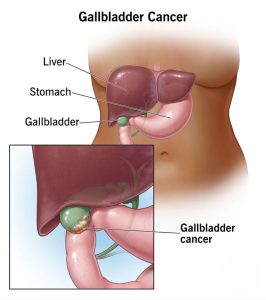
Gallbladder cancer is a disease where abnormal cells grow in the small pouch under the liver that stores bile. It is one of those conditions hardly anyone thinks about. Honestly, most people don’t even remember they have a gallbladder unless a doctor points to it on a scan. It’s a tiny organ, tucked away neatly under the liver, doing its job quietly.
Maybe that’s why so many patients who come to the Jeena Sikho HiiMS centers say something like, I thought it was gas acidity, nothing serious. And truly, who would suspect cancer from a bit of indigestion?
The hard part is that the early clues are almost disguised as everyday discomforts. They slip into normal life unnoticed. So no one considers them as gallbladder cancer symptoms. But once you understand what these symptoms actually look like, it becomes much easier to catch them early—or at least know when something feels off.
The idea behind this blog is to help you hear the quiet warnings your body gives before anything serious shows up. Also, to help you recognize the early gallbladder cancer symptoms, understand the hidden causes, and maybe rethink a few everyday habits.
Why Does Gallbladder Cancer Often Stay Hidden?
It stores bile, releases it when needed, and doesn’t usually demand attention.
So when cancer begins there, it starts gently, almost politely. No dramatic shocks. No sudden stabbing pain that forces you to run to the ER.
It begins with things most of us don’t pay attention to, which include:
- A little bloating after meals.
- Mild indigestion that feels like something I ate.
- Discomfort after oily food.
And because these things happen to everyone now and then, we don’t think twice. That’s exactly how gallbladder cancer symptoms hide in plain sight.
Common Signs of Gallbladder Cancer
When doctors at Jeena Sikho HiiMS Gurugram see patients with gallbladder issues, certain patterns come up again and again. Individually, these symptoms look harmless. Together, they start telling a story:
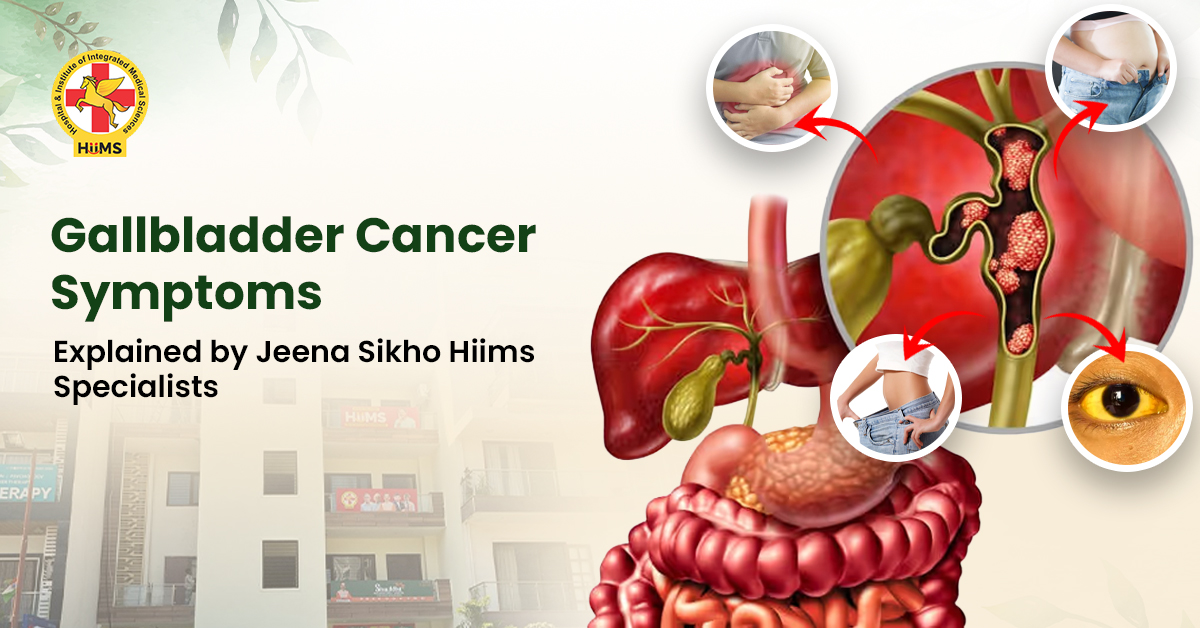
- A dull, nagging ache in the upper right part of your stomach.
- Yellowish eyes or skin (jaundice).
- Weight dropping without trying.
- Bloating or constant heaviness after eating.
- Waves of nausea or episodes of vomiting.
- Fever or chills that come and go.
- Skin that feels unusually itchy.
No simple signs of cancer confirm cancer. But when they hang around for weeks or keep returning, it’s worth listening to your body. Many of these are among the early gallbladder cancer symptoms people often ignore.
What Can Lead to Gallbladder Cancer?
Gallbladder cancer doesn’t just appear one fine morning. It quietly builds over the years, often from constant irritation or inflammation. There are some reasons doctors keep an eye on. Mainly, the causes of cancer are:
- Long-term gallbladder inflammation: Often linked to gallstones that repeatedly irritate the gallbladder wall.
- Chronic cholecystitis: Ongoing inflammation that sometimes hardens the gallbladder wall (porcelain gallbladder).
- Growing older: As we grow older, the risk naturally increases. It’s just a normal part of aging.
- Gender: Women tend to get this problem a little more often than men.
- Obesity: Being overweight increases the chances of forming gallstones, which can raise the risk.
- Eating habit: Eating too much fried, oily, or fatty food and not taking enough fresh vegetables can slowly strain the gallbladder.
- Family history: It matters a little, but not as strongly as in some other cancers.
- Birth-related bile duct abnormalities: Things like choledochal cysts can cause long-term irritation from childhood.
Can Gallbladder Cancer Be Prevented?
Now the question is, how to prevent cancer? There’s no magic formula to prevent cancer, but you can lower the risk significantly.
It mostly comes down to treating your digestion and liver kindly. Small choices that are repeated daily can make a surprisingly big difference.
Some practical steps:
- Always try to maintain a weight that feels right for you.
- Choose lighter and less oily foods.
- Eat more fruits, vegetables, and fiber-rich foods.
- Avoid smoking and alcohol consumption.
- Don’t ignore gallstones or recurring pain.
When Should You Consult a Doctor?
If you keep feeling discomfort in the upper-right abdomen or if you’re noticing yellowish eyes or perhaps losing weight without trying, don’t just wait it out.
Sometimes simple acidity keeps coming back because it’s not acidity but gallbladder cancer symptoms. A quick ultrasound, blood test, or scan can clear things up in minutes.
Even if the result is nothing alarming, the peace of mind is worth it. Many patients later share the same regret at Jeena Sikho HiiMS: I wish I had come earlier. I kept assuming it was nothing. Early detection doesn’t just help—it can completely redirect the outcome.
Conclusion
Gallbladder cancer isn’t common, but that doesn’t make it harmless. Its real danger comes from how quietly it starts and how easily the early symptoms blend into everyday life.
That’s why awareness of gallbladder cancer symptoms helps you to stay one step ahead. If you understand what your body is trying to say—that is, persistent pain, jaundice, and unexplained weight loss—then you’re already a step ahead. We can’t control everything, but we can take care of the things we can control: our habits, our food choices, and how quickly we respond to recurring discomfort.
If you need guidance or wish to understand your condition better, you can contact Jeena Sikho HiiMS Gurugram on their contact number: +91-93136-66680 or email care@jeenasikho.com for assistance and support.
FAQs
Q1. What is usually the earliest sign?
Ans. Often a dull, repeating pain on the upper right side of the abdomen. Jaundice or weight loss may also show up early.
Q2. Can gallbladder cancer look like normal stomach issues?
Ans. It often feels like indigestion, acidity, or gallstone pain, which is why early diagnosis is tricky.
Q3. Do gallstones always turn into cancer?
Ans. Most people with gallstones never develop cancer. The risk mainly increases when gallstones remain untreated for years.
Q4. Is gallbladder cancer hereditary?
Ans. A little, but not strongly. Most patients don’t have a strong family link.
Q5. How do I reduce my risk?
Ans. Manage gallstones early, eat cleaner, avoid smoking and heavy drinking, and get checked if symptoms keep returning.