

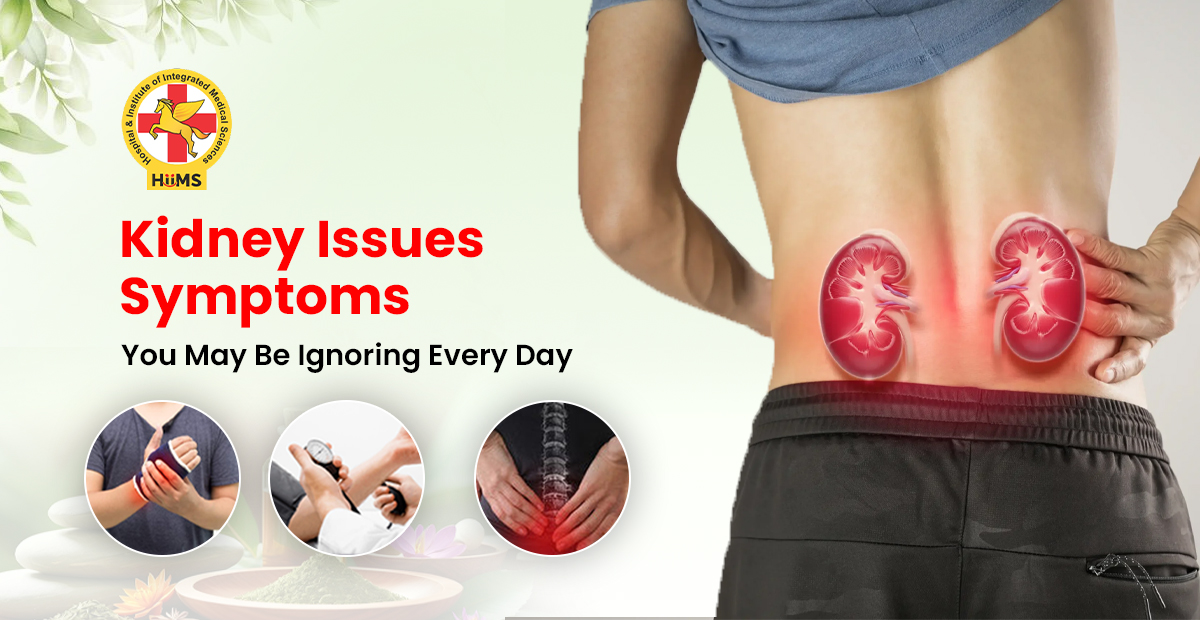
Kidneys work quietly inside the body. Often, we don’t even pay attention to them. They clean the blood, remove waste, and balance fluids every day. Still, many people ignore small body changes that are linked to kidney health. These signs look normal at first. They feel common. That is why they are often missed.
Kidney problems do not always start with pain. They grow slowly. In many cases, people notice the issue only when damage has already increased. Early kidney issues are easy to overlook during busy daily life. Tiredness, swelling, or small changes in urine are brushed aside.
This blog explains common kidney issues and symptoms that many people ignore. The aim is simple: to help you notice early signs and to help you understand when your body needs care, before the problem becomes serious.
Why Kidney Problems Often Go Unnoticed
Kidneys do not send loud warning signals in the beginning. They adjust and manage. This is why symptoms of kidney disease may stay hidden for months or even years.
People also confuse these signs with stress, age, or weak digestion. A little swelling is blamed on tiredness. Poor sleep is blamed on work pressure. Slowly, the symptoms of kidney problems become part of daily life.
By the time clear kidney failure symptoms appear, damage is often already advanced. This makes early awareness very important.
Common Kidney Issues Symptoms You Should Not Ignore
Below are some kidney issues symptoms that many people face daily, but ignore without knowing the reason.
Changes in Urination
Urine tells a lot about kidney health. Going to the toilet more often at night is one sign. Very dark, foamy, or bloody urine is another sign.
Some people notice very little urine, and others feel burning. These are common kidney disease symptoms and should not be ignored.
Constant Tiredness and Weakness
When the kidneys do not work well, toxins stay in the body. This leads to weakness and low energy.
You may feel tired even after resting. You may feel dull throughout the day. This is one of the early kidney issues seen in many people.
Swelling in Feet, Ankles, or Face
Swelling happens when the kidneys cannot remove extra fluid. Feet, ankles, hands, or even the face may look puffy.
Many ignore this sign, thinking it is due to salt or long sitting hours. But it is also linked to chronic kidney disease symptoms.
Loss of Appetite and Nausea
Feeling full quickly, loss of hunger, or mild nausea. These signs often appear slowly.
Waste buildup in the blood can affect digestion. These kidney problem symptoms are often mistaken for acidity or gas.
Skin and Sleep Changes Linked to Kidney Health
Kidneys also help balance minerals. When this balance is disturbed, skin and sleep are affected.
Dry and Itchy Skin
Dry skin is not always due to the weather. It can also be a sign of kidney disease symptoms.
Mineral imbalance can cause itching that does not improve with creams. This is common in long-term kidney issues.
Trouble Sleeping
Poor sleep, restless legs, or waking up often can be linked to kidney failure symptoms.
Many people treat sleep issues as stress-related. But kidneys also play a role here.
Breathing Issues and Chest Discomfort
Fluid buildup due to kidney damage can affect the lungs and heart.
Shortness of breath may happen. Pressure in the chest may be felt. These are more serious kidney issues and need quick medical attention.
Sometimes anemia caused by kidney disease also leads to breathing trouble.
Who is at Higher Risk?
Some people should be extra careful about kidney problem symptoms.
- People with diabetes
- People with high blood pressure
- Those with a family history of kidney disease
- People who take painkillers often
- Older adults
In these cases, even mild symptoms of kidney disease should not be ignored.
When Do Kidney Issues Become Serious?
When early signs are missed, kidney damage grows. This can lead to chronic kidney disease.
At later stages, symptoms of kidney failure may appear. These include severe swelling, very little urine, vomiting, confusion, and breathlessness.
At this point, treatment becomes more complex. That is why early care matters.
Importance of Early Testing and Care
Simple blood and urine tests can show kidney health. These tests are easy and are not painful.
If kidney issues symptoms are noticed early, damage can be slowed. Diet changes, fluid balance, and blood pressure control all help protect the kidneys.
Ignoring signs only makes treatment harder later.

Simple Daily Habits That Support Kidney Health
Small habits can protect the kidneys in daily life.
- Drink enough water
- Avoid excess salt and junk food
- Control sugar and blood pressure
- Do not overuse painkillers
- Get regular health checkups
- Regular physical activity
- Stress management
These habits support kidney function and reduce the symptoms of kidney disease over time.
Conclusion
Kidneys speak softly and do not shout when something is wrong. That is why kidney issues symptoms are often ignored every day. Small signs like tiredness, swelling, or urine changes may look harmless, but they carry meaning.
Listening to your body is important. Early signs of a kidney problem give a chance to act on time. This helps avoid serious symptoms of kidney failure later in life.
Simple awareness, regular tests, and healthy habits can protect kidney health for years. Paying attention today can save you from big trouble tomorrow.
FAQs
Q.1 What are the signs of kidney issues?
Ans: Loss of appetite, nausea, swelling in the feet or ankles, sleep disturbance, and itchy skin.
Q.2 Who is at higher risk of kidney-related diseases?
Ans: People with diabetes, high blood pressure, or older adults are at higher risk.
Q.3 What daily habits support kidney health?
Ans: Proper fluid intake, stress management, a routine of exercise, and healthy dietary habits.
Q.4 Are kidney issues reversible?
Ans: It can be managed with the right care, healthy habits, and timely treatment.
Q.5 Can diet affect kidney health?
Ans: Eating a balanced diet, reducing salt, and avoiding processed foods can help keep your kidneys healthy.