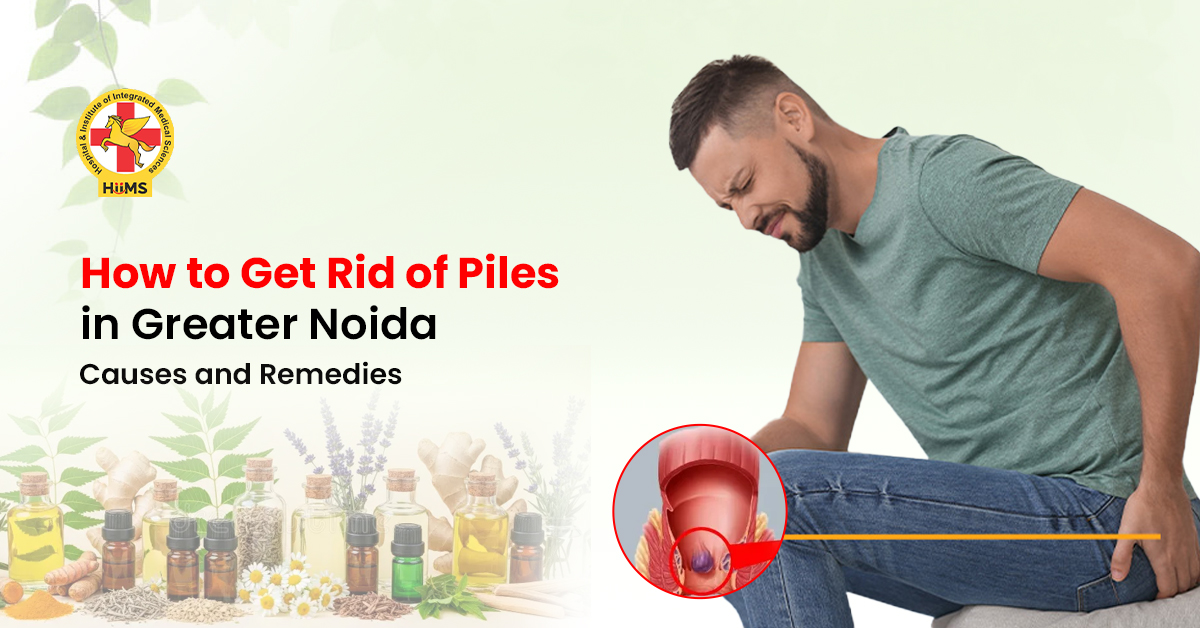

Piles is a problem that many people deal with, but most avoid talking about it openly. Due to fear, shame, or lack of awareness, people often ignore the early signs. Over time, it can increase pain, bleeding, and discomfort. Piles happen when veins around the anus become swollen because of pressure during bowel movements. This pressure usually comes from constipation, poor digestion, or unhealthy daily habits.
Most people believe that piles can only be treated through surgery. However, this is not always true. When piles are treated at an early stage, natural methods can help heal the problem from its root. For people living in Greater Noida, piles have become common due to long sitting hours, desk jobs, stress, and irregular food habits.
If you are searching for how to get rid of piles, it is important to first understand the causes behind them. Treating only pain or bleeding does not give long-term relief. This blog below explains common piles causes, simple symptoms to notice, and natural piles treatment options available in Greater Noida.
What Are Piles?
Piles, also known as hemorrhoids, are swollen veins found inside or outside the anus. These veins become weak when too much pressure is applied during bowel movements. When stool is hard or dry, a person has to strain, which damages the veins and leads to piles.
There are mainly two types of piles:
- Internal piles grow inside the rectum and often show up as bleeding, even without much pain.
- External piles appear outside the anus and usually cause pain, itching, and swelling.
Piles Causes
Knowing what actually causes piles is important, because treatment works better when the main problem is fixed, not just the symptoms.
- Chronic Constipation
Constipation is the most common reason behind the piles. When stool stays hard, a person has to push more during bowel movement. Over time, this extra pressure damages the rectal veins.
- Weak Digestive System
Poor digestion leads to gas, acidity, and improper stool formation. Over time, this weakens bowel movement and causes piles.
- Long Sitting Hours
Sitting for long hours at work or during travel reduces blood flow near the rectum. This puts extra pressure on the veins.
- Unhealthy Food Habits
Eating spicy, oily, or processed food and drinking less water increases dryness in stool, which worsens piles.
- Physical Pressure
Pregnancy, obesity, heavy lifting, and chronic diarrhea also add pressure to rectal veins.
Early Signs of Piles
There are some early signs of piles that should not be ignored, as they indicate the problem at an initial stage. Common signs include pain while passing stool, itching or burning near the anus, bleeding with stool, or swelling and a small lump around the area. Taking treatment early can stop piles from getting worse.
How to Get Rid of Piles Naturally
Most people searching for how to get rid of piles look for a treatment that does not involve surgery. Natural treatment works by improving digestion, softening stool, and allowing the veins to heal on their own. When digestion becomes strong, bowel movement improves and pressure on veins reduces.
Piles Treatment at HiiMS Greater Noida
Jeena Sikho HiiMS in Greater Noida continues to provide natural treatment for piles through Ayurveda and naturopathy. The goal is long-term relief without surgery.
1. Ayurvedic Therapies
- The treatment usually begins with Panchakarma detox therapy. It includes five cleansing procedures—Vamana, Virechana, Basti, Nasya, and Raktamokshana. These therapies help remove accumulated toxins from the body. Once the toxins reduce, the body doshas begin to balance, digestion improves, and the natural healing process in piles gets proper support.
- Basti therapy is considered an important part of the overall treatment. In this process, medicated enemas prepared using herbal oils and decoctions are given in a very gentle manner. This therapy helps in clearing the colon, calming internal inflammation, and allowing the stool to soften naturally.
- Kshar Sutra Therapy works in a different way. A specially prepared medicated herbal thread is carefully placed on the pile mass. Instead of acting quickly, the thread works slowly over a period of time. As the days pass, it helps the pile shrink and detach naturally. There is no cutting involved, no stitches, and no need for the major surgical intervention in this method.
2. Dietary Intervention (DIP Diet)
- Food habits matter a lot when it comes to treatment for piles. At Jeena Sikho HiiMS, patients are advised to follow a special DIP diet. Those who followed this diet regularly noticed easier bowel movements and gradual relief from pain and discomfort. The main aim of the DIP diet is to improve digestion and keep the stool soft.
- In the DIP diet, more focus is given to fruits, vegetables, and fluids. Papaya, apples, figs, spinach, carrots, oats, and barley are commonly eaten. Buttermilk and coconut water are also added. These foods make digestion easier and help soften stool on their own.
- Along with this, the patients are advised to stay away from spicy food, fried items, refined flour, red meat, tea, coffee, and alcohol, as these can increase the irritation and worsen piles-related symptoms.
3. Herbal Remedies
- Triphala and Haritaki help regulate bowel movement naturally by improving digestion and reducing constipation.
4. Lifestyle and Yoga Support
- Yoga postures like Malasana, Ashwini Mudra, and Pawanmuktasana help improve blood flow.
- Daily habits such as drinking enough water, avoiding long sitting, and taking warm relaxing baths support faster healing.

Conclusion
Piles, when left untreated, slowly start affecting daily comfort. Sitting, walking, or even using the toilet does not feel the same anymore. People who look for how to get rid of piles in Greater Noida usually want a solution that actually works long-term. At Jeena Sikho HiiMS, the treatment is planned around digestion, food habits, and daily routine, instead of just controlling pain for a short time.
Early treatment helps avoid the surgery and complications. For proper guidance and personalized piles treatment, call +919313666680 or write to care@jeenasikho.com to book your consultation.
FAQs
Q.1 What is the main cause of piles?
Ans: Constipation is the main cause of piles. The hard stool and repeated straining put pressure on the rectal veins, which slowly leads to piles.
Q.2 Is bleeding common in piles?
Ans: Bleeding during bowel movements is common, especially in internal piles.
Q.3 How long does piles treatment take?
Ans: Treatment time depends on the stage of piles and daily habits. With regular care and diet correction, improvement is usually seen within a few weeks.
Q.4 Can long sitting hours cause piles?
Ans: Sitting for long hours reduces blood flow and increases pressure on rectal veins, which can cause piles over time.
Q.5 Which foods should be avoided in piles?
Ans: Spicy, oily, fried food, maida, and alcohol should be avoided, as they worsen the constipation and piles symptoms.