

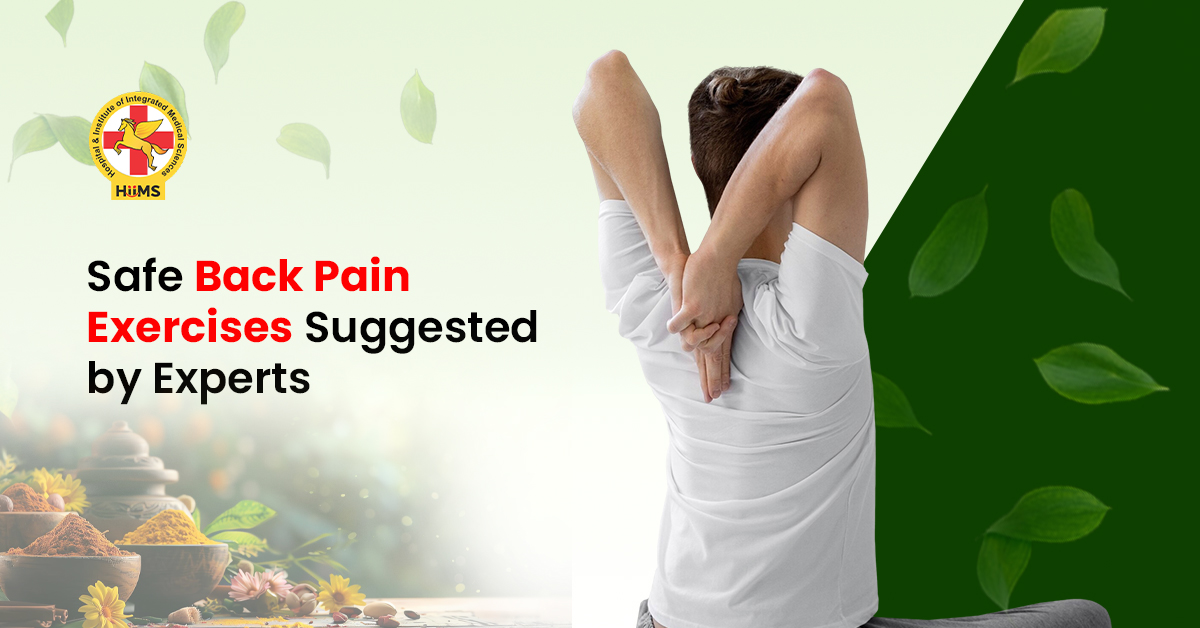
Back pain has become part of many people’s daily pattern because habits and work have shifted faster than our body can adapt. Sitting at a desk for long hours, leaning into screens, skipping meals, and living with restless sleep all change the way the spine carries weight.
When the body misses small signals like a moment of discomfort after standing or a slow increase in stiffness, those signals often get moved back and then the problem grows. Instead of complete rest, gentle and guided movement helps the spine keep circulation and strength without causing more harm.
In this blog, we focus on practical, expert-approved back pain exercises that anyone can follow safely at home or under a specialist’s supervision. You will learn how small, consistent movements protect the spine, when to slow down, and how natural care supports recovery. Read on to find clear, simple steps and the common therapies that help long-term comfort.
Understanding Back Pain Before Starting Exercises
Before beginning any routine, it is important to know the main back pain causes and how they affect movement. Often it’s a combination of prolonged sitting, poor posture, weak core muscles, and mild discomfort that results in tension.
When these things combine, movement becomes limited and circulation falls; starting exercises without this context can add strain instead of relief. A short assessment helps select suitable movements and clarifies specific back pain causes.
Why Experts Recommend Gentle and Safe Back Pain Exercises
Specialists advise against sudden, forceful moves because they can inflame joints and soft tissues already under pressure. Doctors and therapists suggest controlled back pain exercises that increase blood flow and gently lengthen tight tissue without disrupting spinal alignment. This slow, steady approach reduces setbacks while improving daily comfort.
Expert-Guided Principles for Safe Back Pain Exercises
Follow a few clear rules while doing that: move slowly and deliberately, match breathing to motion to relax muscles, and stop before extreme pain begins. Quality of movement matters more than quantity; small, correct repetitions often outwork hurried sets done wrongly, and this focus is essential to thoughtful back pain management.
Safe Back Pain Exercises Commonly Suggested by Experts
Choose movements that protect the spine and build support gradually.
- Gentle mobility drills like the Cat-Cow pose improve spinal lubrication and ease stiffness after long sitting spells; these are simple and safe to do several times a day.
- For lower back release, Knee-to-Chest and Pelvic Tilts loosen tight muscles and promote circulation.
- To build stability, Bridge Pose and Bird Dog exercises target glutes and deep abdominals, essential for back pain management and daily support.
- For relaxation and release, Child’s pose and a gentle Cobra pose lengthen the front body and soothe tension.
Start slowly and focus on steady form. For the Cat-Cow pose, move with your breath for three to five rounds; for the Knee-to-Chest exercise, hold each side for twenty to thirty seconds; the Bridge pose can be practiced in ten controlled extensions. Low-impact walking also helps when paired with these moves.
How Back Pain Exercises Support Long-Term Back Pain Management
Over months, consistent, gentle back pain exercises lower reliance on short-term relief and build a body that moves through daily tasks with less worry. The right routine restores muscle balance, improves posture without force, and helps prevent small injuries from becoming recurring problems, and everyday movement over time.
When Exercises Are Not Enough: Knowing When to Consult a Back Pain Doctor
If pain travels down the leg, causes numbness or sudden weakness, or does not improve with guided activity, seek specialist advice. A qualified back pain doctor can identify suspicious patterns, arrange tests if needed, and shape a plan so exercise remains a safe part of recovery.
Natural Back Pain Therapy Approach at Jeena Sikho HiiMS
- Jeena Sikho HiiMS blends movement with gentle traditional care because many people benefit from a combined approach.
- The Ayurvedic view links stiffness to a rhythm imbalance, and targeted back pain therapy works by warming and nourishing tissues.
- Therapies such as Kati Basti, Prishth Basti, Abhyanga, and Pinda Sweda use warm medicated oil and herbs to relax muscles, improve circulation, and reduce chronic tightness.
These treatments complement exercise practice and make back pain therapy more effective alongside movement.
Integrated Back Pain Management at Jeena Sikho HiiMS
The hospital focuses on individual assessment and a gradual plan that combines exercise, therapy, diet and lifestyle guidance. This personalised method treats root factors like posture, routine, and movement to restore balance and keep results steady over time.
Conclusion
A controlled, mindful approach gives the spine the best chance to recover. Practicing expert-approved back pain exercises with correct technique builds support, eases stiffness, and reduces the urge to rely on temporary relief. When these movements combine with simple lifestyle changes and, where helpful, natural back pain therapy, recovery becomes gradual and dependable.
If there are warning signs or persistent problems, a visit to a qualified back pain doctor will protect progress and guide next steps. Take small actions today, stay consistent, and seek personalised care when required, for guidance call +91 82704 82704 or email care@jeenasikho.com right away.

FAQs
Q1: What are the best home moves to start with?
Begin with gentle mobility like the Cat-Cow pose and Knee-to-Chest exercise, moving slowly and focusing on comfort rather than force.
Q2: How often should I do these exercises?
Aim for short daily sessions; consistent back pain exercises for ten to twenty minutes often work better than occasional long sessions.
Q3: Can natural therapies help with exercise recovery?
Natural back pain therapy such as warm oil treatments, Prishth basti, Pinda sweda, Kati basti, or abhyanga can support muscle relaxation and improve local circulation after exercise.
Q4: When is it time to see a specialist?
Consult a back pain doctor if pain spreads to the legs, causes numbness, or decreases strength despite guided care to avoid further harm.
Q5: Will exercise fix all back problems?
Exercise supports recovery and forms the core of back pain management, but some conditions need specialist assessment and tailored treatment.
