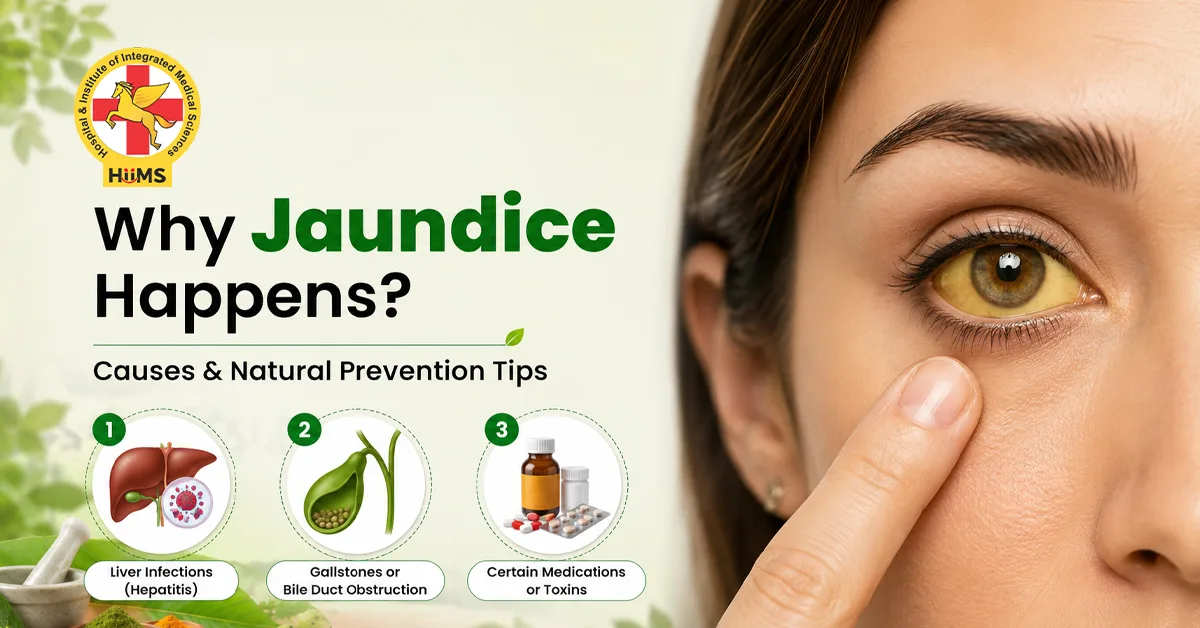

If you’ve ever noticed someone’s skin or eyes turning yellow, you already know what jaundice looks like. But most people never really understand why jaundice happens in the first place. It all comes down to one thing your liver is dealing with every single day: bilirubin.
When your liver can’t keep up with clearing it out, your body starts showing signs, and that’s when the yellow tint shows up. In this blog, we’ll break down the real reasons behind it, the jaundice symptoms to watch for, and whether it’s something you can support naturally at home.
Table of Contents
What is Jaundice Disease, Really?
So let’s talk about what jaundice disease actually means without all the medical jargon. Your body keeps breaking down old red blood cells; that’s normal and happens every day. This process makes a yellow pigment, bilirubin. Your liver’s job is to clear it out through urine and stool, and usually it does this without any drama.
But sometimes either too much bilirubin gets made at once, or the liver just can’t clear it fast enough. That is when it starts piling up in your blood, and your skin and eyes start showing that yellow tint everyone recognizes as jaundice.
Why Does Jaundice Happen in the Body?
So, why does jaundice happen exactly? It usually comes down to one of three things going wrong:
- Too many red blood cells are breaking down at once, giving the liver more bilirubin than it can handle
- The liver itself is inflamed, damaged, or not working properly
- Something is physically blocking the path bilirubin takes to leave the body, like a gallstone
Once you understand these three points, why jaundice happens stops feeling confusing. It’s really just a traffic jam somewhere between red blood cell breakdown and the final exit of bilirubin from your system.
Types of Jaundice You Should Know About
Doctors usually group jaundice based on where the problem starts. Knowing the types of jaundice can make it easier to understand what your doctor might be checking for:
- Prehepatic jaundice – happens before the liver even gets involved, usually due to fast red blood cell breakdown
- Hepatic jaundice – the problem sits inside the liver itself, often from infection or damage
- Posthepatic jaundice – a blockage after the liver stops bilirubin from draining out properly
Each of these types of jaundice needs a slightly different approach, which is why a proper check-up matters instead of guessing the cause on your own.
Liver Problems Causing Jaundice
A big chunk of jaundice cases trace back to liver problems causing jaundice. Hepatitis (A, B, or C), long-term alcohol use, fatty liver, and even certain medicines can put pressure on the liver’s ability to process bilirubin.
When the liver is inflamed or scarred, it simply can’t keep pace with its usual filtering job. This is one of the most common liver problems causing jaundice in adults, and it’s also why doctors often ask about diet, alcohol habits, and medicine history first.
Jaundice Symptoms to Watch Out For
Spotting jaundice symptoms early can make a real difference in how quickly things get managed. Some common signs include:
- Yellow tint on skin or the white part of the eyes
- Dark-colored urine
- Pale or clay-colored stools
- Constant tiredness or weakness
- Mild itching on the skin
- Loss of appetite
If you notice more than one of these jaundice symptoms together, it’s worth getting checked rather than waiting it out.
Bilirubin Levels in Jaundice – What Do They Actually Mean?
A lot of people get a blood report and don’t know what to make of it. So, what do bilirubin levels in jaundice really tell you? In a healthy adult, bilirubin usually stays low. Once it crosses a certain point, the yellow color becomes visible on the skin and eyes.
Higher bilirubin levels in jaundice don’t just tell you jaundice is present; they also give your doctor a clue about how serious the underlying cause might be and whether it needs urgent attention or can be managed gradually.
Jaundice Treatment – What Actually Helps?
When it comes to jaundice treatment, the approach depends completely on the root cause. If it’s from a viral infection, rest and supportive care usually help the liver recover on its own. If it’s from a blockage, that physical issue needs to be addressed directly.
Alongside medical care, many people also look at natural support: proper hydration, a liver-friendly diet, avoiding alcohol, and cutting down on processed or oily food. Jaundice treatment works best when it’s a mix of addressing the actual cause and giving the liver the rest it needs to heal.
Can Jaundice Be Prevented Naturally?
To a good extent, yes, especially when it comes to protecting your liver before problems start. A few simple habits go a long way:
- Avoid excessive alcohol and unnecessary medication
- Eat home-cooked meals instead of deep-fried, oily food
- Drink lots of water throughout the day
- Get the hepatitis vaccine where recommended
- Avoid eating raw food or street food from dirty places
These habits won’t guarantee anything on their own, but they do reduce the everyday load on your liver, which is often the first step in keeping jaundice away. Learn effective home remedies for jaundice and how Ayurveda can help promote liver wellness with guidance from Acharya Manish Ji.
Conclusion
Understanding why jaundice happens isn’t just about medical knowledge; it’s about knowing when your body is asking for help. If your skin or eyes have turned yellow, or your energy has dropped for no clear reason, don’t wait too long to get it looked at.
A quick check-up can save you from bigger liver trouble later. If you want to explore a natural, root-cause approach to healing, you can book a VOPD consultation with Jeena Sikho HiiMS and talk to our team about what’s really going on with your liver.

FAQ’s
Q1. Is jaundice itself a disease?
Not really, no. It’s more of a symptom, your body’s way of telling you something’s off with the liver, blood, or bile ducts.
Q2. Can jaundice just go away on its own?
In babies, quite often, yes. It settles down in a week or two most of the time. In adults, though, don’t just wait it out; get the cause checked.
Q3. Does jaundice mean liver damage for sure?
Nope, not always. It could be the liver, or it could just be red blood cells breaking down too fast, or a blockage somewhere. Depends on the person.
Q4. Any foods I should skip during jaundice?
Oily and fried stuff, mainly. Also cut back on processed food; your liver’s already got enough to deal with.
Q5. How long till someone recovers from jaundice?
It honestly varies a lot. Some people bounce back in a couple of weeks with rest and a decent diet; others take longer depending on what caused it in the first place.

Disclaimer: The information provided on this blog is for general educational and informational purposes only. It is not intended to replace professional medical advice, diagnosis, or treatment. Always consult a qualified healthcare professional before making any changes to your diet, lifestyle, or treatment plan. Individual results may vary.