
Psoriasis is not just a skin problem. It is something that starts deep inside the body and slowly shows on the skin. Many people feel confused when red, dry patches appear again and again, even after using creams. At first, it looks like a small issue, but later, it becomes a regular problem in daily life.
People often ask one common question. What really causes psoriasis? Why does it come back even after treatment? The answer is not simple, because psoriasis causes are linked with immunity, lifestyle, stress, and even family history. It does not happen overnight. The body gives signals slowly.
Understanding the real reasons behind this condition is important. It helps people notice early symptoms of psoriasis and seek help at the right time. With correct guidance from a trained specialist, the condition can be managed better. This blog explains psoriasis clearly and easily, so anyone can understand what is happening inside the body.
What is Psoriasis?
It is a long-term skin condition that is linked to the immune system. In a healthy body, skin cells grow and shed in a balanced way. In psoriasis, this process becomes very fast. New skin cells form quickly, but old ones do not fall off properly. Because of this, thick patches start building on the skin.
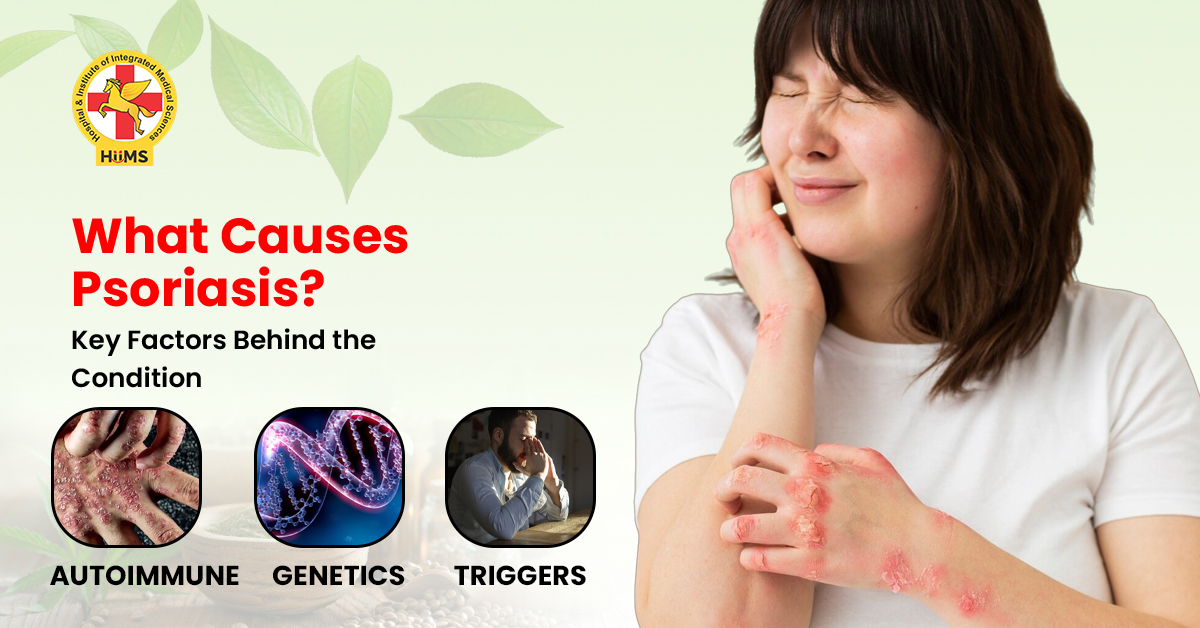
These patches are often dry, red, and itchy. Some people feel burning or discomfort. Psoriasis is not contagious. It does not spread by touch. Still, it can affect confidence and daily comfort.
Common Psoriasis Symptoms to Watch For
Many people ignore early signs. They think it is just dryness or an allergy. But early attention matters.
Some common psoriasis symptoms include:
- Thick, raised skin patches
- Redness with dry scaling
- Itching or burning feeling
- Cracked skin that may bleed
- Scalp flakes and dandruff-like layers
- Nail changes in some cases
Symptoms can appear on the elbows, knees, scalp, back, or nails. Every person experiences it differently.
Main Psoriasis Causes To Know
There is no single reason behind this condition. Psoriasis causes usually involve more than one factor working together. Some of the common causes include:
1. Immune System Imbalance
Psoriasis is mainly an immune-related condition. When the immune system becomes overactive, it sends wrong signals to skin cells. This causes fast skin growth and inflammation.
2. Family History
If someone in the family has psoriasis, the chances may increase. Genetics plays a role, though it does not mean everyone with a family history will develop it.
3. Stress and Emotional Pressure
Long-term stress affects immunity. Many patients notice flare-ups during stressful times. Mental pressure silently worsens skin health.
4. Infections
Certain infections, especially throat infections, can trigger psoriasis. The immune system reacts strongly, and skin symptoms may appear later.
5. Skin Injuries
Cuts, burns, or repeated scratching can activate psoriasis in that area. This is known as a trigger response.
Understanding these psoriasis causes helps in choosing the right care plan.
Lifestyle Factors That Make Psoriasis Worse
Daily habits also play a role, such as poor sleep, irregular meals, junk food, smoking, or alcohol, which can disturb digestion and immunity. Over time, this imbalance shows on the skin.
Cold weather and dry climate may also increase dryness and scaling. These factors do not create psoriasis but can worsen existing Psoriasis symptoms.
Why Psoriasis Is Different for Every Person
One important thing to understand is that psoriasis does not behave the same way in everyone. For some, symptoms stay mild. For others, flare-ups return often.
This happens because triggers differ from person to person. Food habits, stress levels, digestion, immunity, and daily routine all matter. That is why self-medication or random creams often fail.
A trained specialist studies these triggers before planning treatment.
Role of a Psoriasis Specialist in Proper Care
Managing psoriasis needs patience and understanding. A good Psoriasis specialist does not focus only on skin patches. They try to find what is disturbing the body inside.
Instead of short-term relief, the goal is steady improvement. The specialist may guide changes in diet, sleep, stress handling, and daily habits along with treatment.
Seeing a psoriasis doctor early can prevent frequent flare-ups and reduce discomfort over time.
Can Psoriasis Be Managed Naturally?
Psoriasis may not have a quick cure, but it can be managed. Natural and holistic approaches focus on improving digestion, calming immunity, and reducing internal inflammation.
Simple changes in food, routine, enough rest, and stress control support the healing process. Gentle therapies work slowly but steadily.
When care is planned properly, symptoms of psoriasis often become less intense and less frequent.
Conclusion
Psoriasis starts inside the body and shows on the skin. It is linked with immunity, lifestyle, stress, and family history. Knowing the real causes of psoriasis helps people take the right steps early. Ignoring symptoms only makes things harder later.
With guidance from an experienced Psoriasis specialist, psoriasis can be managed calmly and steadily. Early attention, simple habits, and correct care make a real difference. Healing takes time, but the body responds better when treated with patience and understanding.
FAQs
Q1: What is psoriasis?
It is a skin condition that causes itchiness and discomfort.
Q2: What are the symptoms of psoriasis?
Thick patches, itching, dry scaling, scalp flakes, or cracked skin that may bleed.
Q3: What are the causes of psoriasis?
Family history, skin injuries, infections, or immune-related conditions.
Q4. Can lifestyle changes help manage blood pressure?
Eating healthy food, drinking enough water, managing stress, and getting proper sleep support the immune system and help in managing psoriasis.
Q5: When should one visit a doctor for psoriasis?
If red, dry, or itchy patches start spreading or become painful, it is better to consult a doctor.
