
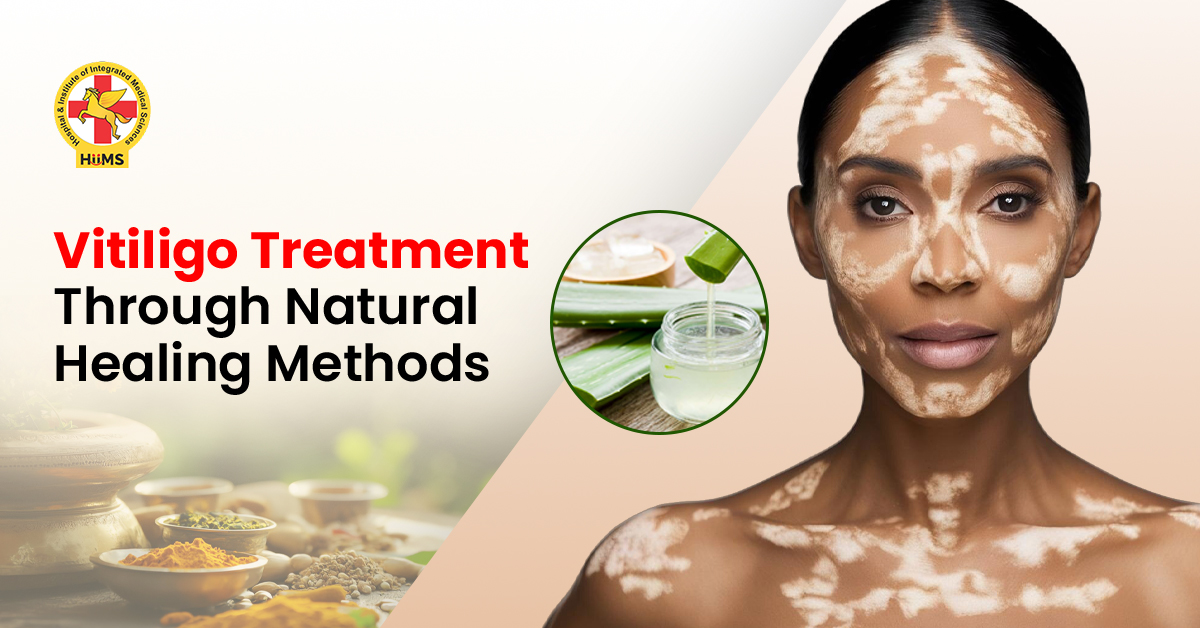
White patches on the skin can feel confusing at first. Many people notice them suddenly on the hands, face, around the eyes, or near the lips and assume they will fade with time. In some cases, they don’t, and slowly, the patches may spread or become more visible, and that’s usually when worry begins to set in.
Vitiligo, also known as leukoderma, is not only about changes on the skin; it usually reflects an imbalance developing inside the body rather than only a surface-level issue. Factors like digestion, immunity, stress, and toxin buildup can quietly play a role.
That’s why vitiligo treatment often shows better results when the focus moves away from creams and outer fixes and looks at bringing the whole body back into balance. Understanding vitiligo symptoms and vitiligo causes early can make a real difference. Noticing it early makes it easier to take the right steps, get proper support, and move forward with more confidence over the long run.
Vitiligo Disease – Key Symptoms
Leukoderma (vitiligo) is a skin condition in which certain areas gradually start losing their natural skin color. This happens when the cells that produce pigment stop working as they should. It is not something that spreads from person to person, but over time it can change the way the skin appears.
Some common signs people notice are:
- White or pale patches forming on the skin.
- Color changes around the eyes, lips, hands, feet, or other exposed areas.
- Hair in the affected areas turning white, including eyebrows or eyelashes.
- Mild dryness or sensitivity on those patches.
- New spots appearing gradually over weeks or even months.
Taking action early can make a difference. Vitiligo treatment usually shows better results when guidance starts early, before the patches spread, allowing both the skin and the body to adjust more smoothly.
Common Vitiligo Causes
There isn’t just one clear reason behind vitiligo. Everybody responds in its own way, but some commonly seen triggers include:
- Autoimmune reactions that affect the cells responsible for skin pigment.
- Family history or genetic tendency.
- Repeated skin injury, friction, or irritation.
- Long-term stress or emotional strain.
- Exposure to certain chemicals or environmental factors.
Knowing possible causes helps doctors choose treatment that suits the body, not just the condition.
Ayurvedic Approach to Vitiligo Treatment
At Jeena Sikho HiiMS, vitiligo management focuses on restoring balance from within. The goal is not a quick cover-up but steady skin recovery.
Detox Support: Panchakarma therapies are used to clear toxins and improve blood purity. This helps the skin become more receptive to herbal care.
Herbal Support:
- Turmeric is used to settle internal imbalance.
- Bakuchi supports the return of natural skin color over time.
- Neem and aloe vera help calm irritation and keep the skin comfortable.
Diet and Daily Habits
Fresh, home-style foods, seasonal fruits, vegetables, and meals rich in antioxidants are preferred. Managing the stress also matters. Light yoga, simple breathing exercises, or quiet daily routines can help, as stress often affects vitiligo symptoms.
Ayurvedic Oils Used in Care: Natural oils are applied gently and on a regular basis:
- Bakuchi oil to support gradual color return.
- Mustard oil mixed with turmeric to encourage natural melanin activity.
- Neem & Aloe-Based Oils: Keep skin calm and hydrated.
These oils work best when combined with internal care, not used alone.
Supporting Skin Healing from the Inside
Ayurvedic vitiligo treatment works by improving internal balance first. When digestion improves, immunity settles, and blood circulation becomes healthier, the skin often responds more positively. Gentle detox support helps clear internal waste, while herbal care works on restoring pigment activity step by step. This internal support makes the skin more receptive to oils, diet changes, and daily care routines.
Healing works best when given enough time, as regular care slowly helps the body come back into balance. When the body starts feeling lighter and more stable inside, the skin usually finds it easier to maintain balance and reduce the spread of new patches over time.
Conclusion
Vitiligo treatment works best when attention is given to the whole body, not just the skin. At Jeena Sikho HiiMS, treatment moves at a steady pace, using herbal support, detox therapies, food guidance, and simple lifestyle changes. Plans are reviewed and adjusted as the body starts responding.
Noticing white patches early should not be ignored. Taking guidance at the right time often helps improve results and confidence naturally. For consultation, call +91 82704 82704 or write to care@jeenasikho.com.

FAQs
1. What is vitiligo disease?
Leukoderma is a condition where pigment cells stop working properly, leading to white patches on the skin.
2. What causes vitiligo?
Autoimmune reactions, genetics, stress, or environmental factors may play a role.
3. Can vitiligo be treated naturally?
Natural care methods, including Ayurveda, focus on strengthening the body from the inside. Detox support, herbal remedies, oils, and small lifestyle changes are used to support skin balance over time.
4. How long does vitiligo treatment take?
Results can differ from person to person and often depend on how advanced the condition is, but staying consistent with the approach plays the most important role.
5. How can I consult a vitiligo specialist?
You can contact Jeena Sikho HiiMS online or by phone for personalized guidance.
