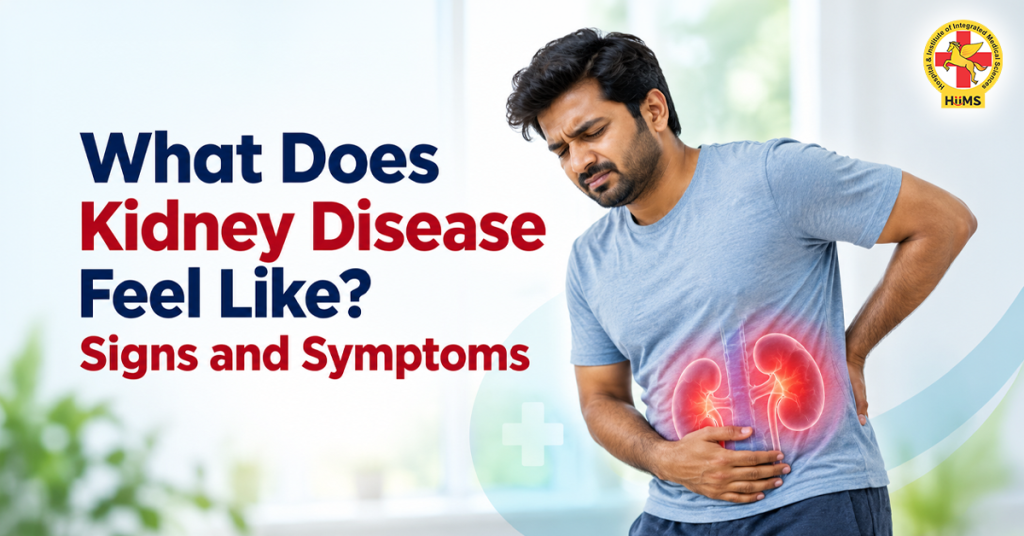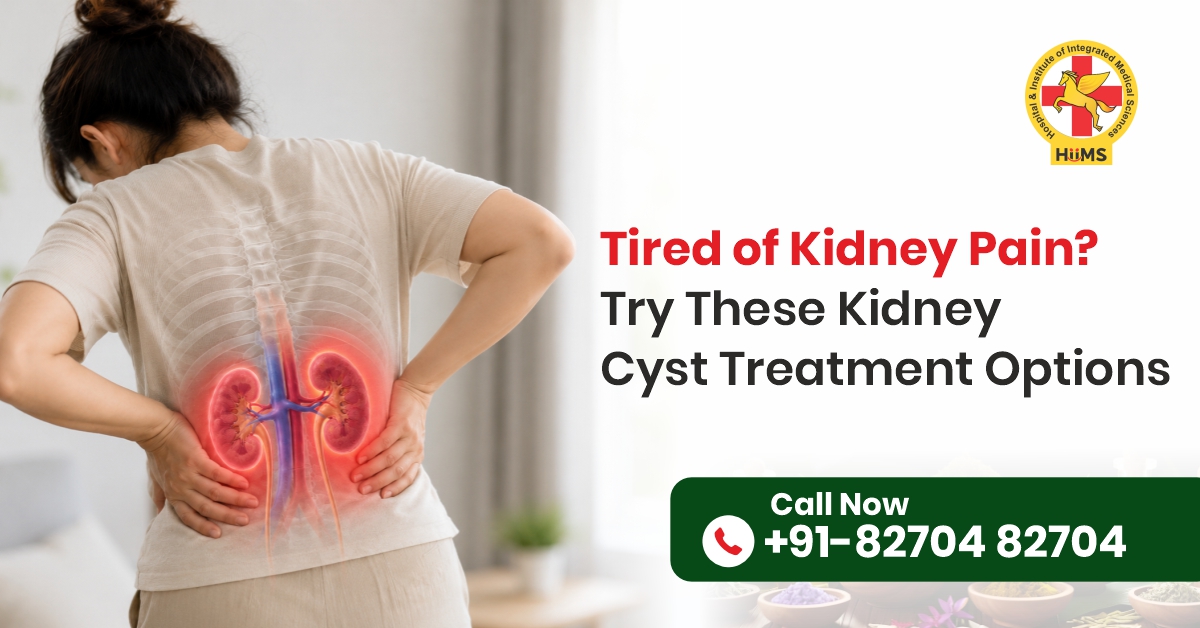

Kidney pain is one of those things that people try to ignore at first. It may start as a dull discomfort on one side of the back, then slowly become sharp or irritating at times. Many people don’t even realise that it could be linked to a kidney cyst.
In the beginning, symptoms feel mild, so it gets delayed. But when the pain starts repeating or getting stronger, people begin searching for kidney cyst treatment or looking for the best kidney doctor to understand what is actually going on.
This blog will help you understand the kidney cyst symptoms and what treatment options are usually considered.
Table of Contents
What is a Kidney Cyst?
A kidney cyst is basically a fluid-filled sac that forms in or on the kidney. Now here’s the important part: not every cyst is dangerous. Many people have small cysts and don’t even know about it. But problems start when:
- The cyst grows in size
- It starts pressing nearby areas
- Infection develops
That’s when discomfort turns into actual pain.
Common Kidney Cyst Symptoms
Some people may not feel anything at all. But when symptoms appear, they may include:
- Pain in the side or lower back
- Feeling of heaviness in the abdomen
- Fever (if infection is present)
- Frequent urination or discomfort
These kidney cyst symptoms can vary depending on size and condition.
Kidney Cyst Treatment Options
Treatment depends on how serious the condition is. Not every cyst needs treatment.
1. Pain Management
For mild discomfort, basic care is often suggested:
- Simple pain relief medicines
- Avoiding heavy strain
- Rest and hydration
Physicians are contraindicated to use for chronic periods of time certain medications that can compromise renal function
2. Minimally Invasive Procedures
A procedure might be required if the cyst enlarges or the pain worsens.
- One common method includes:
- Removal of the cyst with a needle.
- A method to stop it from filling again by once using a solution.
Generally this procedure is done under local anaesthesia and without the need for any surgical intervention.
3. Lifestyle and Home Care
Many people also focus on simple daily habits for support:
- Drinking enough water
- Reducing salt intake
- Eating light and balanced meals
All these steps may contribute to the good health of the kidneys.
A Natural and Supportive Approach
Some people also explore natural ways along with medical care.
At Jeena Sikho HiiMS, the approach usually combines diet, therapies, and routine correction.
The GRAD System at Jeena Sikho HiiMS
One of the key approaches followed is the GRAD system
It may sound technical, but the idea is simple reduce load on kidneys and improve circulation.
What it includes:
1. Head Down Tilt
A guided posture technique where body position helps improve blood flow toward kidneys. It is done under supervision, not randomly.
2. Hot Water Immersion
Warm water methods are applied to relax internal tension and promote blood circulation. Several individuals feel soothing especially in case of stiffness or whatsoever.
3. pH-Balanced Diet Plan
This is a structured eating pattern:
- Start with fruits and raw foods
- Then move to light meals
- Avoid heavy and processed items
Avoid heavy and processed items
The idea is to reduce internal load and support natural function.
Panchkarma and Detox Support
Along with GRAD, detox therapies are also used.
- Vamana (controlled detox)
- Basti (herbal oil-based therapy)
These are planned based on individual conditions, not the same for everyone.
Herbal Support
Some herbs are commonly used for kidney health:
- Punarnava – helps reduce swelling
- Gokshura – supports urinary system
- Varun – supports kidney function
These are not taken randomly. Proper guidance matters here.
When Should You See a Doctor?
Do not ignore symptoms if:
- Pain becomes frequent
- Cyst size increases
- Fever or infection appears
- Daily life gets affected
At that stage, consulting a best kidney doctor or visiting a best kidney hospital becomes important.
Conclusion
Although kidney cysts initially may seem not to be a big problem, treatment is essential as neglecting the symptoms will not improve an already worse condition. Kidney cysts treatment, appropriate advice and easy lifestyle modification will help to better control the condition.
If you need guidance, we offer VOPD consultation at Jeena Sikho HiiMS. Contact: +91 82704 82704 | care@jeenasikho.com so you can make a more informed next move.

FAQs
1. What are common kidney cyst symptoms?
Pain on the side, heaviness, and discomfort are often present.
2. Does every kidney cyst need treatment?
Small cysts possibly require observation.
3. What is effective kidney cyst pain treatment?
Steps to treat pain, rehydration and a variety of treatments if required.
4. When should I see a kidney doctor?
In cases where the pain is frequent or the symptoms worsen.
5. Can lifestyle changes help kidney cysts?
Could be for many reasons, but it makes good sense for most parts (mainly for the health of the kidney).
Ayurvedic Kidney Care Products
100% natural, certified Ayurvedic formulations crafted for targeted kidney wellness.



Disclaimer: The information provided on this blog is for general educational and informational purposes only. It is not intended to replace professional medical advice, diagnosis, or treatment. Always consult a qualified healthcare professional before making any changes to your diet, lifestyle, or treatment plan. Individual results may vary.