
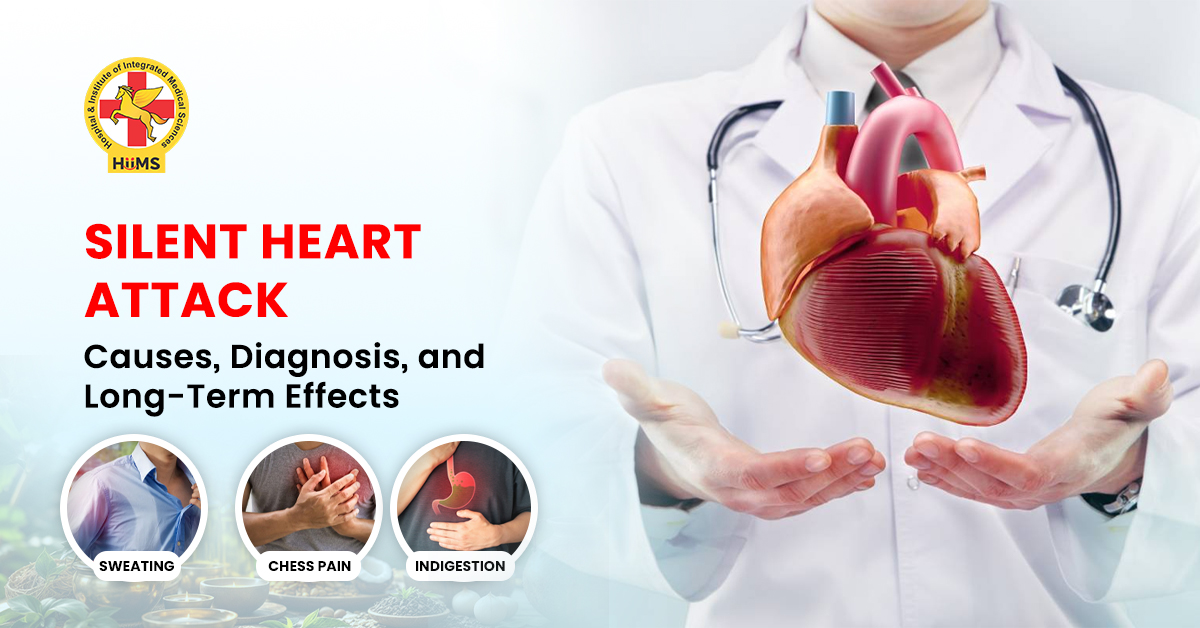
A silent heart attack sounds confusing to many people. A silent heart attack can be confusing for many people. Usually, heart attacks are expected to cause strong chest pain or sweating. But sometimes the signs are very mild or unclear, so they get ignored. Life moves on as usual, but the heart still gets damaged, and that is where the risk lies. Many people realise it only later, during a routine ECG or heart test.
You may notice tiredness, slight breathlessness, or discomfort, but it does not feel serious at that time. So treatment gets delayed. Over time, this hidden damage can affect heart strength and daily activity. People with diabetes, stress, or long-term heart disease are more at risk. Knowing the causes, signs, and long-term effects helps in acting on time. Right diagnosis and care help recovery and protect the future.
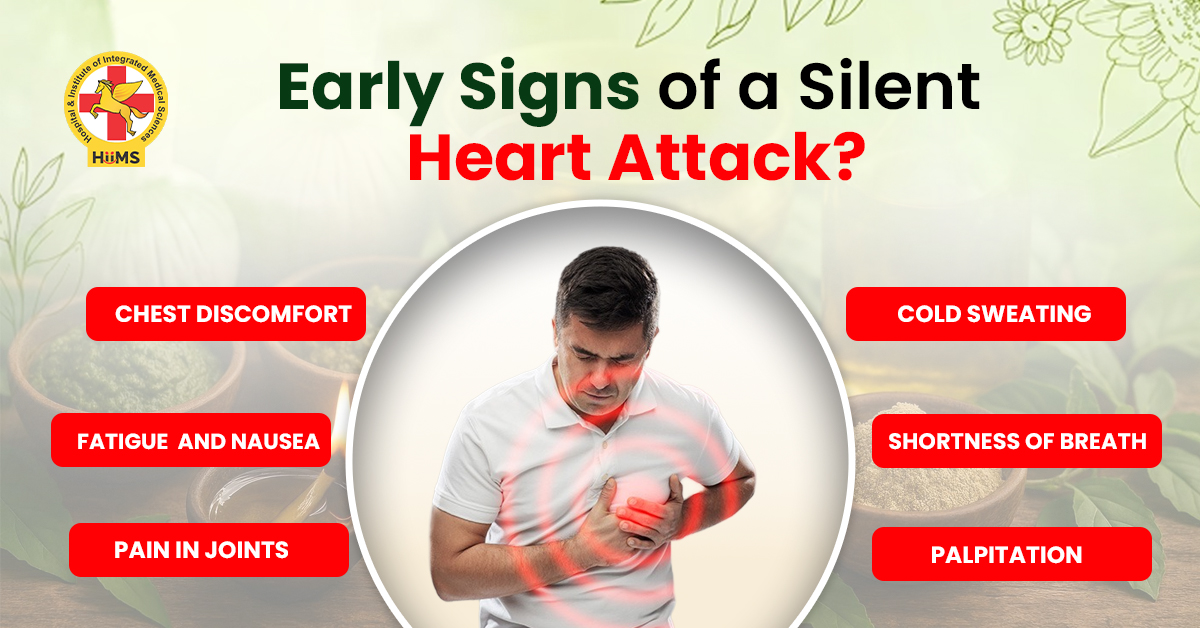
Key Symptoms of Silent Heart Attack
A silent heart attack does not always feel dramatic. Symptoms often appear mild and confusing.
- Unusual tiredness without clear reason
- Mild chest pressure or heaviness
- Shortness of breath during routine work
- Discomfort in jaw, back, or left arm
- Light sweating or nausea
- Feeling uneasy or weak
It is better to take them seriously, especially if risk factors are present.
Main Causes Behind Silent Heart Attacks
A silent heart attack usually develops due to long-term strain on the heart.
- Blocked or narrowed arteries
- Long-standing diabetes
- High blood pressure
- High cholesterol levels
- Smoking or stress
- Existing heart disease
When blood flow reduces slowly, the body adjusts. Pain signals become less clear. That is why the attack stays unnoticed.
How Silent Heart Attacks Are Diagnosed
Diagnosis often happens after the event has passed. Many people find out by chance.
Doctors use ECG, echocardiograms, or blood tests to detect old damage. Sometimes scar tissue is seen in imaging tests. Sometimes a stress test shows that the heart is not working as strongly as it should. If this is caught early, another attack can often be avoided. After diagnosis, heart attack treatment is planned to improve blood flow, protect the heart, and control the main risk factors. Regular monitoring then becomes important.
Long-Term Effects on the Heart and Body
Even without strong symptoms, a silent heart attack causes damage. This damage affects heart efficiency over time.
When the heart’s pumping ability reduces, breathlessness, leg swelling, and early tiredness during activity can appear. A silent heart attack also raises the risk of future heart-related problems.
Without timely management, complications such as heart failure or rhythm disturbances may develop. That is why follow-up and proper heart disease treatment are essential even if the first event felt mild.
Ayurvedic Support for Silent Heart Attack Recovery
Ayurveda supports recovery after emergency care or in high-risk individuals. The focus stays on strengthening the heart and correcting internal imbalance.
At Jeena Sikho HiiMS, treatment is personalised after careful assessment of digestion, stress levels, body constitution, and lifestyle factors. Herbs like Arjuna help strengthen heart muscles. Pushkarmool supports chest comfort. Amla improves blood vessel health.
Special therapies such as Hridaya Basti are also given during treatment. Warm medicated oil is placed over the heart area and kept there for some time. This helps calm the system, improves circulation, and supports heart strength naturally. Along with the therapy, gentle walking, light yoga, breathing exercises, and small diet changes are suggested.
Prevention Tips to Protect the Heart
Prevention matters a lot, more so in silent conditions.
- Eating fresh and light food daily keeps the system comfortable.
- Too much fried food or packaged snacks should be avoided.
- Even short daily walks support heart health.
- Breathing exercises help manage stress.
- Regular checks of blood pressure, sugar, and cholesterol are important.
- Smoking and excess alcohol should be avoided.
When these habits are followed regularly, the risk of silent heart attacks comes down and the heart stays healthier for longer.
Care Beyond Heart Conditions
Doctors here do not focus on only one illness. Along with silent heart attack care, they also manage other serious conditions. Treatment is provided for cancer, liver disorders, infertility, jaundice, digestive issues, and long-term lifestyle diseases. Each patient is evaluated carefully. The aim stays the same. Treat the root cause and support overall recovery, not just symptoms.
Conclusion
A Silent Heart Attack should never be taken lightly. Just because pain was less does not mean damage was small. Early diagnosis, regular follow-up, and proper care make a big difference. Choosing a trusted care centre helps in planning treatment the right way. At Jeena Sikho HiiMS, doctors focus on understanding the patient fully before guiding therapy. Treatment plans combine medical safety with long-term support. If risk factors exist or symptoms appear, consult a doctor early. Quick heart attack treatment protects the heart and prevents future issues.
Frequently Asked Questions
- What is a silent heart attack?
It is a heart attack with mild or unnoticed symptoms that often goes undetected initially. - Who is at higher risk?
People with diabetes, high blood pressure, stress, or existing heart issues are more prone. - Can silent heart attacks be cured?
Damage cannot be reversed, but proper treatment prevents further harm. - How is it detected later?
ECG, echo, blood tests, or scans often reveal past heart damage. - Can Ayurveda support recovery?
Yes, when guided properly, it supports heart strength and reduces future risks.
