
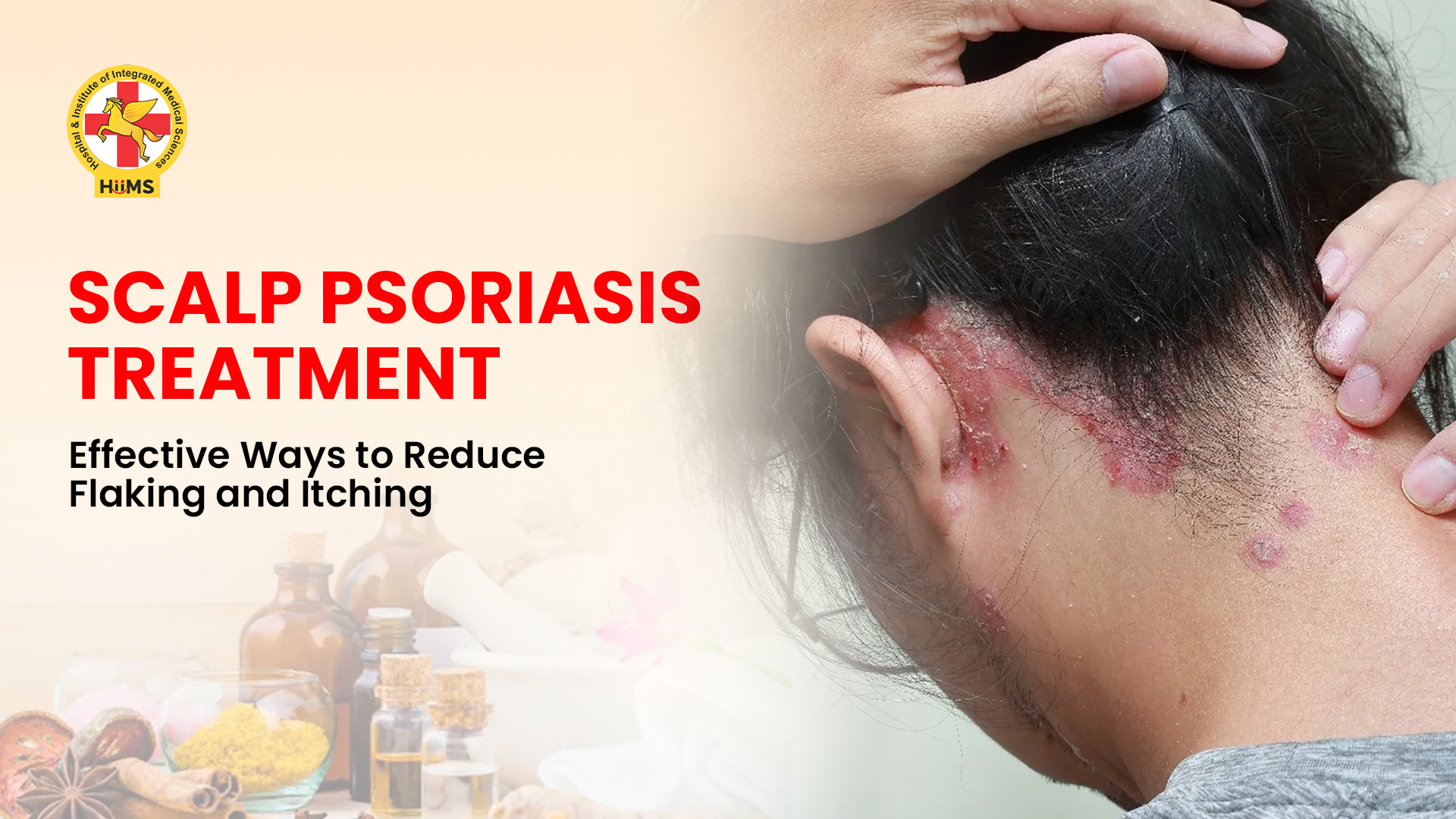
A lot of times, the scalp becomes dry, and tiny white flakes start showing up on the hair or shoulders. Initially, it might resemble ordinary dandruff, but when thick flakes develop and get shaped into patches, it might indicate scalp psoriasis. It is felt by some behind the ears, across the head, or close to the forehead. It can come slowly or appear after a weather change, lifestyle habits, or unknown triggers.
Once someone begins noticing these signs, it’s natural to wonder what to do and how to care for the scalp in the right way. Managing this condition takes patience, a calm routine, and steady habits rather than rushed steps. A thoughtful Scalp Psoriasis Treatment focuses on regular care instead of quick fixes. When researching psoriasis treatment, it happens to most individuals that small and regular steps are much more successful than complex methods. The gentle treatment, carefulness, and uncomplicated adjustments tend to simplify the process. This blog shares easy and practical ways to handle flaking and dryness, step by step, in a manageable way.
What Causes Scalp Psoriasis?
Scalp psoriasis happens when the skin builds layers quickly than needed. These layers remain on the surface instead of shedding normally. The patches may look white, silver, or reddish, depending on skin tone. The specific cause differs among individuals. Triggers might be stress, seasonal changes, food patterns, and cause the condition to manifest more severely.
The condition is more manageable to most when treated with tenderness, care, and organization.
Everyday Scalp Care Routine
1. How to Wash the Scalp Gently
A soft washing practice supports comfort better than aggressive scrubbing. Pressing or scratching may make the affected area look worse. A simple method works well:
- Use mild shampoos
- Wash with lukewarm water
- Massage slowly
- Pat the scalp dry instead of rubbing
- This routine becomes a helpful part of long-term scalp psoriasis treatment.
2. Oil Massage for Soothing Support
Warm natural oils like coconut, neem, or almond oil help soften thick patches. Applying oil before sleeping and washing it off the next day supports a calm scalp atmosphere. When the surface softens, flakes shed naturally without harsh rubbing.
For many people exploring treatment for psoriasis, this step becomes a gentle comfort.
3. Combing the Scalp Softly
Using a wide-tooth comb helps avoid irritation. Once the flakes soften, slow combing helps them detach naturally. Avoid peeling or forceful scraping, as that may harm the sensitive layers underneath.
4. Mind and Stress Connection
Many people notice that symptoms become stronger when mental pressure rises. Light movements, deep breathing, meditation, evening walks, or nature time may help maintain emotional stability and support everyday comfort during recovery.
Ayurvedic Approach for Scalp Psoriasis Treatment
Ayurveda sees scalp psoriasis as a deeper internal imbalance rather than only a surface concern. It is often linked with Vata and Kapha disturbance, along with heat trapped under skin layers. So the Ayurvedic psoriasis treatment focuses on internal balance, not only external flakes.
A steady Ayurvedic method includes herbal support, a mindful lifestyle, and food alignment. This process takes patience but supports long-term wellness when followed carefully.
Traditional Ayurvedic Oils and Herbs
Ayurvedic oils are widely used in this treatment because they offer gentle nourishment. Commonly used oils include:
- Neem oil
- Aloe-based oil
- Karanj oil
- Coconut oil infused with herbsHerbs like Turmeric, Manjistha, Brahmi, or Nimba are often used to support the scalp and skin layers.
Therapies Used in Ayurveda
When symptoms stay for a long time or spread widely, some people explore Panchakarma therapies. Common methods include:
- Abhyanga – Warm herbal oils are applied to nourish the scalp and support smoother circulation while softening dry patches.
- Swedana – Steam helps open skin pores and allows oils and herbal preparations to work more deeply, making the scalp feel calmer and more relaxed.
- Virechana – This process supports internal cleansing and balance, helping remove deep-seated toxins under expert supervision.These therapies are done under expert guidance and form a part of structured Ayurvedic treatment for psoriasis.
Food and Lifestyle Alignment in Ayurveda
Ayurveda encourages eating clean, warm, and natural foods to maintain digestion and steadiness. Many individuals avoid oily, processed, or fermented meals and notice better balance. A routine including fresh fruits, seasonal vegetables, whole grains, and enough water supports wellness.
Practices like yoga and slow breathing may also support Scalp Psoriasis Relief by calming triggers from within.
Conclusion
Managing scalp psoriasis takes patience, discipline, and gentle care. Instead of rushing, a slow and mindful routine brings steady change. A meaningful scalp psoriasis treatment combines proper washing habits, calm lifestyle choices, natural oils, and, when needed, Ayurvedic guidance. With consistent habits and awareness of triggers, many individuals experience comfort and smoother days ahead.
FAQs
- What makes scalp psoriasis different from dandruff?
Dandruff is lighter and falls easily, while psoriasis patches are thicker and layered. - Is scratching harmful?
Scratching can hurt the skin and make the patches spread more. - Can season changes affect scalp psoriasis?
It often gets worse in colder weather and feels calmer in warmer seasons. - Does hair fall happen because of scalp psoriasis?
Hair fall happens mainly from scratching or rough handling, not from damaged roots. - Can scalp psoriasis spread to other body areas?
It may appear on places like elbows or knees in some cases, based on personal triggers.