Heart problems are becoming very common these days. Many people hear the term “heart blockage“ and feel scared. Blockage in the heart should not be ignored, yet it can be handled well if diagnosed early. The heart functions through arteries that carry oxygen and important nutrients. When fatty deposits build up inside these arteries, they become narrow and limit proper blood circulation. Doctors refer to this condition as heart or coronary artery blockage.
Many people think surgery is the only option. Many patients ask, ‘Can heart blockage be treated without surgery?’ It truly depends on the stage of the condition. During the early phase, a healthy diet, active lifestyle, and holistic care may help improve heart health. At Jeena Sikho HiiMS Hospital, we follow natural healing methods that encourage the body’s natural power to recover. In this blog, we will discuss clearly what blockage of the heart means, its causes, symptoms, and how it can be managed naturally without surgery.
What Is Coronary Artery Disease (Heart Blockage)?
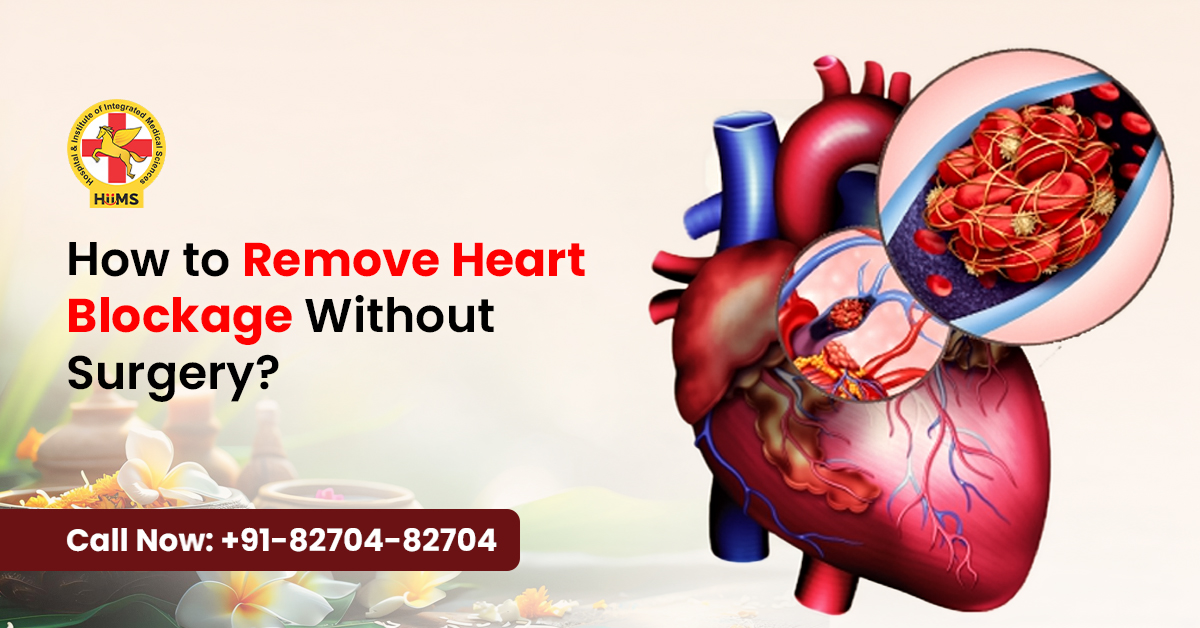
Coronary artery disease happens when the blood vessels that supply blood to the heart become narrow or blocked. This occurs when fat, cholesterol, and other materials gradually accumulate inside the arteries. This buildup is called plaque.
When plaque increases, it reduces the flow of blood to the heart muscles. If the blood flow becomes very low or stops suddenly, it can cause a heart attack. This narrowing of arteries is commonly called heart blockage.
This problem typically builds up slowly over time. In the beginning, a person may not feel any signs. But as the blockage increases, symptoms start appearing. That is why regular health checkups and a healthy lifestyle are very important.
People At Risk Of Heart Blockage
Some people have a higher chance of developing heart blockage. The common risk factors are:
- High cholesterol levels
- High blood pressure
- Diabetes
- Smoking
- Obesity
- Lack of physical activity
- An unhealthy diet with too much oil and junk food
- Family history of heart disease
People who live a stressful life and do not get enough sleep are also at risk. Age is another factor. Men above 45 years and women above 55 years have a higher risk.
Symptoms Of Heart Blockage
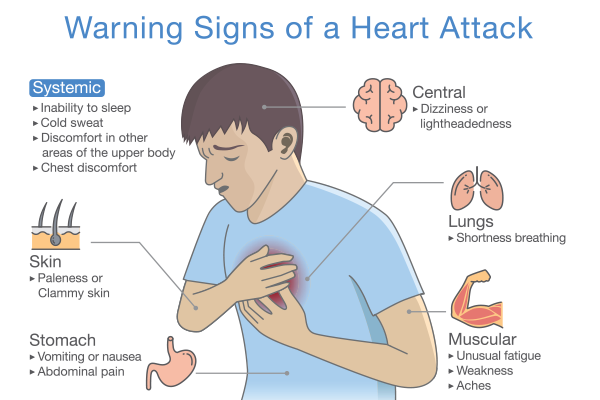
The symptoms of heart blockage may differ from person to person. Some common signs include:
- Chest pain or tightness (angina)
- Shortness of breath
- Feeling tired easily
- Pain in arms, neck, jaw, or back
- Irregular heartbeat
In certain cases, a heart attack may be the very first noticeable sign. That is why it is important to notice early symptoms. Understanding the symptoms helps in early detection and better management.
Reasons For Heart Blockage
There are many reasons behind the blockage of the heart. The primary reason is the accumulation of fatty substances inside the arteries. This process is called atherosclerosis.
Some common reasons are:
- Eating too much fried and processed food
- Lack of exercise
- Smoking and alcohol
- High stress levels
- Uncontrolled diabetes and high blood pressure
When a person follows an unhealthy lifestyle for many years, plaque slowly builds up in the arteries. Over time, it leads to narrowing and blockage.
The good part is that early stages can be controlled with proper lifestyle changes and natural therapies.
Treatment Options for Managing Heart Blockage in a Safe and Natural Way
Many people feel anxious after hearing about a coronary artery blockage. They often assume that strong medicines or major procedures are the only solutions available. However, in many early cases, natural ways to reduce heart blockage can also support managing the condition. These approaches work by improving the body from within instead of offering only short-term relief. Their goal is to enhance blood circulation, manage cholesterol levels, and gradually strengthen the heart muscles in a steady manner.
Natural Methods May Include:
Following a healthy and balanced diet
Doing regular exercise like walking and yoga
Managing stress through meditation and deep breathing
Taking herbal support under expert supervision
Undergoing detox therapies to remove toxins
The main benefit of natural care is that it improves overall well-being along with heart health. It supports digestion, helps maintain body balance, and promotes healthier daily habits. With proper guidance and regular monitoring, natural methods can assist in maintaining heart health in a safe and consistent way.
How To Remove Blockage Without Surgery?
The good news is that mild blockage can often be managed naturally. With proper guidance, certain therapies may help improve heart function without surgery.
1. Ayurvedic Treatment for Heart Blockage
Ayurvedic treatment for heart blockage addresses the main cause rather than only the symptoms. It focuses on improving digestion and removing internal toxins that raise cholesterol.
This approach includes:
- Herbal medicines prepared from natural ingredients
- Therapies that improve metabolism
- Remedies that support better blood circulation
- Balancing Vata, Pitta, and Kapha doshas
Such treatment supports gradual heart strengthening and overall balance.
2. Panchakarma Treatment for Heart Blockage
Panchakarma treatment for heart blockage helps cleanse the body deeply. It is designed to remove toxins that disturb healthy circulation.
It helps by:
- Detoxifying the body internally
- Improving digestion and metabolism
- Supporting smooth blood flow
- Reducing internal inflammation
After detoxification, the heart can function with better efficiency.
3. Hridya Basti Therapy
Hridya Basti is an Ayurvedic procedure focused on heart wellness. Warm herbal oil is retained over the chest area for a specific duration.
This therapy supports:
- Relaxing the chest muscles
- Improving blood circulation to the heart
- Balancing Vata, Pitta, and Kapha
- Reducing emotional stress
It provides nourishment to the heart region and supports emotional stability.
Healthy Lifestyle Habits to Support Heart Health Naturally
Along with treatments, daily lifestyle habits are equally important for heart care. Making simple changes in routine can prevent the progression of coronary artery blockage and support lasting improvement.
1. Healthy Diet
Nutritious meals help balance cholesterol and improve circulation.
- Eat fresh fruits and green vegetables
- Choose whole grains and nuts
- Avoid fried, oily, and processed food
- Reduce salt and sugar intake
- Include garlic, flaxseeds, and oats in your meals
2. Regular Exercise
Exercise keeps the heart fit and functioning properly.
- Brisk walking for 30 minutes daily
- Light yoga and stretching
- Simple breathing exercises
3. Stress Management
Managing stress is necessary for a healthy heart.
- Practise meditation
- Do deep breathing daily
- Maintain a balanced routine
4. Weight Control
Healthy weight management protects the heart from extra strain.
- Avoid overeating
- Stay physically active
- Monitor your weight regularly
When followed consistently, these natural habits and therapies can strengthen heart health and help manage the blockage of the heart gradually.
Conclusion
Ignoring heart issues can lead to serious consequences. Heart blockage progresses slowly, but without timely treatment, it may become life-threatening. The encouraging news is that early detection allows it to be managed through simple daily habits and natural healing methods. Nutritious food, consistent physical activity, stress reduction, and proper supervision are key factors.

Ayurvedic treatment for blockage helps address the underlying cause and build overall wellness. If you see any symptoms, seek proper medical advice right away. Taking early steps can help you maintain a healthy heart and a better quality of life.
FAQs
- What is heart blockage?
It is a condition where the arteries supplying blood to the heart become narrow due to fat buildup. - Is the blockage of the heart a serious condition?
Yes, if left untreated, it can lead to severe complications like a heart attack. - Can early-stage blockage be managed naturally?
In mild cases, lifestyle changes and supportive therapies may help improve heart health. - What causes arteries to become narrow?
Fat, cholesterol, and other substances collect inside the arteries over time. - Who is more likely to develop this condition?
People with high cholesterol, diabetes, high blood pressure, or unhealthy habits are at higher risk.