The heart pumps blood nonstop, even while we sleep. When blood flow slows or gets blocked, extra pressure develops on the heart. This condition is commonly known as heart blockage and is now seen in many people at an early age.
Today’s lifestyle plays a major role in this problem. Heart health slowly gets affected by long working hours, irregular meals, stress, low physical activity, and poor digestion. Many people feel fine for years and miss early discomforts. At Jeena Sikho HiiMS, heart problems are treated with a long-term natural approach, focusing more on the root cause and less on temporary relief.
Understanding Heart Blockage: A Growing Health Concern
Heart blockage is now seen more often, even in people who feel they are healthy. It does not develop suddenly. The process happens slowly inside the body, often without clear warning signs in the beginning.
Most people come to know about the problem only after experiencing chest discomfort, breathlessness, or weakness. Natural systems like Ayurveda focus on identifying early imbalances in digestion, circulation, and stress levels. At Jeena Sikho HiiMS, heart health is understood as a balance of physical, mental, and digestive strength.
What Is Heart Blockage?
Heart blockage forms when fat and waste collect in heart arteries. These arteries must stay open to supply blood to the heart muscles.
When these deposits increase, the arteries slowly become narrow. Blood flow reduces, so the heart works harder. In the early stage, a person may not feel anything serious. Over time, symptoms slowly begin to appear, especially during physical effort.
How Heart Blockage Develops in the Arteries
In a healthy body, arteries remain flexible and clean. Poor food habits, stress, smoking, lack of exercise, and weak digestion cause unhealthy fats to stick to artery walls. Slowly, these walls become thick and stiff.
When blood flow reduces, the heart has to struggle more. People may notice chest pressure, pain while walking, or tiredness even during simple work. If this is ignored for a long time, it can lead to serious heart disease.
Difference Between Partial and Complete Heart Blockage
Partial blockage means the artery is narrowed but not fully closed. Blood still passes, though in reduced quantity. Symptoms may appear occasionally and then disappear, which is why many people ignore this stage.
Complete blockage is more serious. Blood flow stops suddenly and may cause a heart attack. Natural heart care mainly focuses on managing partial blockage early, so it does not progress to a dangerous stage.
Heart Blockage Treatment Without Bypass Surgery
Watch the video for complete guidance, expert insights, and real patient testimonials.
Common Causes of Heart Blockage
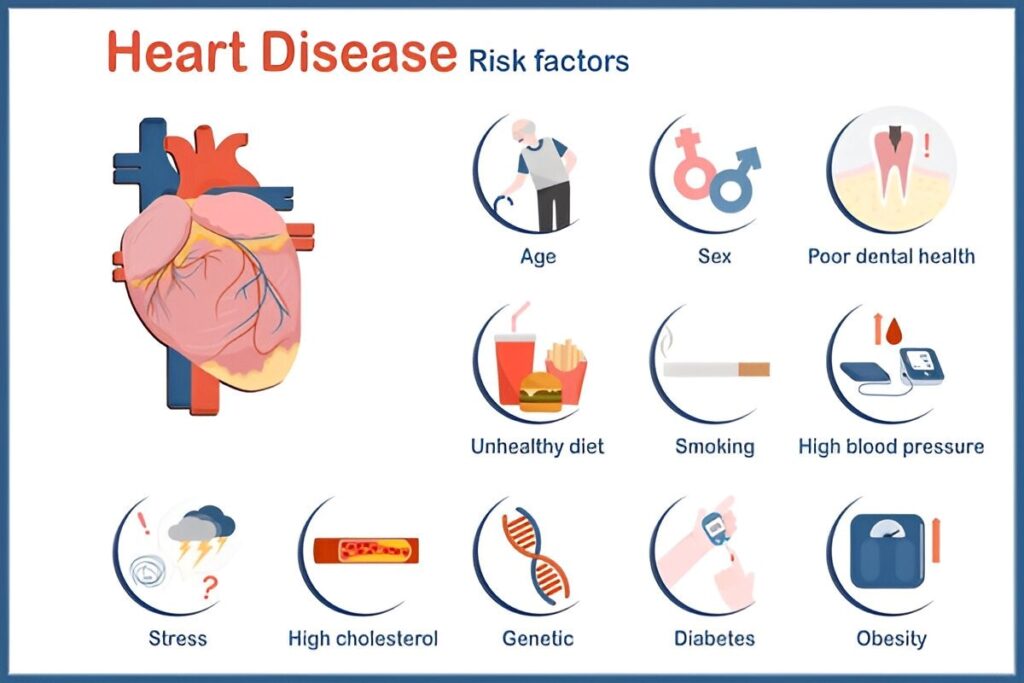
Heart blockage develops due to multiple daily habits and internal imbalances. Some common causes of heart blockage include:
- Unhealthy Diet
Excess oil, fried food, processed items, and sugar increase fat deposits in the arteries. - High Cholesterol
Bad cholesterol sticks to artery walls and slows down blood circulation. - Long-Term Stress
Mental stress tightens blood vessels and disturbs heart rhythm. - Lack of Physical Activity
Sitting for long hours slows metabolism and weakens circulation. - Smoking and Alcohol
These damage the inner lining of arteries and speed up blockage formation.
Early Warning Signs of Heart Blockage You Should Not Ignore
The body gives signals when the heart is under pressure. Some common warning signs of heart blockage are seen in daily life, such as:
- Chest pain or pressure, mainly during physical activity
- Difficulty in breathing with mild exertion
- Persistent tiredness without clear cause
- Sudden sweating without exertion
- Irregular or rapid heartbeat
Delaying attention to these signs raises health risks
How Can Heart Blockage Be Treated Naturally?
Natural treatment works by improving circulation, reducing fat buildup, and calming the heart. It does not promise instant results, but focuses on gradual healing.
Ayurveda looks closely at digestion, metabolism, and emotional balance. When digestion improves, toxins reduce. When stress lowers, blood vessels relax. This combined approach helps control heart disease slowly and safely, without putting stress on the body.
Natural Ways to Manage and Reduce Heart Blockage
Certain daily practices play an important role in maintaining heart health:
- Consuming fresh, home-cooked meals
- Walking daily at a comfortable speed
- Practicing gentle yoga and slow breathing
- Maintaining proper sleep timing
- Managing emotional stress
Though simple, regular practice of these habits helps reduce stress on the heart.
Ayurvedic Treatment for Heart Blockage at HiiMS
Ayurveda focuses on detoxification, digestion correction, and restoring balance. At Jeena Sikho HiiMS, heart care therapies are planned carefully as per the patient’s condition.
- Hridaya Basti
A dough ring is placed on the chest area, and warm herbal oil is poured inside it. The warmth goes deep into the heart region, improves blood circulation, and relaxes heart muscles. Many patients feel relief from heaviness and tension. - Panchakarma Therapy
Panchakarma helps remove deep-seated toxins that disturb circulation and metabolism. These therapies are done only under medical supervision.- Vamana
Used to remove excess mucus and toxins from the upper body. It helps improve circulation and reduce heaviness when advised by doctors. - Virechana
Helps cleanse the liver and improve digestion. Better digestion reduces fat accumulation in arteries over time. - Basti
By acting through the colon, it helps balance metabolism, calm the nervous system, and support heart strength while lowering stress.
- Vamana
Remedies for Heart Blockage
Some herbs are traditionally used to keep the heart healthy:
- Arjuna supports heart strength and improves circulation
- Amla helps manage cholesterol and digestion
- Garlic helps blood flow better and reduces fat deposits
Eating fresh fruits, vegetables, whole grains, and nuts also helps recovery. It is better to avoid processed and packaged foods.
PoEM Protocol: A Natural Approach to Managing Heart Blockage
PoEM stands for Panchakarma, diet, emotional balance, and medicines. This approach works step by step.
Panchakarma cleanses the body. Diet corrects digestion. Emotional balance reduces stress load on the heart. Medicines support healing. At Jeena Sikho HiiMS, this protocol is followed in a structured and safe manner.
How to Prevent Heart Blockage Naturally
Prevention is always better than treatment. Small daily habits protect heart health.
Eating meals on time, staying physically active, managing stress, and maintaining a healthy weight help catch problems early. Regular check-ups also protect against serious heart disease.
Conclusion
Heart blockage does not develop overnight. It increases slowly because of daily habits, stress, and poor digestion. When early signs and causes are understood, care can start on time.
Ayurveda works on healing the body from the inside. With right guidance and lifestyle changes, heart health can improve naturally. Choosing the right heart disease treatment helps maintain long-term health and lowers the risk of complications.

FAQs
Q1. Can heart blockage be reversed naturally?
Early-stage blockage can be managed and reduced with proper natural care.
Q2. Is surgery always required for heart blockage?
No, mild and moderate cases can often be managed without surgery.
Q3. How long does natural treatment take?
Improvement happens gradually and depends on lifestyle and discipline.
Q4. Does stress affect heart blockage?
Yes, long-term stress directly affects heart health.
Q5. Is Ayurveda safe for heart disease?
Yes, when done under expert medical supervision.