
A woman may notice a few but unusual changes in her body, like weight behaving differently, hair losing strength, low energy even after rest, or mood shifting without a clear reason. These signs can feel confusing because they don’t appear suddenly; they build slowly and quietly over time. Once it occurs, it is natural to question what the body is attempting to communicate and why such changes are occurring with no significant change in lifestyle.
As the questions become stronger, the focus often shifts toward understanding the causes of thyroid in females, because this small gland affects almost every function in the body. Recognising symptoms early and knowing what may trigger thyroid imbalance gives a sense of clarity and direction. With the right knowledge and a good thyroid doctor at Jeena Sikho HiiMS, the cycle is not so daunting and more guided, which is how it should be.
Main Causes of Thyroid in Females
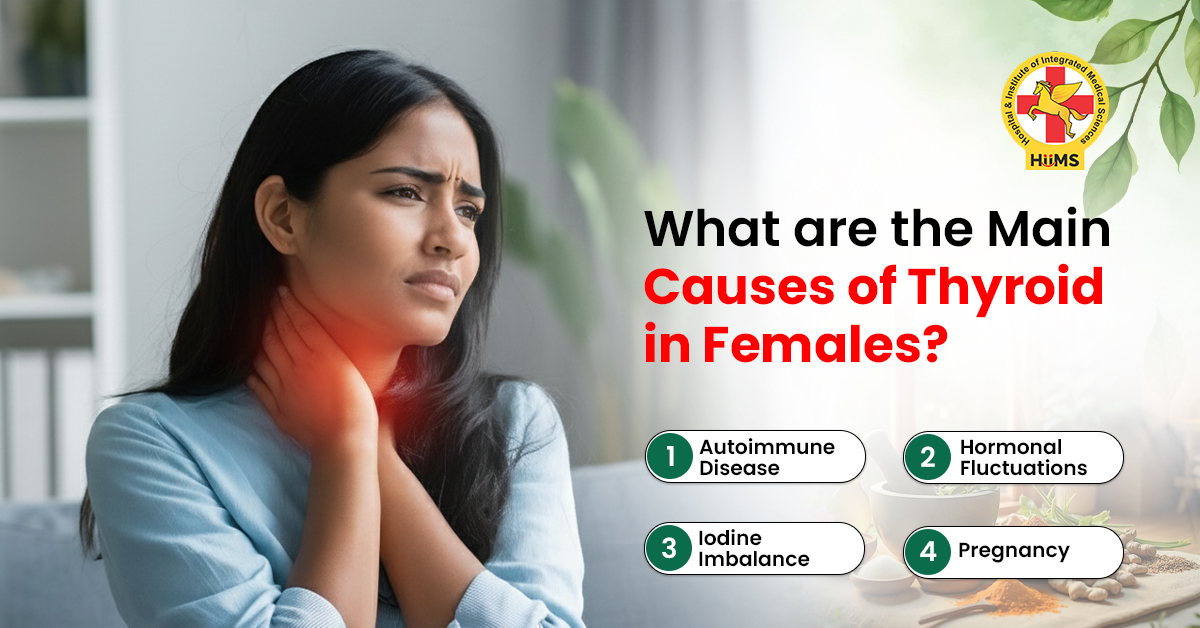
The causes of thyroid in females are associated with internal and external causes. Their knowledge helps clarify them and makes conscious life decisions.
1. Hormonal Shifts
Women naturally experience hormonal waves throughout life. Puberty, pregnancy, and menopause can influence thyroid hormone levels. After childbirth, some women experience postpartum thyroid imbalance.
2. Autoimmune Response
Hashimoto’s thyroiditis is a key reason behind thyroid underactivity. In this condition, the immune system mistakenly attacks thyroid tissues. The chances are increased in an environment with a family history of autoimmune issues.
3. Stress and Lifestyle
Chronic stress impacts the hormone levels, rest, metabolism, and the digestive system. Slowly, these changes may disrupt thyroid function, especially if sleep and diet are irregular.
4. Nutritional Gaps
Deficiency of iodine, selenium, zinc, or iron may interfere with hormone formation. Those with restrictive diets or poor gut health are more likely to face these deficiencies.
5. Genetics
If close family members have thyroid imbalance, the tendency increases. Genetics does not mean certainty, but it increases sensitivity.
Thyroid Treatment Approach
Every person’s thyroid journey is different, so the approach cannot be the same for all. A plan usually depends on reports, symptoms, age, and how long the issue has been there. A thyroid doctor may first study the test results and then decide the next steps. The key idea is to move slowly and carefully without rushing the process.
Ayurveda is aimed at restoring natural harmony through the use of herbs and alignment with daily routine.
- Herbal Kadha:
Made using Tulsi, Giloy, Neem, Amla, Haldi, and Kali Mirch. It may be taken regularly for steady support. - Ashwagandha:
Known for calming the mind and supporting steady hormones. - Triphala:
Helps digestion and supports detox, which contributes to thyroid balance. - Warm Water with Lemon:
Helps metabolism function smoothly and supports overall wellness.
These Thyroid Home Remedies could be performed regularly as a natural form of mild support.
Yoga for Thyroid
Yoga helps in blood circulation, relaxes the nervous system, and it can contribute to the maintenance of hormone stability when exercised regularly.
- Vajrasana (Diamond Pose):
Helps digestion and may indirectly help thyroid balance when held for 10–15 minutes after meals. - Bhujangasana (Cobra Pose):
Gently stretches the neck and chest where the thyroid sits. Practicing it with steady breathing is helpful.
Regular yoga practice builds strength, calmness, and balance, especially when paired with mindful living.
Diet and Lifestyle Tips
Simple dietary and lifestyle habits play an important role in thyroid management:
- Sit in Vajrasana while eating
- Start mornings with leafy greens such as coriander, radish leaves, or mustard leaves
- Eat fruits before breakfast
- Keep regular meal and sleep timings
- Avoid dependency on medicines without monitoring lifestyle and nutrition
Consistency matters more than intensity. Slow, steady practice creates long-term stability.
When to Consult a Specialist?
Some women try to manage symptoms on their own for a long time, hoping things will settle naturally. However, when fatigue, sudden changes in weight, loss of hair, abnormal cycles, or mood swings are persistent even after a normal routine checkup, then it is prudent to seek the advice of a thyroid specialist to determine the cause. The basic type of tests, such as TSH, T3, and T4, can provide a more detailed picture of what is taking place within the body.
Women who are expecting, recently delivered a baby, or going through menopause should stay extra aware because these phases can influence thyroid balance. Speaking with an experienced thyroid doctor at the right stage brings reassurance and helps create a plan that feels realistic, steady, and suited to individual needs. At centres like Jeena Sikho HiiMS, guidance is provided in a calm and structured manner, helping women understand their condition and move forward with clarity.
Conclusion
Thyroid imbalance is common in women because life stages, food habits, stress, and family history can influence the gland. Knowing the causes of thyroid in females helps in recognising signs instead of ignoring them. Simple steps like yoga, basic home remedies, and steady routines may support better thyroid balance over time. Regular examinations and proper advice from a thyroid specialist can bring sanity and aid in monitoring the progress in a realistic manner. Having healthy habits and being consistent usually provides a stable direction toward a long-term balance and less challenging thyroid activity.

FAQs
1. What are early signs of thyroid issues in females?
Some common signs include hair thinning, dry skin, weight changes, irregular periods, and low energy.
2. Is testing needed if symptoms are mild?
Testing can help confirm whether the thyroid is involved or if the symptoms come from another reason.
3. Can yoga support thyroid balance?
Certain yoga poses may support better circulation and help the body stay calmer.
4. Which nutrients help the thyroid?
Iodine, zinc, selenium, and iron are considered supportive for thyroid activity.
5. Does thyroid imbalance affect mood?
Mood swings, irritation, or low interest in daily tasks can happen in some cases when thyroid hormones are not stable.