
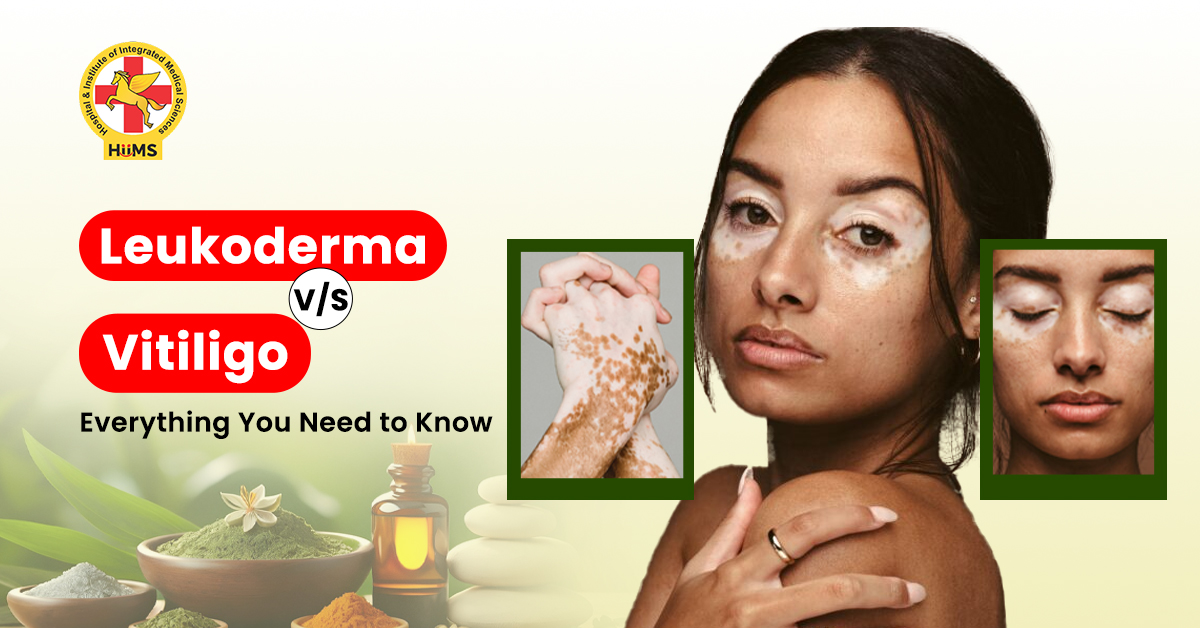
White patches often cause concern, mainly when they are described using different terms for what looks like one condition. Many people hear the words leukoderma and vitiligo and assume they refer to two completely different diseases. This confusion often leads to delay, unnecessary stress, or the wrong approach to care. In reality, leukoderma and vitiligo are closely related, but there are clear differences in how they begin, how they spread, and how they are usually managed.
White patches don’t always start on their own. Sometimes they come after a burn or injury. In some people, the patches come slowly, without warning. Since this does not happen the same way for everyone, understanding the condition matters. Early clarity helps people choose the right leukoderma treatment or vitiligo treatment instead of waiting or trying random remedies based on incomplete information.
This blog explains leukoderma vs. vitiligo in simple language. It covers common causes, visible symptoms, treatment approaches, and signs that indicate when it is time to consult a doctor, helping readers make informed and timely decisions about their skin health.
What Are Leukoderma and Vitiligo?
Leukoderma is a condition where the skin gradually loses its color, and white patches start becoming visible. The word itself means white skin. In many cases, it develops after a clear trigger or some kind of skin problem. These patches are often seen after:
- Burns or injuries .
- Repeated friction or pressure on the skin .
- Chemical exposure.
- Certain skin infections.
- Long-standing inflammation.
Leukoderma patches generally remain localized instead of spreading rapidly. The condition is commonly considered acquired, meaning it develops later in life due to external or internal factors. This is why many people search for leukoderma causes after noticing white patches appear at the site of a previous injury or skin problem.
Vitiligo, on the other hand, tends to be more closely related to internal imbalance within the body. Vitiligo happens when the immune system affects the cells that give skin its color. This causes white patches to form on the skin. It may develop suddenly or slowly, usually on both sides of the body in a similar pattern, and can also make the hair in those areas turn white.
When people ask what causes vitiligo, common factors include:
- Immune imbalance.
- Family history or genetic tendency.
- Ongoing stress.
- Ongoing digestive or metabolic issues.
Vitiligo can begin at any age and may progress slowly if not guided properly.
Leukoderma vs Vitiligo: Key Differences
Although both conditions involve white patches, there are clear differences:
- Cause
Leukoderma often starts after skin injury, burns, chemicals, or inflammation.
Vitiligo is usually linked to immune imbalance and internal factors. - Spread
Leukoderma may remain localized.
Vitiligo can spread to different parts of the body. - Pattern
Leukoderma patches often appear at the site of damage.
Vitiligo patches may appear symmetrically on both sides.
- Progression
Leukoderma progression is often slow and limited.
Vitiligo progression varies and may continue without proper care.
Because of these differences, the approach to leukoderma treatment and vitiligo treatment is also slightly different.
Common Symptoms to Watch For
Both conditions usually show similar surface signs:
- White or light-colored patches on the skin.
- Clear borders between normal and affected skin.
- No itching or pain in most cases.
Vitiligo may also include:
- White hair on scalp, eyebrows, or beard.
- Patches inside the mouth.
- Gradual increase in patch size or number.
Early identification makes treatment planning easier.
How Leukoderma and Vitiligo Treatment Is Approached
At Jeena Sikho HiiMS, leukoderma doctors first study body type, digestion, routine, and lifestyle. Detox therapies like Panchakarma may be planned when needed, along with herbal support and external applications to support gradual skin recovery. This combined approach focuses on internal balance and long-term discipline rather than quick fixes.
Leukoderma treatment with the right Leukoderma medicine usually includes identifying possible triggers such as injury to the skin, chemical exposure, infections, or long-term irritation.
Vitiligo treatment takes a broader view because it is linked to internal immune imbalance. Guidance often focuses on supporting immunity, improving digestion and metabolism, reducing long-term stress, and maintaining regular daily routines. Since vitiligo progresses slowly, consistency is important.
When Should You See a Doctor?
You should consult a specialist if:
- In some cases, white patches can appear quite suddenly.
- Patches start spreading.
- Hair in the area turns white.
- There is emotional stress related to appearance.
- Home remedies are not helping.
A proper evaluation helps decide whether the condition is leukoderma or vitiligo and what kind of treatment plan suits best.
Conclusion
Knowing the difference between leukoderma and vitiligo helps clear much of the fear around white patch conditions. While both involve loss of skin pigment, their causes, progression, and care approach are not the same. Leukoderma is often linked to external triggers, whereas vitiligo is usually connected to internal immune imbalance.
With early guidance, proper lifestyle support, and a structured treatment approach, many people learn to manage their condition better over time. If you are looking for guidance on leukoderma treatment or vitiligo treatment, consulting an experienced doctor and following a disciplined routine can make a meaningful difference.

FAQs
1. Is leukoderma the same as vitiligo?
They are related, but they are not exactly the same. The cause and progression can differ.
2. What are the main leukoderma causes?
Skin injury, burns, chemicals, and long-term inflammation are common triggers.
3. What causes vitiligo?
Vitiligo does not have one cause. Immunity, stress, digestion, and genetics all play a role.
4. Can leukoderma spread?
In many cases, it remains localized, but it depends on the cause.
5. Can both conditions be managed long-term?
With proper guidance and consistency, many people manage symptoms steadily over time.