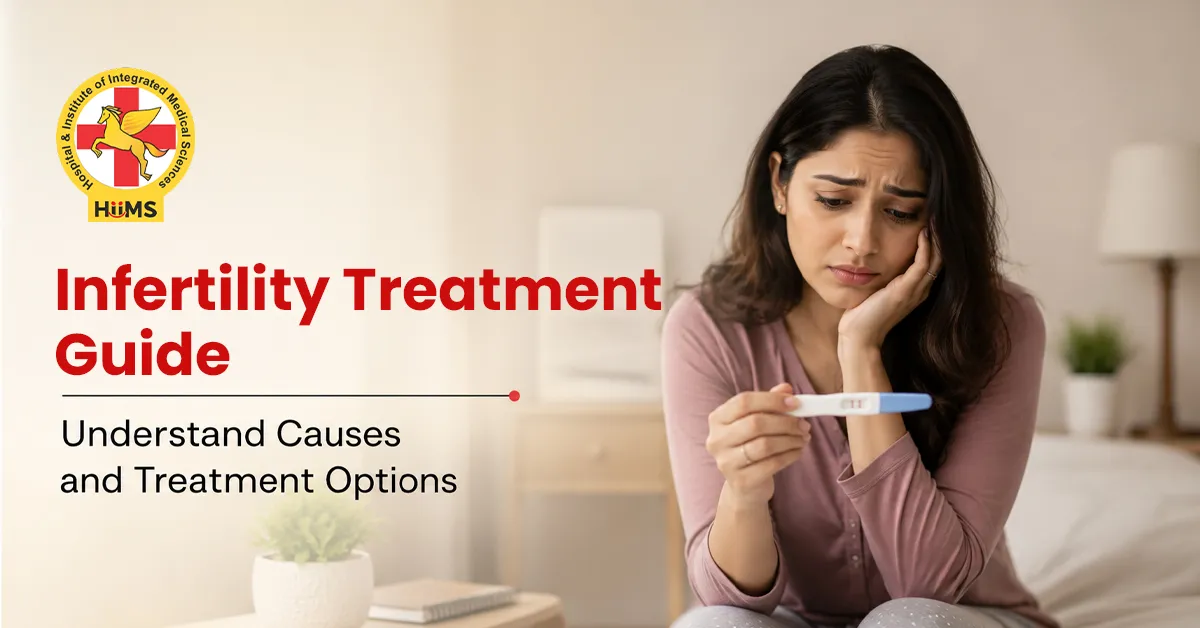

Conceiving can become an emotional experience if there are no results despite efforts being made regularly. Infertility could be experienced by any individual regardless of gender; causes of infertility include hormonal issues, ovulation challenges, sperm problems, blocked fallopian tubes, old age, lifestyle factors, or specific reproductive disorders. In some cases, the cause cannot be identified even after tests.
Identifying the cause becomes the first step for determining appropriate infertility treatment options. Treatment will depend on different factors and can range from medications, surgeries, and assisted reproductive technology to lifestyle care. Together with other treatment methods, Ayurveda includes dietary considerations, daily routine, stress management and reproductive health. Integrated treatment involves combining conventional treatments with Ayurveda and lifestyle treatments for creating personalised fertility treatment plans.
Table of Contents
What Is Infertility?
Infertility is defined as being unable to conceive despite having unprotected sex regularly. Usually, it is recommended that the couple consult for any diagnosis if there is no conception within about 1 year. Earlier assessment may be recommended for women aged 35 or above or when there are known fertility concerns.
Infertility is not always a female problem. Male factors, female factors or a combination of both can contribute to difficulty conceiving. In some couples, investigations may also fail to identify a specific reason, which is often described as unexplained infertility.
This is why both partners may need appropriate evaluation before deciding on an infertility treatment plan.
What Are the Common Infertility Causes?
There can be many infertility causes, and identifying the underlying factor helps determine which treatment may be appropriate.
Female Infertility Causes
Possible causes of female infertility are:
- Ovulatory problems including irregular ovulation and anovulation
- Polycystic ovarian syndrome (PCOS) or hormone imbalances
- Obstructed or damaged fallopian tubes
- Endometriosis
- Uterine problems
- Quality of eggs affected by age
Some symptoms of infertility include irregular menstruation in some cases, even though infertility is often asymptomatic.
Male Infertility Causes
Male factors can include the following:
- Low sperm count
- Reduced sperm movement
- Changes in sperm shape or quality
- Hormonal concerns
- Problems affecting sperm production or transport
- Previous injury or certain medical treatments
Therefore, infertility treatment for men should be based on proper evaluation rather than assuming the problem is related only to the female partner.
Lifestyle and Overall Health
Lifestyle can also influence reproductive wellness. Smoking, excessive alcohol consumption, poor sleep, significant weight changes, prolonged stress and an unbalanced diet may affect overall reproductive health. HiiMS also lists lifestyle factors, stress, hormonal concerns, weight changes and smoking or alcohol use among areas associated with infertility.
What Are the Symptoms of Infertility?
One of the difficult things about infertility is that there may not always be obvious infertility symptoms. For many couples, the first indication is simply that pregnancy has not occurred after regular attempts.
In some cases, there may be some indicators that show there is a reproductive issue, including:
- Irregular or no menstruation periods
- Extremely painful menstruation periods
- PCOS-related symptoms
- Issues with ejaculation or erectile dysfunction
- Prior reproductive issues or surgeries
- Any known problem with the quality of the sperm
Seeking professional help in such situations could be helpful.
How Is Infertility Evaluated?
Before choosing female infertility treatment or male infertility treatment, healthcare professionals usually try to understand what may be affecting conception.
For women, evaluation may include menstrual history, ovulation assessment, blood tests, ultrasound and, when required, assessment of the uterus and fallopian tubes.
For men, semen analysis is an important part of fertility evaluation. Depending on the findings, additional examinations or hormonal tests may be recommended.
The exact investigations depend on age, medical history, symptoms and how long the couple has been trying to conceive.
What Are the Medical Infertility Treatment Options?
Not all infertility treatments work for all couples. Depending on the reason, age, and health, the following are among the possible treatments: drugs for fertility problems, surgery, IUI, and IVF. These treatments can prove useful to some couples, but there are other issues that come with the treatments, such as side effects, stress, pain, and expenses, among others. For example, fertility drugs may result in some side effects and even twins, while surgeries have the risk associated with procedures. IUI and IVF are among those treatments that may need more than one try.
Can Ayurveda Support Infertility Care?
The traditional way in which Ayurveda practices reproductive health is somewhat different from conventional fertility care. Unlike the latter, it considers not just conception but also digestion, nutrition, living conditions, and mental health.
This may include:
- Individualized dietary guidance
- Healthy daily routines
- Yoga and gentle physical activity
- Stress management
- Sleep improvement
- Ayurvedic medicines when appropriate
- Selected Ayurvedic therapies under professional supervision
At Jeena Sikho HiiMS, infertility care is described through four Ayurvedic pillars: Aahar (food), Vihar (lifestyle), Shaman (medicinal support) and Shodhan (therapeutic care). These are combined with an individualised approach to reproductive wellness.
However, it is important to be clear that Ayurvedic or complementary care should not be presented as a guaranteed replacement for fertility medicines, surgery, IUI or IVF when these are medically indicated.
Ayurvedic Preconception Care at Jeena Sikho HiiMS
What Is Garbhadharan?
The process of preparing oneself for pregnancy in Ayurvedic medicine where the aim is to consider the well-being of both persons is called Garbhadharan. It can include such techniques as Beej Shuddhi, Garbh Shuddhi, Garbh Sanskar, as well as advice on diet and lifestyle, and even stress management. Garbhadharan treatment in HiiMS can be personalized for your own health.
What Is Garbh Shuddhi?
Garbh Shuddhi is the process of using Ayurveda preconception wellness therapy which prepares the body for conception. This is a process that is personalized according to one’s digestive system, diet, and lifestyle. The therapy is used as an attempt to have a healthy base for conception instead of a cure for cleaning the body.
What Is Beej Shuddhi?
Beej Shuddhi is an Ayurvedic practice which involves promoting the health of reproduction of both partners prior to conception. It involves many facets, including nutrition, lifestyle, digestion, stress, and other health factors, which can influence the reproductive health. Preconception counseling at Jeena Sikho HiiMS can be personalized according to the needs of the individual’s health.
What Is Garbh Sanskar?
Garbh Sanskar is an Ayurvedic practice that centers around the physical and psychological wellbeing of the mother throughout her journey of pregnancy. This can include healthy food, routine, yoga, meditation, relaxation and other positive mental practices. This advice will vary from individual to individual based on the stage of their pregnancy.
What Role Does Panchakarma Have?
Panchakarma is a traditional Ayurvedic therapeutic system that includes several procedures selected according to an individual’s needs. HiiMS includes Panchakarma and other Ayurvedic therapies within its infertility care model.
The purpose and suitability of any such therapy should be decided by a qualified practitioner after assessment. These therapies should not be performed independently, particularly when a person is actively trying to conceive or may already be pregnant.
When Should You See an Infertility Specialist?
Consider visiting an infertility specialist if pregnancy has not been achieved even after the recommended period of trying to conceive, or if you have known fertility problems.
You should consider earlier evaluation if there are:
- Irregular or absent periods
- Known PCOS or endometriosis
- Previous reproductive surgery
- Known sperm-related concerns
- Recurrent pregnancy loss
- A history of reproductive infections
- Concerns related to age or ovarian reserve
Early evaluation can help identify the possible cause and avoid unnecessary delays in choosing an appropriate treatment pathway.
Conclusion
Infertility can have many different causes, so the right infertility treatment options depend on the individual couple. Medical care may include medicines, surgery, IUI or IVF depending on the underlying problem.
At the same time, Ayurveda can offer a broader wellness perspective through Garbhadharan Shuddhi, diet, lifestyle guidance, stress management and selected therapies under professional supervision. At Jeena Sikho HiiMS Hospital, these approaches are brought together with modern medical science through an integrated model of care.
If you are having difficulty conceiving, a professional evaluation can help you understand the possible cause and choose a care plan suited to your needs. Book Your Video Consultation Now

FAQs
1. What is infertility?
Infertility is characterised by the inability to conceive through unprotected sexual intercourse within a specified time frame.
2. What are the leading causes of infertility?
Leading causes include hormonal imbalances, ovulatory disorders, problems with sperm, reproductive problems, and age/lifestyle.
3. Is it possible that a person has infertility without showing symptoms?
It is true. Infertility may manifest itself in the form of difficulties getting pregnant.
Is lifestyle associated with infertility?
It is because eating habits, obesity, sleep, exercise, stress, smoking and alcohol consumption play a role.
5. When should I contact an infertility specialist?
One should consider consulting the specialist within 12 months or sooner due to known infertility problems or after 35 years of age.

Disclaimer: The information provided on this blog is for general educational and informational purposes only. It is not intended to replace professional medical advice, diagnosis, or treatment. Always consult a qualified healthcare professional before making any changes to your diet, lifestyle, or treatment plan. Individual results may vary.