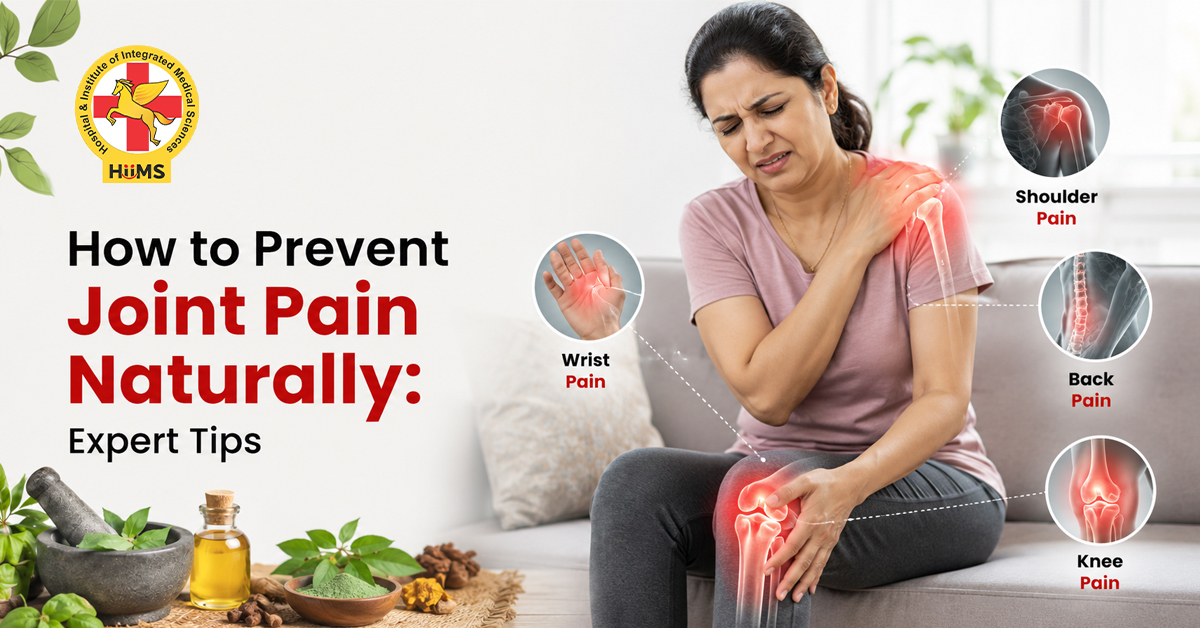

Knees that click going down stairs, shoulders that feel stiff after a long day at a desk, joint pain doesn’t always start with an injury. A lot of it builds up slowly, through years of small habits nobody thinks twice about. The good news is, how to prevent joint pain genuinely comes down to a fairly manageable set of daily habits. Here are the joint health tips that actually make a difference, backed by real research.
Tip 1: Stay Consistently Active, Not Occasionally Intense
The best natural ways to prevent joint pain are to move on a regular basis. Best options are low impact:
- Water aerobics or swimming lets you move around while the water supports your body weight
- Gentle on your joints, walking or cycling still builds strength
- Yoga or Pilates, to improve flexibility and range of motion
Consistency beats intensity here. Doing too much too soon, especially during a flare-up, tends to make things worse instead of better.
Tip 2: Build Muscle Around Your Joints
Strong muscles take pressure off the joints themselves, especially around the knees, hips, and shoulders. Light resistance training, squats, leg presses, and resistance bands work well as exercises for joint pain prevention, since the surrounding muscles end up absorbing much of the daily strain. This is genuinely one of the more overlooked ways to think about how to prevent joint pain before it even starts.
Tip 3: Eat for Your Joints, Not Just Your Waistline
The best diet for healthy joints leans heavily on anti-inflammatory foods:
- Fatty fish like salmon, sardines, and mackerel are rich in omega-3s
- Leafy greens, berries, and colourful fruit for antioxidants
- Walnuts, flaxseeds, and olive oil for healthy fats
- Turmeric and ginger are both genuinely anti-inflammatory when eaten regularly
Acharya Manish Ji has often suggested keeping meals light and freshly prepared rather than heavy or processed, since Ayurveda ties heavy, cold, or stale food directly to Aam buildup, the kind of internal toxin accumulation believed to aggravate joint stiffness over time. Cut back on sugar, red meat, fried foods, and processed snacks, all of which are known to worsen inflammation over time.
Tip 4: Maintain a Healthy Weight
This one’s simple math with a real payoff. Every extra pound puts roughly four times the pressure on your knees specifically. Besides the above diet and exercise suggestions, maintaining healthy weight is also one of the biggest factors to prevent joint pain and lifestyle strategies to eliminate joint pain together.
Tip 5: Fix Your Posture Before It Fixes You
Slouching or uneven weight distribution silently imposes on your spine, neck and shoulders. Sit with feet flat, stand with shoulders back, and use supportive furniture where possible. Small correction, real long-term impact when you’re thinking about how to prevent joint pain from creeping in through everyday posture habits.
Tip 6: Stay Hydrated
Cartilage is roughly 80% water. Staying properly hydrated throughout the day keeps them lubricated and functioning as they’re meant to, a genuinely underrated part of how to keep joints healthy long-term.
Tip 7: Quit Smoking, Limit Alcohol
Smoking reduces blood flow to joints and damages connective tissue over time. Excess alcohol depletes nutrients your body needs for repair. Among the lifestyle changes for healthy joints, cutting these two out tends to be one of the more impactful changes people make.
Tip 8: Warm Up, Cool Down, Use Proper Technique
A few practical joint pain prevention tips for daily movement:
- Warm up before exercise, cool down after
- Bend at the knees when lifting, not the back
- Take regular breaks during repetitive tasks or long sitting stretches
- Use heat for morning stiffness, cold packs after activity or flare-ups
Tip 9: Don’t Ignore Early Stiffness
If stiffness has already started, how to avoid joint pain getting worse comes down to staying gently active rather than resting completely. Prolonged inactivity actually stiffens joints further and weakens supporting muscles. If pain is significant, a physiotherapist can help identify what’s actually going on before it becomes a bigger issue.
Tip 10: Try Ayurvedic Support Alongside the Basics
A few Ayurvedic tips for joint pain prevention are worth knowing, too. At Jeena Sikho HiiMS, joint health is generally approached by balancing excess Vata, the dosha associated with dryness and stiffness. This typically includes:
- Warm oil massage (Abhyanga) to ease stiffness and support circulation
- Herbal support with Guggul and Ashwagandha to reduce inflammation
- Diet guidance favouring warm, cooked, easily digestible food over cold or raw meals
Generally used alongside conventional care, not as a replacement for it. Combining this with the basics above gives you a genuinely well-rounded answer to how to prevent joint pain long-term.
Conclusion
Preventing joint pain isn’t about one dramatic change; it’s about layering these small, consistent habits so your joints stay supported over years, not just weeks.
If you want a more personalised plan for protecting your joint health that combines conventional guidance with Ayurvedic support, feel free to book a VOPD consultation with Jeena Sikho HiiMS and walk through it directly with our team.

FAQs
1. Can exercise actually make joint pain worse?
Low impact, regular movement is generally good for joint pain, not bad – unless you do too much too quickly.
2. How much water do I need to drink to have better joint health?
A consistent fluid intake through the day aids the cartilage function as the cartilage is about 80-85% water.
3. Is all fat in the diet unhealthy for joint health?
No, unsaturated healthy fats like Omega-3 fats from fish, walnuts, and olive oil actually benefit joint health by reducing inflammation.
4. Does losing weight actually decrease the extent of joint pain?
Yes, even the slightest weight loss can drastically relieve the pressure on the load-bearing joints like the knee and hips.
5. Can Ayurveda be used to prevent joint pain even before it starts?
Yes, Ayurvedic therapies such as massage with oil and Vata-controlling diet are common forms of treatment for the prevention of joint pains, and along with these lifestyle techniques.

Disclaimer: The information provided on this blog is for general educational and informational purposes only. It is not intended to replace professional medical advice, diagnosis, or treatment. Always consult a qualified healthcare professional before making any changes to your diet, lifestyle, or treatment plan. Individual results may vary.