

Asthma is a breathing problem that affects many people, both children and adults. It does not always start suddenly. In many cases, it grows slowly, and people do not realise it in the beginning. A person may feel breathless after walking fast, climbing stairs, or even during sleep at night. Some people feel tightness in the chest or hear a whistling sound while breathing. These problems may come and go, so many ignore them at first.
An asthma doctor helps people understand what is happening inside their lungs and why breathing becomes difficult. Asthma cannot be fully cured, but it can be controlled in a proper way. With correct guidance, regular care, and changes in daily habits, most people are able to live a normal and active life without fear of frequent asthma attacks.
Key Symptoms of Asthma

Asthma symptoms are not the same for everyone. Some people have mild problems, while others may face severe breathing trouble. Common signs include:
- Shortness of breath, especially at night or early morning
- Wheezing sound while breathing
- Tight or heavy feeling in the chest
- Continuous coughing, mainly during cold weather or dust exposure
In some cases, symptoms increase after physical activity or during stress. If these signs repeat again and again, it is better to consult an asthma doctor instead of ignoring them.
Main Causes of Asthma
There are many asthma causes, and sometimes more than one reason is involved. Common causes include:
- Family history of asthma or allergy
- Dust, smoke, pollution, or strong smells
- Cold air or sudden weather change
- Weak immunity or repeated chest infections
- Stress, irregular sleep, or tiredness
Asthma can also develop in people who never had breathing problems earlier. That is why proper examination and understanding of triggers is important.
Role of an Asthma Doctor in Treatment
An asthma Doctor does not only give medicines. The doctor first listens closely to the patient’s problem and checks how breathing issues begin. After that, lung strength and airflow are checked using simple tests.
After checking the condition, the doctor explains how medicines should be taken and what things need to be avoided. Regular check-ups are advised so that treatment can be adjusted slowly. This careful method helps reduce the chances of a sudden asthma attack.
Ayurvedic Treatment for Asthma
Ayurveda looks at asthma as a problem related to lungs, digestion, and body balance. Treatment focuses on improving breathing in a natural way, without forcing the body.
Ayurvedic asthma treatment includes herbal medicines, breathing practices, simple detox methods, and food guidance. The aim is to reduce mucus, strengthen lungs, and support immunity slowly. Results take time, but improvement becomes steady when treatment is followed regularly.
CAAT Protocol at Jeena Sikho HiiMS
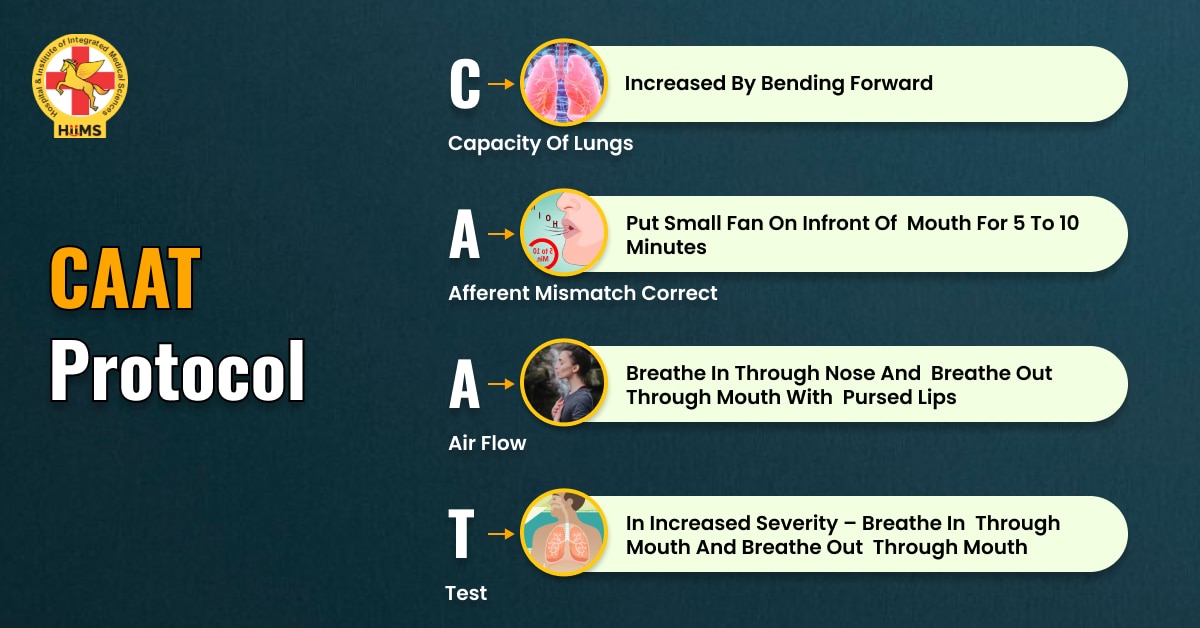
Doctors at Jeena Sikho HiiMS follow the CAAT protocol as a structured method to manage asthma in patients. This method is gentle and easy to follow.
- Capacity: Simple breathing and posture help lungs gain strength.
- Afferent correction: Lungs and brain start working in better balance.
- Air Flow: Slow breathing helps air pass easily.
- Test: Changes are observed gradually through regular checks.
Breathing methods are suggested according to the severity of symptoms, either through the nose or the mouth. Gentle movements and controlled breathing practices help ease breathing discomfort over a period of time.
Natural Remedies Used in Ayurveda
Ayurveda uses certain herbs that help lungs work better. Common herbs include:
- Vasa to reduce chest congestion
- Mulethi to soothe airways
- Tulsi to support immunity
- Choti Elaichi to ease breathing
These herbs are given in powders, teas, or decoctions. Steam inhalation and mild cleansing therapies also help clear blocked airways. Food should be warm and freshly cooked. Cold drinks, curd, fried food, and heavy meals should be avoided.
Lifestyle Tips for Asthma Control
Daily routine plays a big role in asthma control. Small habits, if followed daily, make breathing easier.
- Sleep and wake up at fixed times
- Avoid dust, smoke, and cold wind
- Do light yoga or walking
- Practice slow breathing daily
- Keep home clean and airy
These steps may look simple, but they help reduce the frequency of asthma attacks when followed patiently.
Care Beyond Asthma Treatment
Along with asthma care, doctors also treat serious health problems like cancer, liver disease, heart issues, infertility, jaundice, and other long-term conditions.
This full-body approach helps patients who have asthma along with other health concerns. Improvement in overall health supports better lung strength, which then helps breathing become more relaxed and comfortable over time.
Conclusion
Asthma is a long-lasting condition, yet it can be handled properly with correct care. An experienced asthma doctor identifies triggers, guides treatment steps, and supports patients in developing healthier breathing practices. Ayurvedic methods focus on slow and natural improvement, which helps reduce dependence on strong medicines.
With regular follow-up, correct food habits, and simple lifestyle changes, asthma attacks can be controlled. If breathing problems are affecting daily life, it is better to seek timely medical advice and start treatment early.

FAQs
- What does an Asthma Doctor do?
They diagnose asthma and guide proper treatment and breathing care. - What causes asthma attacks?
Asthma attacks may start due to dust, smoke, cold air, stress, or infections. - Can asthma be controlled naturally?
Yes, Ayurvedic care combined with lifestyle correction and breathing exercises supports asthma management. - Is asthma treatment long-term?
Yes, regular care helps prevent frequent attacks. - Can children also get asthma?
Yes, asthma may affect individuals across all age groups.
