
When your chest feels a bit tight or you get out of breath too quickly, it is natural to feel worried. You start wondering if you are developing some form of heart disease, but you might delay visiting a clinic because you fear complex medical procedures. However, finding out the truth about your fitness does not have to be scary at all.
Doctors use some very basic, painless checks to see exactly how your blood vessels are pumping. Checking your system early is the best way to clear up any doubts and manage risks safely. Let us talk about the key checks that clearly reveal your inner health and how they help you stay strong.
Table of Contents
Why Timing Matters: Catching Symptoms Before They Get Worse
Many blockages or rhythm problems do not show up with a big warning sign. They grow slowly over the years while you go about your daily work. This is why focusing on the early diagnosis of heart disease is a very smart move. Catching a small change in a muscle or artery early makes it much easier to fix with simple lifestyle changes.
You should consider getting basic heart checkup tests if you face these ordinary body changes:
- Feeling completely out of breath after climbing just a few stairs
- A heavy or tight feeling in your chest when you walk fast
- Sudden dizzy spells when you stand up from your bed too quickly
- A strange fluttering or fast skipping feeling inside your chest
Ayurveda explains that these issues happen when slow digestion creates a sticky waste called Ama. This waste mixes with your blood plasma (Rasa Dhatu) and blocks the fine channels that feed your chest muscles.
Common Cardiac Diagnostic Tests You Should Expect
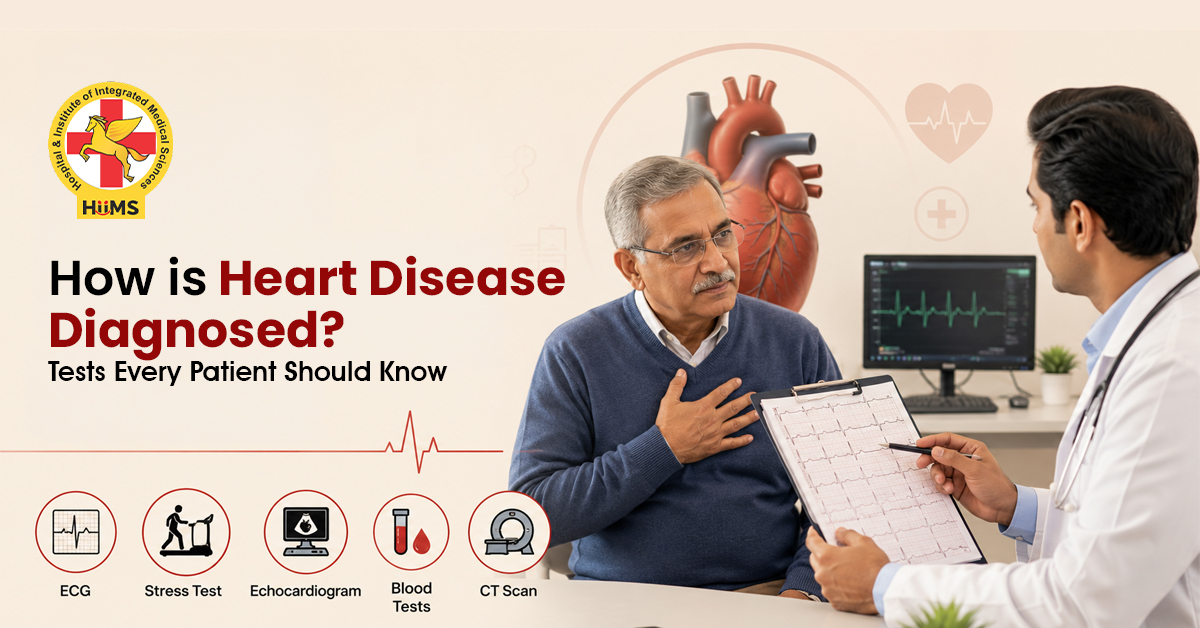
When you go for a checkup, the medical team will start with easy, external tests. These basic tests for heart disease help assess your heart rhythm and muscle health without any pain.
- The ECG Check: This is the quickest test you will go through. A nurse places small sticky buttons on your skin to note down the electrical timings of your beats. It tells whether your muscles are getting enough oxygen or not, or if you’re skipping counts.
- The Echo Scan: This test is like an ultrasound for your chest. The technique is based on the use of safe sound waves to display a live, moving picture of your valves and walls on a monitor. It shows exactly how your system is working to pump blood.
- The Treadmill Test: Also known as a stress test, it is a treadmill walking procedure monitored by a machine that measures your blood pressure. It reveals the reaction of blood vessels in a situation when the whole body is working hard.
Advanced Scans to Look Closer at Your Blood Vessels
If your basic reports show a minor variation, a specialist might use more advanced imaging tests for heart disease to look inside the heart’s chambers.
CT Coronary Angiogram
This is an advanced X-ray scan that takes clear 3D pictures of your arteries. It helps the team spot any hard calcium or fat blocks that might be narrowing your paths. It is a fantastic tool for an accurate heart disease diagnosis because it sees blockages from the outside without inserting any surgical tubes.
Holter Tracking
If your chest skipping occurs randomly at home, a standard 2-minute ECG might miss it. Your doctor will give you a small device called a Holter monitor to wear on your belt. It continuously records your heartbeat for 24 hours while you go about your normal life.
Targeted Natural Therapies and Heart-Friendly Herbs
Modern testing tools are great for early diagnosis of heart disease but Ayurveda uses natural herbs and therapies to cleanse your channels and increase your muscle strength.
Hridya Basti (The Oil Pool):
At Jeena Sikho HiiMS, this therapy is highly preferred for cardiovascular care. The team builds a small wall of herbal dough right over your chest area and fills it with warm medicated oil. This deep oil relaxes stiff muscles, improves blood supply to the heart walls, and safely reduces body stress.
Garlic and Ginger:
Adding fresh garlic to your daily meals cleans the sticky Ama waste from your blood, making it much easier for your body to move blood smoothly.
Planning Your Routine with Simple Heart Checkup Tests
It’s all about small, regular checks to prevent heart disease especially if your parents or relatives have high blood pressure or sugar issues.
- Check Your Lipids: Let your doctor do a simple blood test once a year to check your cholesterol and fatty acid levels.
- Post-meal walks: Don’t sit in your chair for four to five hours at a time. Get moving – just take a simple, light fifteen-minute walk after lunch and dinner.
- Eat Light, Warm Food: Avoid packed snacks, frozen foods or deep-fried foods that can block your internal vessels. Stick to simple, fresh, home-cooked food.
Conclusion
Finding out your real cardiovascular state is all about using the right cardiac diagnostic tests at the right time. You do not need to wait for a sudden health crisis to think about heart disease. By staying aware of your physical signs, tracking your blood work, and supporting your system with natural therapies like Hridya Basti, you can live a long, active life.

If you want a proper, root-cause checkup of your system and want to explore safe lifestyle habits alongside your regular care, getting professional guidance is the best way forward. You can book a (VOPD) video consultation with the highly experienced doctors at Jeena Sikho HiiMS. We will review your reports, assess your body type, and create a simple, personalised food and wellness plan to help restore your health naturally!
FAQs
1) Why should I get regular heart checkup tests if I feel completely fine?
Many blood vessel blockages build up quietly without causing any sharp pain at first. Regular checks help detect these hidden changes before they become problems.
2) Is an ECG test painful or uncomfortable for a regular patient?
An ECG is a completely painless non-invasive test that takes five minutes to read the electrical tracks of your heartbeats.
3) How does Hridya Basti at Jeena Sikho HiiMS help in weak heart muscles?
Warm, medicated oil is rubbed onto your chest, letting the herbal goodness sink deep into your tissues. This reduces local stress, improves local blood flow and strengthens muscle fibres.
4) Can I use Arjuna bark tea along with my regular lifestyle monitoring?
Arjuna bark is an extraordinarily safe, native food plant that has been used for centuries to support blood pressure and muscle health. You can very well talk about it with your health mentor.
5) Which health conditions does the cholesterol and fat test reveal?
A blood sample is necessary for this sampling. It is mainly reactive to the content of cholesterol and triglycerides in the blood, which will help your doctor in deciding your vulnerability to the build-up of plaques in arteries.

Disclaimer: The information provided on this blog is for general educational and informational purposes only. It is not intended to replace professional medical advice, diagnosis, or treatment. Always consult a qualified healthcare professional before making any changes to your diet, lifestyle, or treatment plan. Individual results may vary.