
The heart keeps working whether a person is awake, busy, stressed, resting, or asleep. Every minute, blood moves through vessels carrying oxygen and nutrients to different parts of the body, and this movement has to remain smooth for the body to function properly. The problem generally starts when those blood vessels slowly start becoming narrow from the inside. That narrowing is called heart blockage, and these days it is no longer seen only in older people.
Doctors now regularly see younger adults dealing with unhealthy cholesterol levels, stress, poor eating habits, and disturbed routines that slowly affect circulation. Many people continue daily life normally while small symptoms of heart blockage begin appearing here and there, maybe slight chest heaviness after climbing stairs, unusual tiredness during simple work, or breathlessness that feels “temporary”.
Modern lifestyle patterns have quietly become major heart blockage causes, especially when sleep, food timing, movement, and stress stay unmanaged for years.
In this blog, you will read about how blockage develops, what signs people commonly overlook, the important risks connected to it, and practical ways that may help support better heart health naturally.
Table of Contents
Understanding Heart Blockage in Simple Language
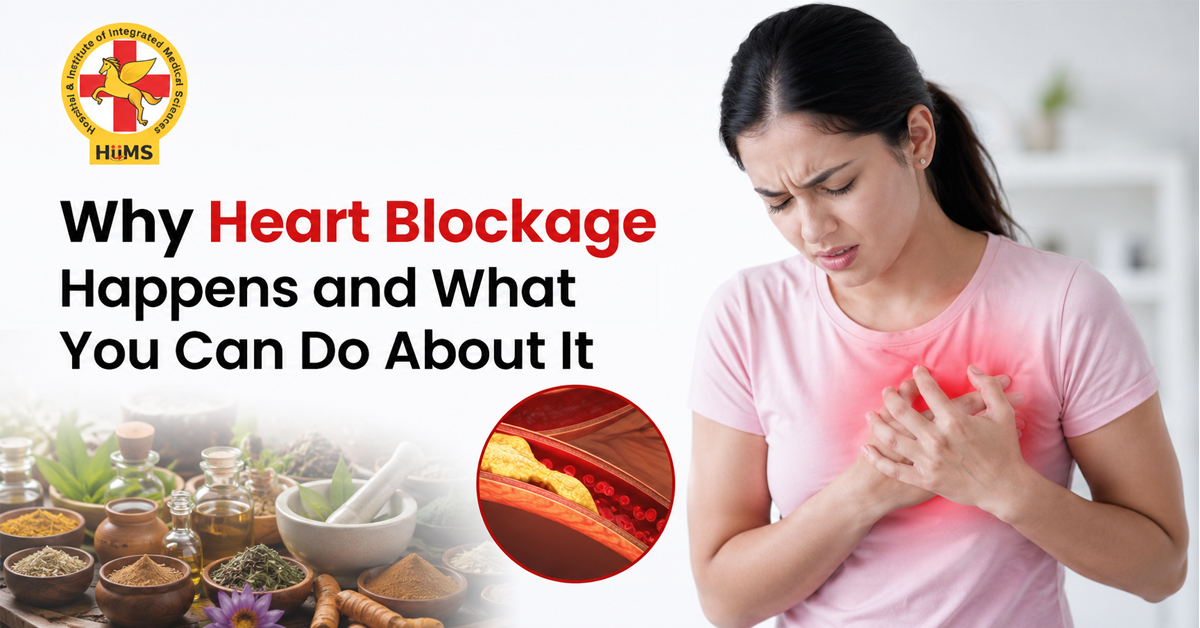
The heart needs its own blood supply too. Small arteries wrapped around the heart carry oxygen-rich blood to the muscles that keep it functioning continuously. When fat particles, cholesterol, and waste materials start sticking inside these arteries, blood starts moving through a narrower path. And yes, the process is usually slow, nothing unexpected happens in one day.
How Blockage Slowly Develops Inside Arteries
Healthy arteries remain flexible from inside, but repeated unhealthy habits affect them more than people realize. Fried food, smoking, poor sleep, long sitting hours, unmanaged sugar, and constant stress place pressure on blood vessels continuously. Slowly, the inner lining becomes rough instead of smooth, making it easier for fatty deposits to collect there.
Years later, arteries become stiff and circulation changes. Many heart blockage reasons are connected with routine lifestyle patterns people continue without thinking much about their long-term effect on the body.
Early Signs of Blocked Arteries People Often Ignore
Most people expect severe chest pain to happen first, but smaller problems often appear much earlier. Common early signs of blocked arteries may include heaviness in the chest after walking, breathlessness during routine activity, unusual sweating, dizziness, tiredness that does not improve properly with rest, or a heartbeat that suddenly feels fast or uneven.
These symptoms of heart blockage do not always stay constant. One day a person feels normal, another day slightly uncomfortable, which is why many people keep postponing medical attention. Some blame weakness, work pressure, gas, or poor sleep, and continue the same routine for months.
Top Heart Blockage Causes and Reasons
- Food habits affect circulation more deeply than most people think. Regular intake of oily snacks, processed food, packaged items, excess sugar, and refined flour slowly increases unhealthy fat inside arteries. Sitting for long hours without enough physical movement also affects how the body handles fats and blood sugar.
- Mental stress has become one of the common heart blockage causes now. Many people spend years under pressure without realizing that stress influences blood pressure, sleep quality, and even heart rhythm. Smoking damages artery walls directly and reduces their flexibility. Alcohol, especially in excess, may disturb circulation and triglyceride balance.
- Conditions like diabetes and high blood pressure create additional strain because blood vessels remain under constant pressure internally. Obesity increases workload on the heart during even basic physical movement. Along with lifestyle habits, family history remains among the important risk factors for heart blockage, especially when heart disease already exists in close relatives.
What You Can Do About Heart Blockage Naturally
People usually look for one quick solution, but heart health improves more through consistency than sudden major changes. You can follow some healthy habits like:
- Fresh homemade food prepared with vegetables, fruits, whole grains, and fiber-rich ingredients helps the body function better internally. Reducing packaged food, deep-fried snacks, and excess sugar may also help maintain healthier circulation.
- Any kind of physical activity is important too. Long sitting hours affect the body more than many people notice initially. Walking daily, stretching, yoga, or even simple regular movement during work hours helps support circulation naturally.
- Stress management is equally important because emotional pressure affects sleep, blood pressure, and energy levels together. Breathing exercises, meditation, and stable routines often help people feel physically lighter as well.
- Avoiding smoking, limiting alcohol, and maintaining healthy body weight gradually can also reduce unnecessary strain on the heart.
Ayurvedic Approach for Heart Health at Jeena Sikho HiiMS
Ayurveda looks at heart health in a broader way, connecting digestion, circulation, stress, sleep, food habits, and routine together instead of separating symptoms alone. At Jeena Sikho HiiMS, care is planned according to individual body condition and lifestyle patterns.
Panchakarma therapies are commonly used under medical supervision to support detoxification and metabolic balance. A special ayurvedic therapy for the heart, which is Hridaya Basti therapy, involves warm medicated oil applied around the chest region for relaxation and circulation support. Herbs like Arjuna, Amla, and Garlic are traditionally used in Ayurveda as part of heart wellness practices.
The overall focus remains on routine correction, stress reduction, food guidance, therapies, and long-term lifestyle improvement.
Conclusion
The body reflects daily habits more than people realize, and the same thing happens with heart blockage too. Food choices, stress levels, physical inactivity, poor sleep, smoking, and unmanaged health conditions slowly influence circulation year after year.
At Jeena Sikho HiiMS, heart care is approached through Ayurveda, lifestyle correction, therapies, and personalized wellness guidance focused on long-term balance instead of temporary management alone.

For further guidance, you can also opt for a VOPD consultation at Jeena Sikho HiiMS and connect with experienced doctors for guidance related to your health concerns.
FAQs
Q1: What are the common symptoms of heart blockage?
Chest heaviness, breathlessness, sweating, unusual fatigue, dizziness, and irregular heartbeat are commonly noticed symptoms.
Q2: Which habits increase the risk of heart blockage?
Smoking, processed food, stress, physical inactivity, poor sleep, and excess sugar intake commonly affect heart health.
Q3: Can younger adults also develop heart blockage?
Long sitting hours, obesity, stress, unhealthy eating, and disturbed routines are increasing heart-related problems in younger adults.
Q4: How does Ayurveda help support heart health?
Ayurveda focuses on digestion, circulation, stress balance, detoxification, and lifestyle correction to support heart wellness naturally.
Q5: When should someone consult a doctor for heart-related symptoms?
Recurring chest discomfort, breathlessness during activity, dizziness, or sudden weakness should always be medically evaluated.
Ayurvedic Heart Care Products
100% natural, certified Ayurvedic formulations crafted for targeted heart wellness.



Disclaimer: The information provided on this blog is for general educational and informational purposes only. It is not intended to replace professional medical advice, diagnosis, or treatment. Always consult a qualified healthcare professional before making any changes to your diet, lifestyle, or treatment plan. Individual results may vary.