
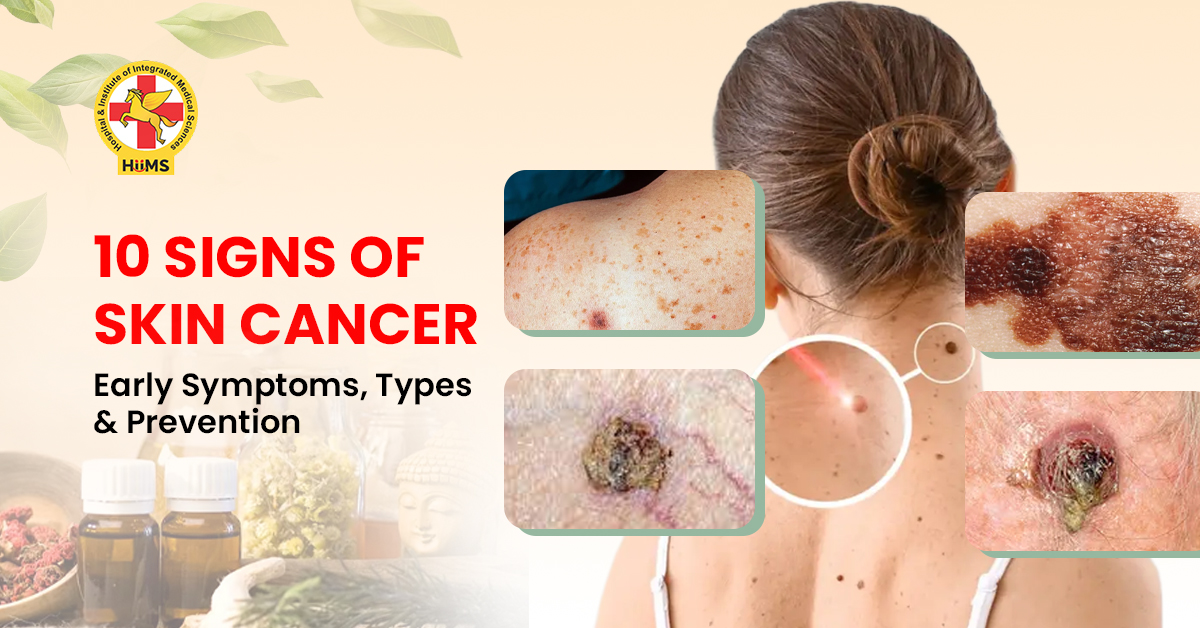
Our skin protects us, but it can also have serious problems. One of the main problems is skin cancer. It happens when skin cells start growing in the wrong way and do not stop.
Anyone can get it, young or old. But people with fair skin, lots of sun exposure, or family history are at higher risk. Many people ignore small changes on their skin, thinking it is just a mole or a small spot. But sometimes these changes can be symptoms of skin cancer. If it is found early, skin cancer is easier to treat.
Knowing the early signs of cancer can save your life. In this blog, we will discuss what skin cancer is, its types, causes, and common signs. We will also tell you when to see a doctor and some simple ways to prevent it.
Visiting the best cancer specialist or cancer hospitals can help you get the right care if you notice anything unusual.
What is Skin Cancer
Skin cancer happens when skin cells start growing too much. Normally, old cells break down and are replaced by new cells. But in skin cancer, this process goes wrong.
Extra cells form a lump or can spread to other parts of the body. Most skin cancers appear on skin that gets more sun, like the face, arms, neck, and hands. Early checkups make treatment easier.
Many people recover fully with help from top cancer hospitals and the best cancer doctors.
What are the Types of Skin Cancer?
There are mainly three types of skin cancer:
- Basal Cell Carcinoma (BCC): Most common type. It grows slowly and looks like a shiny bump. It does not spread much, but still needs treatment.
- Squamous Cell Carcinoma (SCC): Appears as a red, rough patch on the skin. It can spread if ignored.
- Melanoma: Most dangerous type. Starts in pigment cells that give color to the skin. It spreads fast if not caught early.
Other types are rare, such as Kaposi sarcoma or Merkel cell carcinoma, and they usually require careful diagnosis and the best cancer treatments for proper management.
What are the Causes of Skin Cancer?
Skin cancer mostly happens because of UV rays from the sun or tanning beds. Other causes are:
- Spending too much time in the sunlight.
- Fair skin, light hair, or light-colored eyes.
- Severe sunburns in childhood.
- Many unusual moles.
- Family history of skin cancer.
- Weak immune system or some medicines.
Knowing these helps you take early steps to avoid it and seek the best cancer treatments at the right time.
What are the 10 Signs of Skin Cancer?
Noticing the symptoms of skin cancer early can help you get treated in time. Here are 10 signs:
1. New or Changing Moles
If a mole changes color, size, or shape, or starts bleeding, it could be dangerous.
2. Pearly or Waxy Bumps
Shiny bumps, pink, white, or skin-colored, often appear on the face, neck, or ears.
3. Red or Brown Flat Patches
Rough, scaly patches or flat spots that do not heal may be a sign.
4. Sores That Don’t Heal
Sores that keep coming back or bleeding should not be ignored.
5. Itchy or Crusty Patches
Patches that itch or bleed might be BCC or SCC.
6. Dark Lines Under Nails
Melanoma sometimes shows as a dark line under fingernails or toenails.
7. Skin Color Changes
Skin that becomes very dark, red, or blotchy may be a warning.
8. Pain or Tender Skin
Pain, burning, or soreness in a spot can be a sign.
9. Rapidly Growing Lump
A lump that grows fast needs a doctor’s check.
10. ABCDE Rule for Melanoma
- A – Asymmetry: One side of the spot or mole looks different from the other side.
- B – Border: Edges are uneven.
- C – Colour: Colours are different in one spot.
- D – Diameter: Bigger than 6 mm (pencil eraser).
- E – Evolution: Changes in size, shape, or colour.
If you notice any of these, visit the best cancer specialist fast. Early detection can save your life and reduce the need for strong treatments.
When to See a Doctor
See a doctor if:
- You notice any of the signs of skin cancer.
- A mole or patch grows fast or bleeds.
- Skin changes don’t heal after a few weeks.
Consulting top cancer hospitals or a cancer doctor will help you get proper tests and cancer treatments.
Prevention Tips for Skin Cancer
You can reduce the risk by:
- Avoiding strong sun, especially from 10 am to 4 pm.
- Use sunscreen SPF 30 or higher.
- Wearing hats, sunglasses, and covering clothes.
- Avoiding tanning beds.
- Checking your skin for new moles or changes often.
- Eating fruits and vegetables maintains skin health.
These simple steps help prevent skin cancer, detect it early, and support timely access to the best cancer treatments.

Conclusion
Skin cancer is the most common type of cancer, which can spread to nearby tissues or other areas of the body. But it can be prevented and treated if identified early.
Knowing the early signs of cancer at the early stage can prevent you from serious complications. Therefore, it is crucial to recognize the early signs of cancer and take preventive measures promptly.
Visiting the best cancer specialist and receiving the right guidance at the right time can protect your skin and health from serious problems.
FAQ
Q1. What are the symptoms of skin cancer?
Change in the size of the mole, unhealed sores, or itchy patches.
Q2. What causes skin cancer?
Family history, spending too much time in sunlight, or a weak immune system.
Q3. Who can get skin cancer?
Anyone can get skin cancer, regardless of age, gender, or skin colour.
Q4. What are the common types of skin cancer?
Basal cell carcinoma, squamous cell carcinoma, and melanoma are the main types.
Q5. Why is early detection important in skin cancer?
Early detection makes treatment easier and improves recovery chances.
