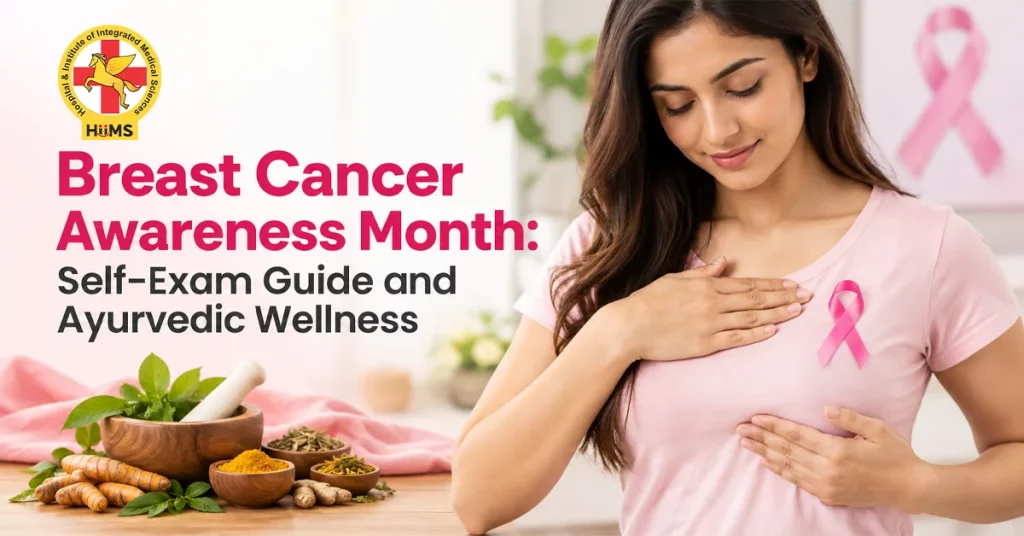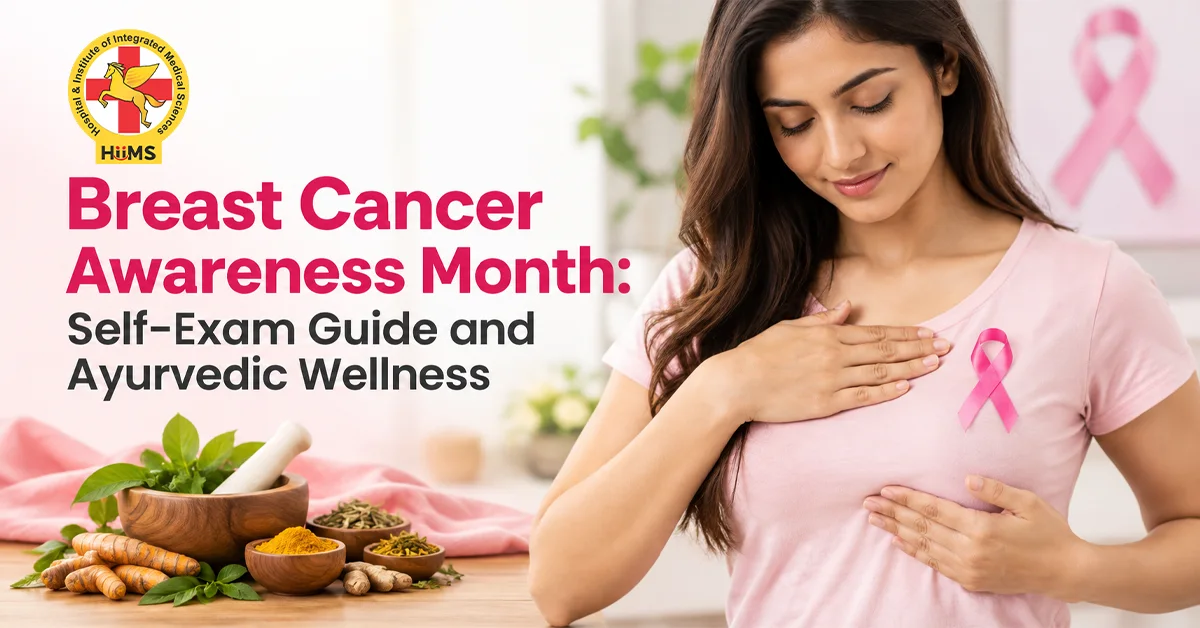

Every woman should be at peace when discussing her breast health, but many women are not yet ready to open up about this topic. Some women feel shy about speaking openly about their breasts, while others may ignore a change because they are afraid of what it could mean or simply do not know whom to ask. This is why Breast Cancer Awareness Month, observed every October, is so important. It encourages women to talk openly about breast health, understand possible breast cancer symptoms, and learn why early medical attention matters.
A simple method of becoming aware is learning what normal breasts are like for you. You could perform a breast self-exam that allows you to get acquainted with your body and to observe any changes, including a lump, dimpled skin, and nipple discharge. Still, the self-exam does not diagnose or rule out the presence of breast cancer, and it should not substitute for proper medical screening and examination. Keep in mind that there is no reason to be embarrassed about raising the question.
According to the World Health Organization (WHO), early diagnosis and timely medical care are important in reducing the impact of breast cancer. In addition to good medical care, healthy routines and good mental well-being must also be considered.
In this blog, you will learn about breast self-check steps, breast cancer symptoms, and why it’s important.
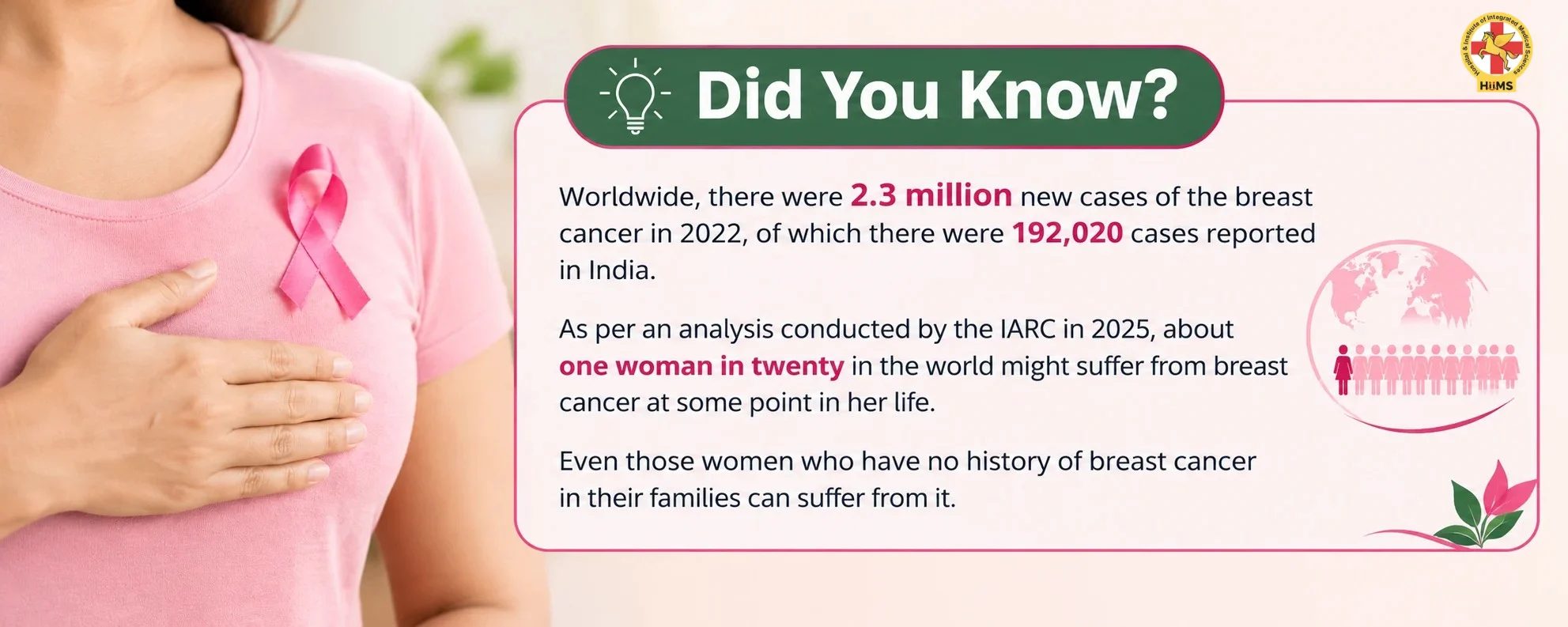
Table of Contents
What Is Breast Cancer Awareness and Why Does It Matter?
Causes of breast cancer include uncontrolled abnormal cell growth in the breast, leading to tumour formation. When breast cancer is not identified early enough and appropriately treated, it may affect other body organs. Breast cancer awareness of breast cancer includes recognising the symptoms of breast cancer.
The National Breast Cancer Foundation’s breast self-exam guide has outlined that awareness of what the breasts usually look like and feel like helps one identify any change. One should be aware that breast cancer may also affect men even though it is more common in women. Even though one may not have any family history of breast cancer, one may still develop breast cancer.
How to Perform a Breast Self-Examination at Home
A breast self-exam involves looking at and gently feeling your breasts to understand what is normal for you. Let’s check the basic steps.
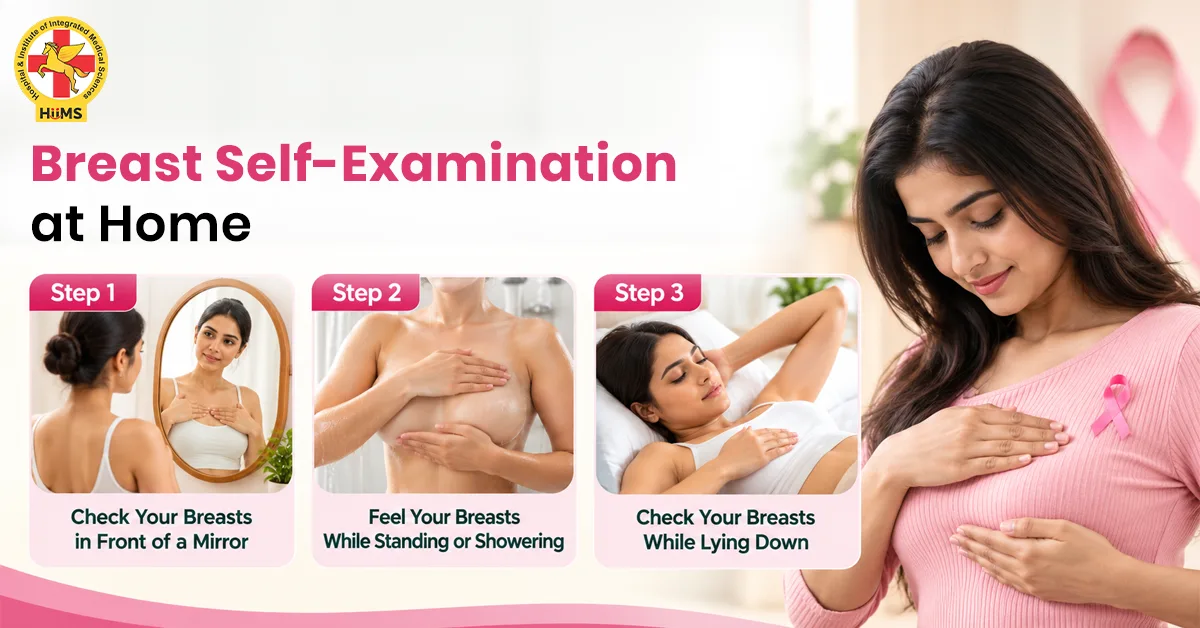
Step 1: Check Your Breasts in Front of a Mirror
Stand in front of a mirror with your upper body uncovered and your arms relaxed at your sides. Look for changes in the size or shape of either breast. Check for unusual swelling, skin dimpling, wrinkling, redness, or changes in the position of your nipples.
Next, raise your arms above your head and look for the same changes. You can also place your hands on your hips and gently press them inward to notice any changes in the breast contour. Some difference between the two breasts is normal. The important thing is to notice a new or unusual change.
Step 2: Feel Your Breasts While Standing or Showering
Gently palpate your breast using the pads of your middle three fingers in circular motions. Check all areas of the breast, including those near the armpits. Feel the breast by applying light, moderate, and strong pressure in order to examine breast tissue at varying depths. Do not pinch the skin or apply pressure that will cause you pain. Check your other breast following the same procedure. Take note of any new lumps or the thicknesses.
Step 3: Check Your Breasts While Lying Down
Lie down comfortably with one shoulder on a small pillow. Place one hand behind the head and feel the breast through the opposite hand’s finger pads. Ensure the full breast is covered, especially the periphery and axillary area. Observe any new masses and irregular thickenings. Check for any unusual nipple discharge and changes in nipple contour.
How Often Should You Perform a Breast Self-Exam?
Some women choose to perform a monthly breast self-exam to become familiar with their normal breast appearance and feel. For women who menstruate, it might be less uncomfortable to do so a few days after the completion of their periods since the tenderness and swelling of the breasts have decreased by then. For those who do not menstruate, any time would suffice as long as it is convenient for them to examine their breasts.
Nonetheless, doing a breast self-examination alone has been shown to be ineffective in terms of decreasing the number of deaths due to breast cancer. Rather than being an alternative method to the recommended screening, a breast self-examination should be done to detect any abnormalities in one’s body.
To know more about your breast health, book a free consultation with our expert.
What Are the Warning Signs of Breast Cancer?
The breast cancer symptoms can differ from one person to another. While not all of these signs may be harmful, they need to be evaluated if they are new, irregular, or prolonged. They could include:
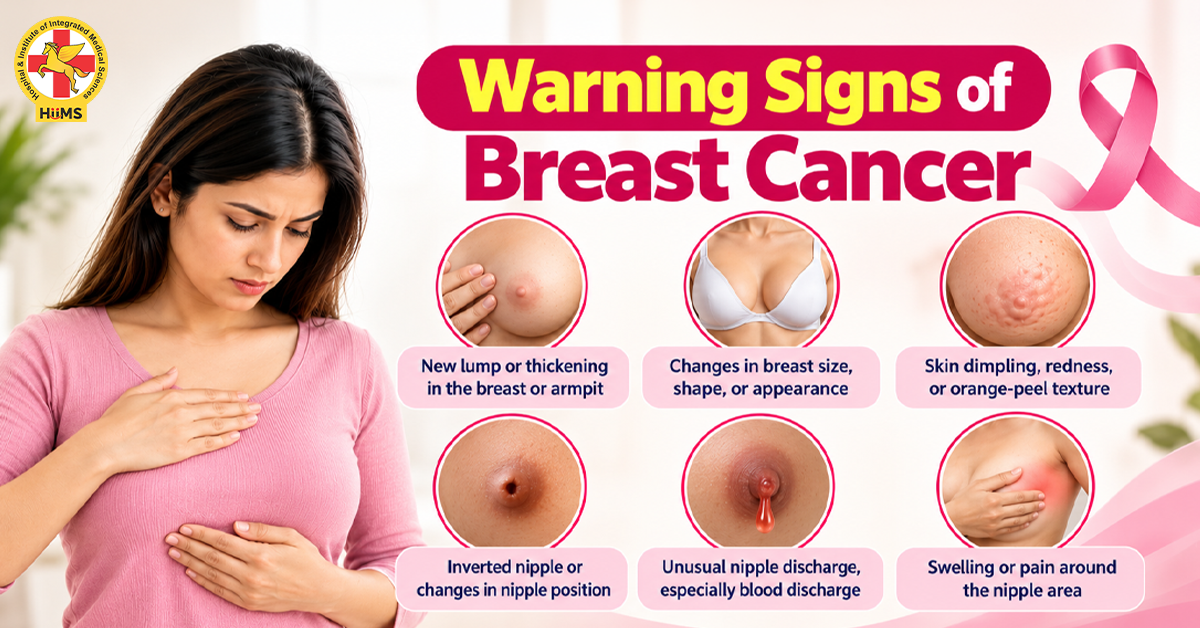
- A new lump or thickening in the breast or the armpit region.
- Changes in the size, shape, or appearance of the breast.
- Dimpling, puckering, redness, or an orange-peel appearance of the skin of the breast.
- An inverted nipple or a change in nipple position.
- Abnormal discharge from the nipple, especially blood discharge.
- Swelling or pain in the nipple area.
Not every breast lump is cancerous, and breast pain alone does not necessarily mean cancer. However, a painless lump should not be ignored simply because it does not hurt. If you notice a new or unusual change, arrange a medical evaluation immediately. A healthcare professional may recommend a clinical examination, ultrasound, or other tests depending on your age and symptoms.
Breast Cancer Prevention Tips: What Can You Do?
It is impossible to prevent every incidence of breast cancer. There are certain risk factors that are uncontrollable, such as age and genetic predisposition. Nevertheless, there are certain ways of living that would benefit one’s health in general and lower the risk factors as well.
Have a balanced diet: One should ensure eating various vegetables, fruits, whole grains, and proteins because no food will be able to protect one from getting breast cancer.
Exercise regularly: Engage yourself in activities like walking or yoga to stay healthy and keep a good weight.
Refrain from using tobacco and consuming alcohol: As already said, tobacco is unhealthy for the body, while the use of alcohol is a risk factor for breast cancer.
Get informed about your family history: If one of your relatives has ever been ill with breast or ovarian cancer, then you should consult a doctor regarding your risk factors.
Screen your breast on time: Consult a doctor on how often and at what age you should undergo mammography or other breast examinations.
Such a lifestyle is aimed at general well-being, although it will not prevent breast cancer.
How Can Ayurveda and Modern Healthcare Support Breast Wellness?
Modern healthcare and Ayurveda can play different roles in supporting overall healthcare in modern times, and Ayurveda can serve different purposes to ensure that a woman’s breasts are healthy overall. Healthcare can enable women to get evaluated for any breast change that they notice. The reason why it is very important to go for an early checkup is that a new lump, odd nipple discharge, skin dimpling, or any other unusual change in breast shape must never be overlooked.
In Ayurveda, healthy eating practices, proper routines, good sleep, exercise, and good emotional well-being play an important role. These practices can help women lead a healthy life. Ayurvedic wellness consultation at Jeena Sikho HiiMS can help a woman choose healthy dietary and lifestyle practices based on her needs.
With appropriate healthcare, healthy nutrition, physical exercise, enough rest, and emotional support, a person can remain healthy overall. The most effective way is to maintain awareness of their body, get appropriate screening, and see the doctor if they notice something unusual.
Conclusion
Breast Cancer Awareness Month is an opportunity to understand breast health, learn the steps of a breast self-exam, and recognise changes that deserve medical attention. Knowing what is normal for your breasts can help you notice unusual changes, but self-examination cannot replace professional evaluation or recommended screening.
If you are worried about your breasts, then please consult an appropriate healthcare practitioner. In addition, for general wellness Ayurvedic consultation, you may ask Jeena Sikho HiiMS, including VOPD consultation.

FAQs
Q1. What is Breast Cancer Awareness Month?
Breast Cancer Awareness Month takes place every year in October to raise awareness of breast cancer, promote conversation on breast health, and early detection and treatment of breast cancer.
Q2. How often should I do a breast self-examination?
Some women choose to do self-examinations on their breasts each month to get used to how their breasts normally look and feel. If you menstruate, a good time to perform your self-examination could be several days after your period.
Q3. What if I discover a lump in my breast?
Schedule an appointment with your doctor right away. Most breast lumps are not cancerous, but a new lump requires evaluation by a competent health practitioner. Do not wait until you experience pain.
Q4. Can Ayurveda help in preventing or curing breast cancer?
While Ayurveda can help promote overall well-being, herbs can react with medication if not used with care. You should never put off any tests or treatment for breast cancer because of any alternative remedies.
Q5. Can I consult Jeena Sikho HiiMS about Ayurvedic well-being?
Yes, you can contact Jeena Sikho HiiMS to learn more about Ayurvedic consultation and well-being. In case you have a breast lump, you should get yourself checked by a breast expert.
Ayurvedic Cancer Care Products
100% natural, certified Ayurvedic formulations crafted for targeted cancer wellness.



Disclaimer: The information provided on this blog is for general educational and informational purposes only. It is not intended to replace professional medical advice, diagnosis, or treatment. Always consult a qualified healthcare professional before making any changes to your diet, lifestyle, or treatment plan. Individual results may vary.