
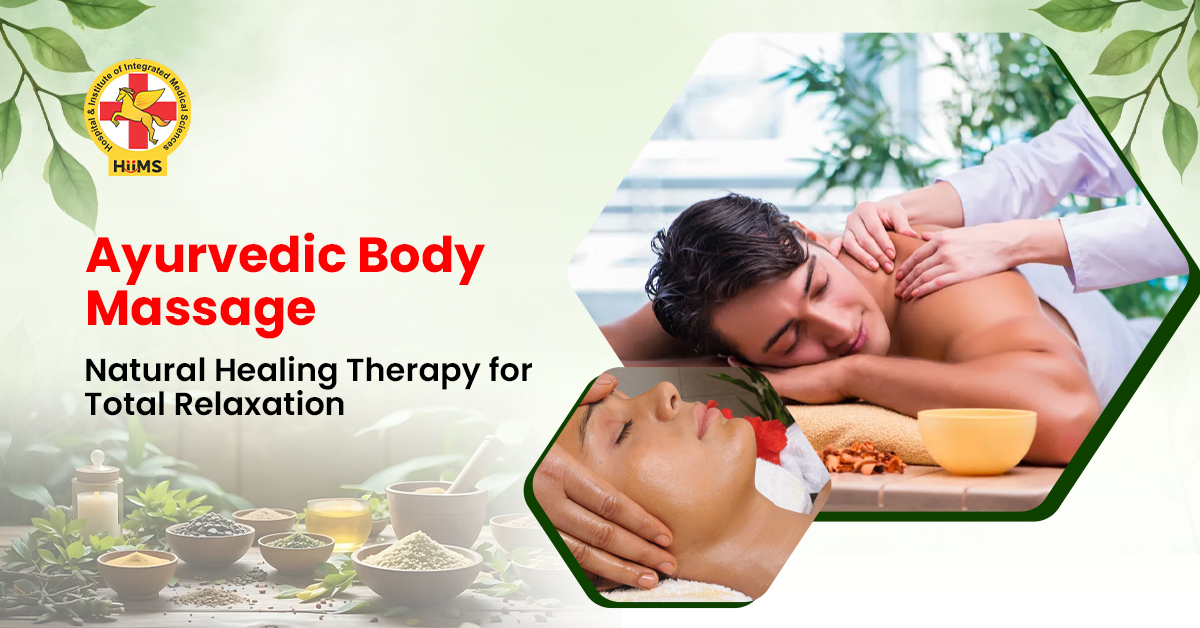
Ayurvedic Body Massage is an old, steady way to calm the body, ease tight muscles, and help gentle healing. It is more than comfort; it is a planned practice that uses warm, herb-infused oils and specific hand movements chosen for the person’s condition. Many people search for ayurvedic massage near me or ayurvedic spa near me because daily tension, long sitting hours, and broken sleep slowly tip body balance.
The therapy works at several levels — skin, muscles, nerves and circulation all respond together. Done regularly, it helps release long-held tightness and improves movement. The strokes, pressure and oil are not random; they are chosen after a simple assessment. So, when a proper full body ayurvedic massage is given, it can become a steady routine for lasting comfort, better strength and quiet relaxation. This is practical care, not just a one-time treat, and many find the slow changes more reliable than quick fixes.
Understanding Ayurvedic Body Massage
The technique uses warm herbal oils and set hand movements. The choice of oil, pressure and stroke direction depends on the person’s needs.
Some strokes are slow and soothing; some are firmer where muscles are tight. This is how the therapy adapts.
The Ayurvedic Body Massage reaches surface tissue and deeper layers. It helps circulation and eases nerve tension. Over time the body tends to feel more stable and settled.
Role of Oils in Ayurvedic Oil Massage
Oils are chosen for purpose, not only for glide. Some oils reduce dryness, some ease stiffness, and some calm the nervous system.
Warm oil penetrates tissues, softens muscles and supports skin health. Many people feel lighter after a few sessions.
Repeated oil work helps flexibility and daily movement. With regular care the body copes better with stress and ordinary strain. It is subtle, and effects build slowly.
Abhyanga Body Massage and Its Benefits
Abhyanga body massage is a systematic full-body oil therapy used widely in Ayurveda. The sequence is planned and consistent, so the body receives balanced attention.
When done repeatedly, Abhyanga can ease muscle pain, improve circulation and often bring better sleep. Many patients also notice improved digestion and less dryness.
This therapy suits people seeking steady relief rather than quick comfort. It is one reason many search for Ayurvedic full body massage or an Ayurvedic Body Massage when they want lasting benefits.
Parishesh Therapy for Muscle and Joint Support
Parishesh combines a steady flow of warm oil with gentle, continuous strokes. It aims for deeper tissues and is used where stiffness or long-standing tightness exists.
This work often helps people with chronic muscle or joint discomfort. It loosens tissues slowly and improves local circulation over time.
For those with ongoing nerve-related discomfort or persistent fatigue, Parishesh can ease movement and restore some comfort. The effect grows with repeated sessions.
Key Symptoms That Indicate Need for Massage
You may notice:
- Continuous body stiffness
- Muscle tightness after work
- Joint discomfort
- Poor sleep quality
- Feeling tired even after rest
Alongside these, dryness of skin, heaviness in the limbs, or mild mental restlessness may be seen. Such signs often point toward the need for structured relaxation like an Ayurvedic full body massage.
Main Causes Behind Body Discomfort
Discomfort generally develops over time from daily strain and habits. Main causes include long sitting or standing, lack of movement, stress, irregular sleep, poor circulation, and ageing. Over time these factors upset the body’s balance and lead to stiffness, pain or ongoing tiredness. Ayurveda seeks gentle correction rather than quick fixes.
Ayurvedic Massage Therapy Approach
Massage in Ayurveda is planned care. The therapist checks body type, symptoms and routine first, then chooses oil and stroke pressure.
This tailored approach supports circulation, nerve tone and joint flexibility. It works slowly but tends to give deeper, longer-lasting results than an occasional rub.
Daily Care Tips to Support Massage Benefits
- Sleep at fixed times where possible.
- Sip warm water through the day.
- Avoid sudden cold exposure after a session.
- Do light stretching regularly.
These small habits help the massage effects stay longer. Regular, steady practice matters more than intensity.
Holistic Care Beyond Massage Therapy
At Jeena Sikho HiiMS, massage is offered as part of a broader health plan. Our doctors also treat serious conditions such as cancer, liver disorders, heart problems, infertility, and jaundice, along with other chronic illnesses. The approach focuses on identifying root causes and supporting the body naturally.
Conclusion
Ayurvedic Body Massage provides a clear, natural path to relaxation and gradual healing. It reduces stiffness, improves blood flow, calms the mind and supports overall balance. This therapy is not usually about an immediate fix; it works slowly and, with regular sessions, the body’s responses become steadier.
If ongoing tiredness, muscle tightness or poor sleep are present, early Ayurvedic care often helps. A simple professional assessment ensures the right therapy is chosen for each person. For those wanting lasting relief, a properly planned abhyanga body massage or related treatment can be part of a balanced plan.
Consult experienced Ayurvedic doctors to learn how Ayurvedic oil massage or full body ayurvedic massage may best support your health. Book a consultation today and take a measured, natural step toward better balance and lasting relaxation.

FAQs
Q1. What is Ayurvedic body massage?
This is a traditional therapy that uses warm herbal oils and selected massage strokes based on how the body feels and responds.
Q2. Is Abhyanga suitable for daily stress?
Yes, Abhyanga helps calm stress, ease stiffness, and enhances sleep.
Q3. How often should Ayurvedic massage be done?
The frequency of massage depends on the person’s body condition and should be guided by an Ayurvedic doctor.
Q4. Can Ayurvedic oil massage help joint pain?
Yes, it supports circulation, reduces stiffness, and improves joint comfort.
Q5. Should massage be done under medical guidance?
It is better to take professional guidance for safe and effective results.
