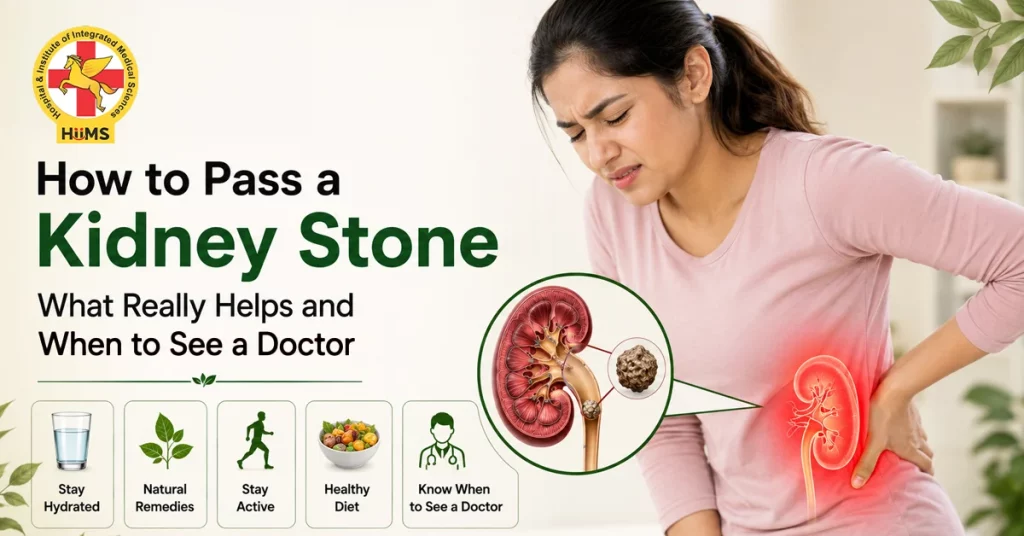

Kidney stones interrupt daily life more often than people imagine, so many look for reliable ways to ease this pain while avoiding surgery. When pain begins or urination feels difficult, a continuous plan that supports the body often feels preferable to immediate invasive care.
This blog explains simple, non-surgical options and why lifestyle changes combined with guided Ayurvedic support can form an effective path. In clear, simple, everyday language you will learn how stones form, which symptoms need attention, and which home measures genuinely help without replacing medical oversight.
We also describe herbal treatments and a simple syrup for the kidney stones that is meant to support urine flow, along with guidance on when to seek assessment at a trusted kidney centre. Read this blog to gain a calm, practical understanding of treatment for kidney stones and sensible steps you can follow to reduce discomfort.
Understanding Kidney Stones in Simple Words
Kidney stones are compact deposits of minerals and salts that form when urine becomes concentrated and those substances crystallise. The process begins with tiny crystals that slowly form, harden, and finally become stones that may remain quiet for a while. Problems typically start when a stone moves into the narrow urinary passages, producing noticeable pain and sometimes obstructing urine flow.
How Kidney Stones Develop Gradually
Insufficient fluid, recurrent digestive imbalance, and diets high in certain salts or proteins create the internal conditions where crystals meet and stick together. A careful corrective routine can change these conditions and reduce future risk.
Common Symptoms That Signal Kidney Stone Pain
Early signs may include a dull ache in the lower back or along the sides that can become sharper as the stone begins to move. Many people also feel a burning sensation during urination and notice a sudden need to pass urine more frequently than usual. Urine may appear cloudy or slightly reddish, and some people may feel nausea along with occurrences of kidney stone pain, so repeated symptoms should be checked in time.
Common Causes Behind Kidney Stones
Daily habits play a very important role in this. Low water intake, regular consumption of salty or processed foods, heavy animal protein, sedentary routines, and repeatedly holding urine all these things increase stone risk.
Family history, disturbed sleep, and weak digestion can also increase the chances of stones forming again. Paying attention to these underlying factors becomes an important part of any effective kidney stone treatment plan.
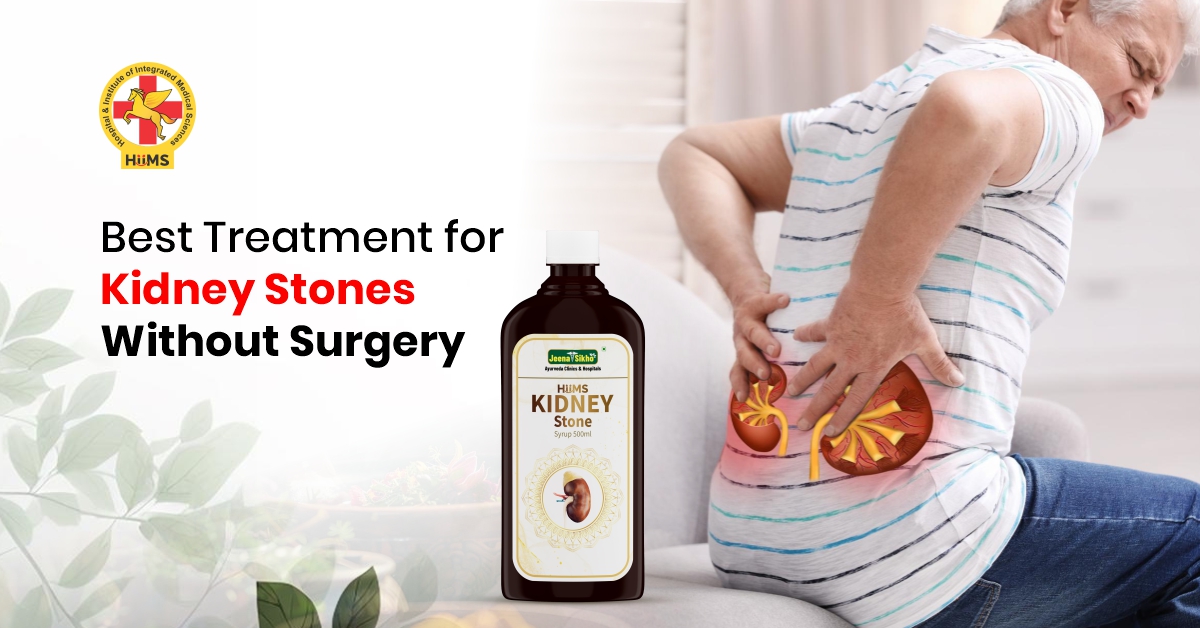
Exploring Treatment for Kidney Stones Without Surgery
Not every stone requires an operation. For small to medium stones, doctors usually keep the condition under observation and advise supportive steps like drinking more fluids, making simple changes in daily diet, managing pain according to medical advice, and taking herbal support under proper guidance when needed.
Scans and urine tests guide these decisions so treatment remains safe and effective while avoiding unnecessary interventions.
Natural Methods That Support Kidney Stone Treatment
Staying well hydrated is the single most effective action. Frequent sips through the day keep urine dilute and lower crystal formation. Lemon water and coconut water both help with hydration. Choosing lighter meals, more raw seasonal fruits and vegetable salads, cooked vegetables, and millet-based dishes reduces digestive load and supports kidney function. Such dietary shifts remain part of many kidney-focused programs.
Kidney Stone Treatment: Ayurvedic Support and Herbs
Ayurvedic approaches focus on detox, fluid balance, and gentle diuretics. Herbs like Punarnava, Gokshura, Varun and Pashanbheda have long histories of use to maintain urine flow and reduce irritation.
When combined with dietary correction and healthcare oversight, kidney stone treatment ayurvedic methods can form a complementary path for many patients.
Kidney Stone Relief Syrup for Daily Support
A proven kidney stone relief syrup can offer routine support for urine flow and comfort. For this, HiiMS Kidney Stone Syrup combines Panchtranmool, Gokshur, Punarnava and Varun in a measured formulation.
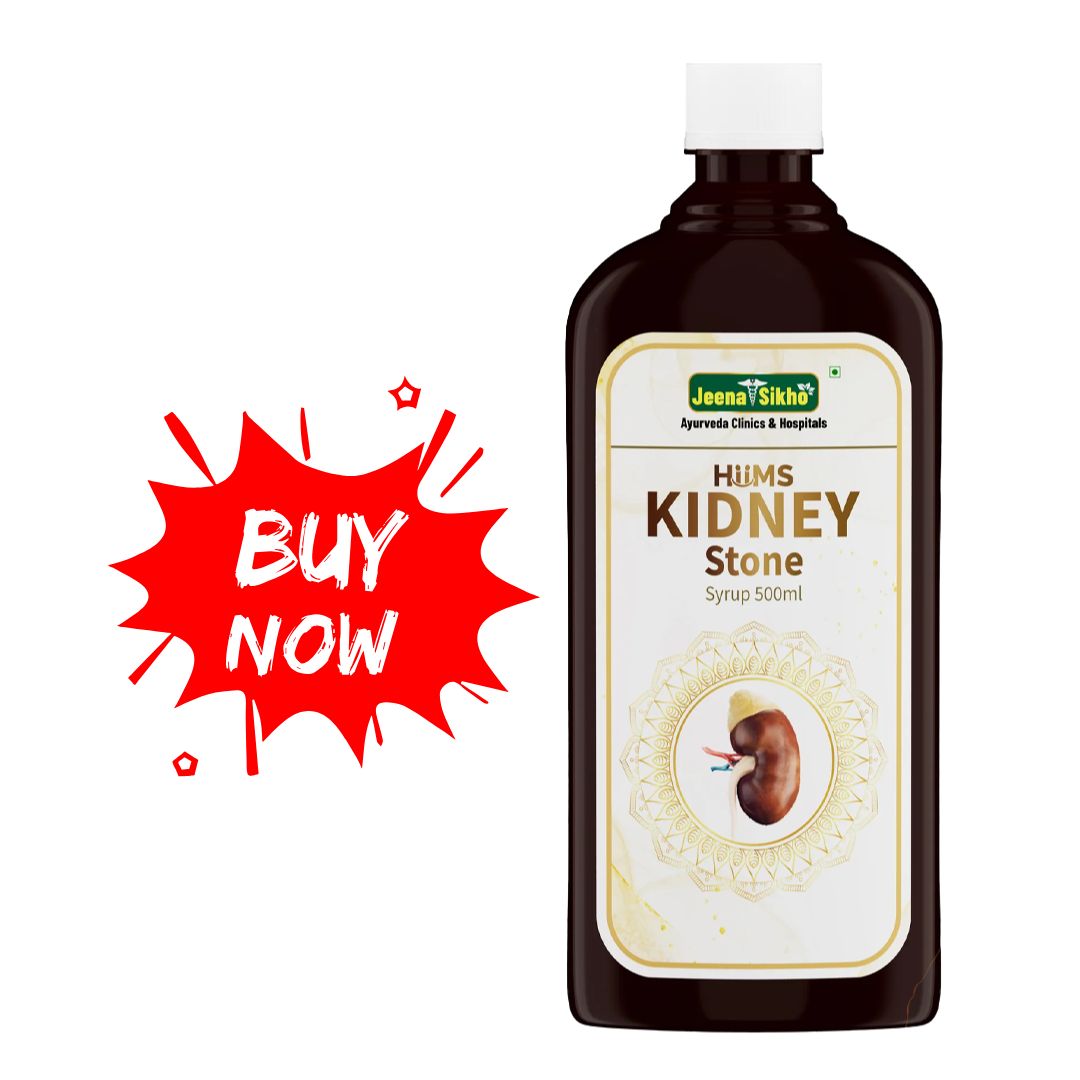
Used as advised by doctors, the syrup aims to assist the body’s natural detox pathways and help reduce urinary discomfort. For daily use, follow your doctor’s or any ayurveda expert’s directions so the syrup fits within a wider kidney stone treatment plan.
Why Expert Guidance Matters
Even when relying on natural care, professional input matters. Such as scans reveal stone size and position, tests check for infection, and a kidney hospital provides the monitoring needed to switch to procedural care if risk increases.
Combining careful home measures with regular healthcare review keeps recovery organised and safer.
Conclusion
A considered treatment for kidney stones without surgery combines a proper hydration, simple dietary changes, specific herbal support, and measured healthcare supervision to help the body pass small stones and reduce recurrence.

Natural measures such as the HiiMS kidney stone relief syrup may support urine flow and comfort when used under a doctor’s plan, and lifestyle shifts help protect kidney health over time. If symptoms persist or intensify, timely evaluation at a trusted kidney hospital such as Jeena Sikho ensures safety while preserving non-surgical options whenever possible.
For personalised guidance, contact Jeena Sikho HiiMS at +91 82704-82704 or email care@jeenasikho.com for expert support and follow-up.
FAQs
What immediate steps should I take for sudden kidney stone pain?
Begin sipping clear water steadily, avoid heavy food, use doctor-prescribed pain relief, and seek healthcare advice for evaluation.
Can diet changes really help prevent kidney stones?
The consistent hydration and shifting to lighter, less salty meals reduce the concentration of minerals that form crystals.
Is herbal support safe alongside regular medicines?
Herbal remedies can be helpful but should be used only with a doctor’s guidance to avoid interactions and ensure correct dosing.
How long does it usually take for a small stone to pass naturally?
Small stones may pass within days to a few weeks under proper hydration and monitoring, depending on size and position.
When should I consider visiting a kidney hospital?
If pain becomes severe, urine contains noticeable blood, fever develops, or symptoms persist despite home measures, consult specialists at Jeena Sikho HiiMS right away.
Disclaimer: The information provided on this blog is for general educational and informational purposes only. It is not intended to replace professional medical advice, diagnosis, or treatment. Always consult a qualified healthcare professional before making any changes to your diet, lifestyle, or treatment plan. Individual results may vary.