
Kidney stones affect many households and can disrupt daily life when pain or urinary problems arise. Learning what triggers these mineral deposits lets you make practical changes to reduce recurrence and protect kidney function.
This blog discusses what causes kidney stones. in simple language, then guides you through the usual symptoms, likely complications, and sensible prevention steps suited to ordinary routines. You will also read how water intake, food choices, and digestion impact stone formation; when to consult a professional; and what treatments are commonly offered, including natural Ayurvedic supports.
The aim is to provide clear, usable advice that a reader can act on without medical technical terms or cause for concern. By the end of this blog, you will understand how stones form, how to notice early signs, which risks deserve quick attention, and simple daily measures that support a natural kidney cleanse and steady kidney health.
What Are Kidney Stones?
Kidney stones are compacted collections of minerals and salts that develop inside the kidney when urine becomes concentrated or chemically unbalanced. These formations range from very small grains that often pass unnoticed to bigger pieces that get trapped in the urinary tract and cause a cramping type of pain.
Stones commonly form when calcium, oxalate, uric acid, or other crystal-forming substances reach levels that the body cannot dilute. Once a stone moves from the kidney into the narrow ureter, it produces more intense symptoms, which cause people to seek professional help.
Symptoms of Kidney Stones You Should Not Ignore
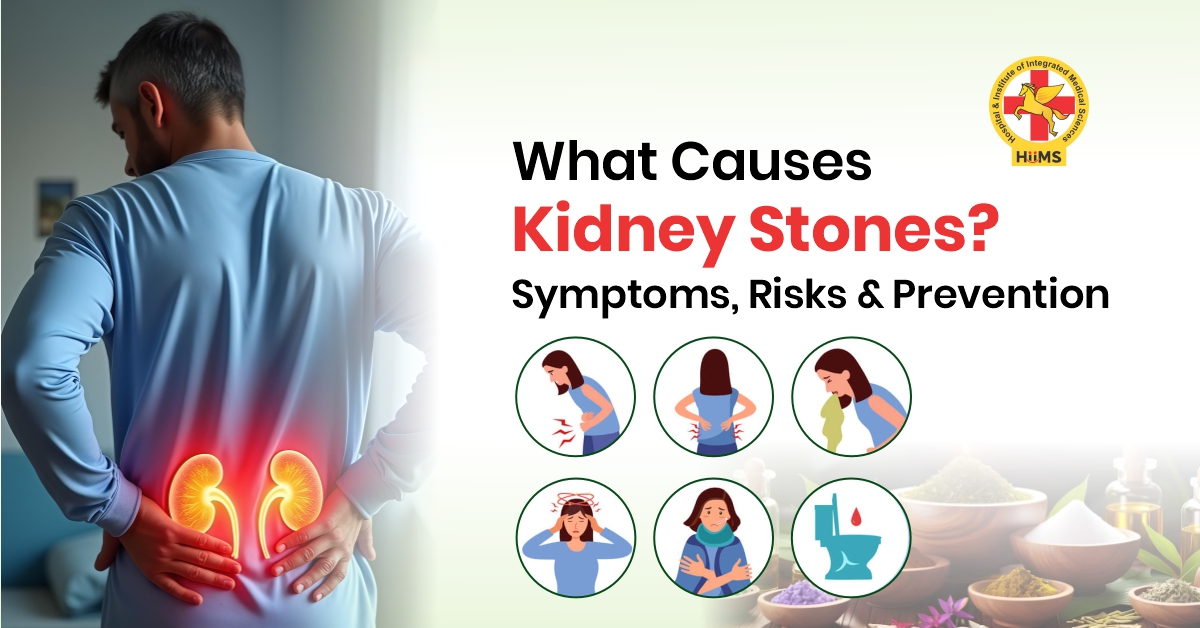
- Sudden Pain in the Back or Side: Pain that begins near the lower ribs and moves toward the groin is a typical sign and often comes in waves.
- Burning or Painful Urination: Irritation from a stone can make urination uncomfortable and urgent.
- Blood in Urine or Cloudy Urine: Visible color change or persistent cloudiness indicates irritation or infection.
- Frequent Urge to Urinate: When a stone moves closer to the bladder, it can cause a constant feeling of needing to pass urine.
- Nausea, Vomiting, or Fever: When pain is severe or an infection develops, these additional symptoms may appear and require timely natural treatment for kidney stones.
Risks of Ignoring Kidney Stones
If stones remain untreated, they can block the normal flow of urine and may cause swelling in the affected kidney. If the blockage remains for a long period, infections may occur again and again, and over time the kidneys may not work as well as they should, which may require proper kidney disease treatment. Getting medical advice early helps keep the problem from becoming more serious.
Diagnosis and Medical Care
Doctors confirm stones using urine tests, blood tests, and scans. These tests reveal stone size, location, and the chemical environment that encouraged formation, which helps guide treatment for kidney stones. When intervention is needed for kidney stone removal, the removal basically is kind of like the stone will be removed naturally without any kind of harmful procedure.
Natural Kidney Cleanse and Prevention Methods
The most reliable preventive step is consistent hydration to dilute urine and reduce crystal formation. A balanced diet that limits excess salt and processed foods while including fruits and vegetables as salads, along with whole grains, helps support healthy metabolism. Ancient herbs and supervised therapies can also assist a gentle kidney cleanse under professional guidance.
Regular physical activity and avoiding long periods of holding urine are simple habits that decrease risk.
When Should You Visit a Kidney Doctor or Kidney Hospital?
It’s better to see a specialist if the pain increases, blood appears in urine, a fever starts, or you notice clear changes while passing urine. A kidney doctor at a trusted kidney hospital such as Jeena Sikho HiiMS can check the condition, suggest whether removal, observation, or natural therapy is needed, and guide follow-up care to help prevent stones from returning.
Ayurvedic Care and Holistic Support at Jeena Sikho HiiMS
At Jeena Sikho HiiMS, doctors use medical tests along with Ayurvedic principles that focus on improving digestion and clearing toxins from the body.
Treatment plans often pair dietary correction and lifestyle advice with herbal supports aimed at reducing stone-forming tendencies while strengthening overall kidney health.
When patients ask, “What causes kidney stones? The answer often points to fluid habits and diet; exploring individual kidney stone causes with your kidney doctor clarifies choices and guides a personalized plan for safer recovery and follow-up.
Conclusion
Understanding the answer to “What causes kidney stones?” gives you an upper hand in protecting kidney health because it turns unspecific worry into clear, manageable steps.
When people learn which daily habits most commonly contribute to stone formation, they can change fluid intake, adjust diet, and seek medical advice early to avoid complications. Combining sensible lifestyle changes with timely professional assessment offers the best chance to prevent repeat episodes and protect long-term kidney function.
If you notice warning signs or have a family history of stones, consult an experienced kidney doctor at Jeena Sikho HiiMS without delay. For guidance and holistic care, call +91 82704 82704 or email care@jeenasikho.com today.

FAQs
1. What usually causes kidney stones?
Dehydration and diets high in salt or certain minerals are common contributors to stone formation.
2. How quickly should I see a doctor for kidney stone symptoms?
If the pain becomes very strong, the urine looks different in color, or fever and vomiting start, it is better to see a doctor.
3. Can lifestyle changes reduce the chance of new stones?
Regular hydration, a balanced diet, and avoiding processed foods lower the risk of recurrence.
4. Are there nonsurgical options for removing stones?
Small stones often pass with fluids and pain control, while larger ones may need focused procedures.
5. Does Ayurveda help with kidney stones?
Ayurvedic care that focuses on digestion and herbs may support natural stone prevention and recovery when supervised by professionals.
Ayurvedic Kidney Care Products
100% natural, certified Ayurvedic formulations crafted for targeted kidney wellness.


Disclaimer: The information provided on this blog is for general educational and informational purposes only. It is not intended to replace professional medical advice, diagnosis, or treatment. Always consult a qualified healthcare professional before making any changes to your diet, lifestyle, or treatment plan. Individual results may vary.