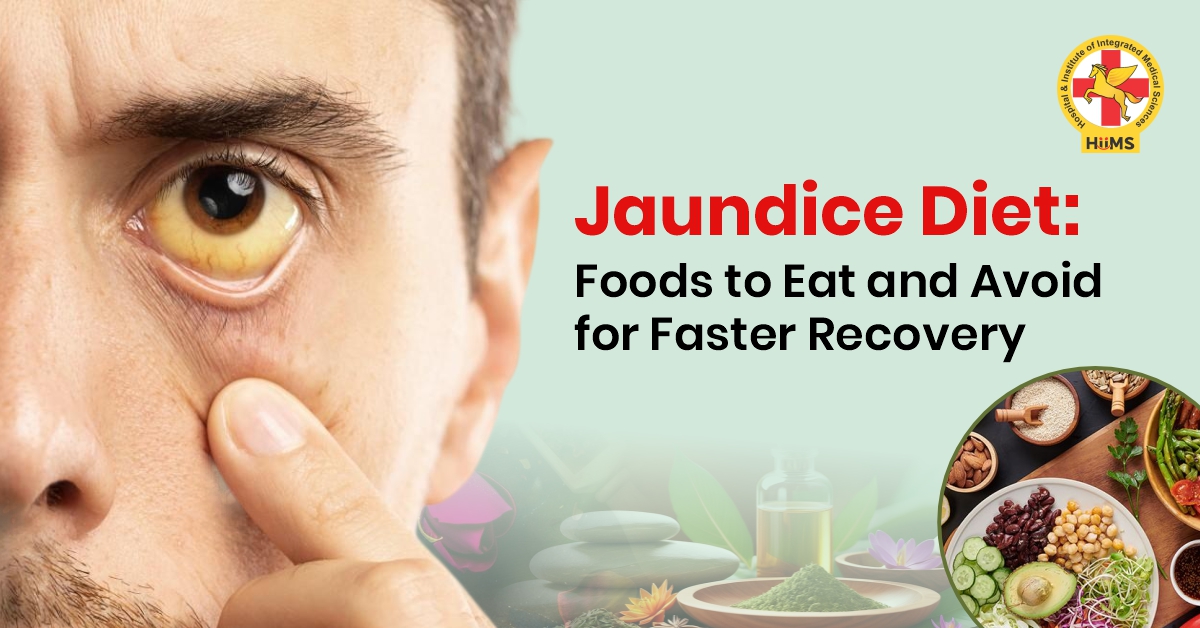

Food shapes how we feel, and when the liver struggles, choosing the right meals becomes part of recovery rather than a routine. Those who feel tired, lose appetite, or notice yellowing in the eyes usually find simple, warm dishes easier to digest than heavy or spicy meals.
A careful jaundice diet includes simple, plain, fresh ingredients that hydrate and nourish without forcing the liver to work harder. Small servings at routine times, clean, hygienic cooking, and mild spices in small amounts help digestion stay calm. Rest combined with gentle eating gives the body space to heal while nature-based care does its work.
This blog clarifies which foods support healing and which to avoid, outlines common symptoms of jaundice, and describes typical causes of jaundice in very simple language. Read on for clear meal ideas, avoid-list points, and simple daily habits that aid steady recovery.
Understanding Jaundice and Its Impact on the Body
Jaundice shows when bilirubin rises, and the skin or eyes gain a yellow tint, a sign that liver processing needs a gentler routine.
Why Food Habits Matter During Recovery
When the liver is busy, meals become a part of healing. Light, plain food, smaller portions, and regular mealtimes ease strain and keep energy steadier.
Symptoms of Jaundice
Early Symptoms of Jaundice in Adults
Look for tiredness, dark urine, pale stools, and the first yellowing around the eyes, which are some common symptoms of jaundice that indicate it is time to act.
Symptoms of Jaundice in Children
Infants and children may feed less, sleep more, or be unusually quiet while showing slight yellowing; parents should watch for poor feeding and reduced wet nappies.
Warning Signs Not to Ignore and When to See a Doctor
Worsening pain, fever, or rapidly deepening yellow colour, and any other symptoms of jaundice need prompt medical check and proper diagnosis.
Causes of Jaundice
Causes of Jaundice in Adults
Viral hepatitis, blocked bile ducts, and prolonged liver-related issues from certain medicines or alcohol are common causes of jaundice.
Causes of Jaundice in Newborns
In newborns, temporary yellowing often results from an immature liver that usually improves with feeding and observation.
Other Causes
Inflammation, infections, and lifestyle habits such as irregular meals or excess alcohol can all contribute to the causes of jaundice.
Jaundice Diet: Foods to Eat for Faster Recovery
- Hydrating and Cooling Fluids: Coconut water, warm water, and herbal teas keep fluids steady and support cleansing.
- Fresh Fruits That Are Easy to Digest: Papaya, apple, and watermelon provide gentle enzymes and water that soothe digestion.
- Simple Home-Cooked Meals: Soft khichdi, moong dal, and lightly cooked millets give fiber, nutrients, and ease of relaxation without heaviness.
- Vegetables That Support Gentle Digestion: Steamed bottle gourd, pumpkin, and carrots add fiber and simple nutrition while staying easy on the stomach.
- Balanced Eating Habits During Recovery: Choose small, timely meals and avoid long gaps to support digestion and prevent fatigue.
Foods to Avoid During Jaundice
- Oily and Fried Foods: Fried snacks and heavy gravies force the liver to work harder and should be avoided.
- Processed and Packaged Items: Preservatives, excess salt or sugar can disturb recovery.
- Heavy Protein and Rich Foods: Avoid non-vegetarian items and dairy products completely.
- Sugary and Carbonated Drinks: Sodas and sweets reduce appetite and upset fluid balance.
- Irregular Eating Patterns: Late dinners and overeating can disturb the steady routine that the body needs for proper recovery.

Conclusion
Recovery after jaundice grows from steady, everyday choices that do not overwhelm the body. A kind, simple jaundice diet that focuses on hydration, warm home-cooked meals, and gentle timing allows the liver to rebuild while keeping energy steady. Watch for any returning symptoms of jaundice, such as increased yellowing, dropping appetite, or pain, and be ready to seek tests if needed. Understanding common causes of jaundice helps prevent repeated strain by guiding safer food and lifestyle choices in the coming weeks.
For personalised support and diet planning, contact Jeena Sikho HiiMS at +91 82704-82704 or email care@jeenasikho.com, and we will arrange proper guidance today.
FAQs
Q1. What foods help during jaundice recovery?
Soft khichdi, steamed vegetables, and hydrating fruits are gentle and nourishing choices that help digestion.
Q2. How much water should someone drink during jaundice?
Sip fluids enough through the day to keep urine light and support natural cleansing.
Q3. How long should a light diet be followed after jaundice starts?
Continue simple meals until appetite and normal body colour return, and follow healthcare advice for assessments and timing.
Q4. Are fresh juices useful when recovering from jaundice?
Fresh, hygienic juices can help with hydration when balanced with meals.
Q5. When should medical help be sought during recovery?
Seek prompt review if yellowing increases quickly or if fever, severe belly pain, or confusion develops.
Disclaimer: The information provided on this blog is for general educational and informational purposes only. It is not intended to replace professional medical advice, diagnosis, or treatment. Always consult a qualified healthcare professional before making any changes to your diet, lifestyle, or treatment plan. Individual results may vary.