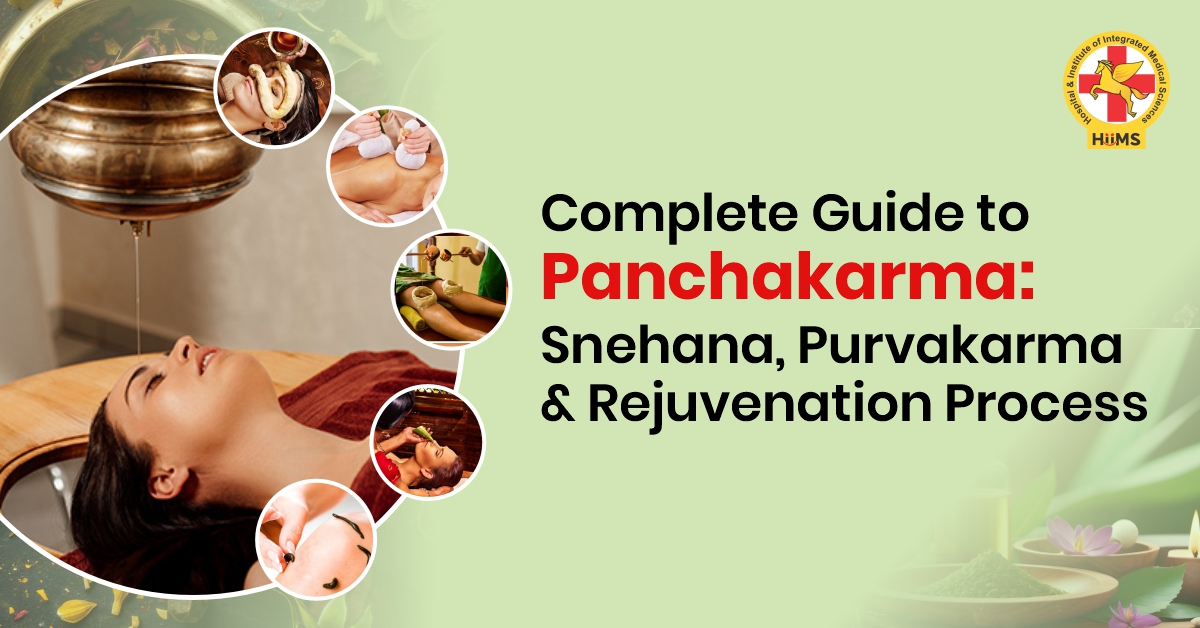

Daily life often leaves the body without the quiet it needs to restore itself. Long work hours, hurried meals, uneven sleep and constant screen time slowly combine until digestion feels sluggish, mornings feel heavy, and focus disappears during the day. When these small shifts keep happening, the system, the body, needs more than rest; it requires a careful, stepwise reset that respects how the body holds and removes waste.
And traditional cleansing practices support this idea, they do not push or shock, but prepare tissues, settle digestion and guide accumulated material toward safe elimination. The core of many ancient therapies is snehana therapy, a measured phase of internal and external oleation using warm medicated oils and ghee. This step gently softens tissues and encourages hidden impurities to move toward the digestive tract so the main cleansing can proceed with ease.
In this blog you will find a clear, practical guide to the preparatory measures, the main cleansing steps, and the follow-up care that together rebuild comfort and resilience.
Table of Contents
Understanding Panchakarma as a Complete Healing Cycle
Panchakarma unfolds in three connected stages: the preparatory phase, the main cleansing actions, and the restorative phase. The first stage, which is commonly called the preparatory process, prepares tissues and digestion so the main therapies can remove deep-seated material safely. The cleansing stage then focuses on targeted elimination, while the recovery stage rebuilds strength and supports lasting balance.
Why Preparation Matters
Preparing the body improves comfort and outcome by easing the movement of stored material. Gentle oiling, targeted massage and controlled sweating reduce the force needed during elimination and help the body adapt steadily.
What is Purvakarma? The Essential Preparation Phase
Purvakarma refers to the practical steps taken before the main cleansing begins. It includes both internal and external methods, each chosen to suit digestion, constitution and current health. The main goal is to make deep deposits mobile so they can be expelled safely.
Core Components of the Purvakarma Procedure
Two practices form the core: snehana therapy for internal and external oleation and swedana therapy to promote sweating and open channels. These combined methods make it easier for later treatments to work without causing excess strain.
Snehana Therapy: The Foundation of Preparation
Snehana therapy focuses on nourishing tissues with medicated oils and ghee. Internally, small, supervised doses of medicated ghee help soften fat-soluble deposits and direct them toward the digestive tract; externally, warm oil applications and massage improve circulation and tissue pliability.
Types of Snehana Used in Preparation
Internal oleation (Abhyantara) uses medicated ghee or oils to prime the system, while external oleation (Bahya) relies on bodywork such as abhyanga oil massage or specialised local oil retention techniques for joints and spine. Each method supports the next stage by easing stiffness and calming the nervous system.
Abhyanga Oil Massage and External Snehana Methods
A scheduled abhyanga oil massage relaxes muscles, improves lymphatic flow, and enhances skin texture. Localised oil therapies and warm oil pours also nourish specific areas and increase readiness for heat applications.
Other External Practices
Local oil retention for joints, gentle oil pouring and mild rhythmic massage all aim to soften tissues and encourage better circulation ahead of sweating and elimination therapies.
Swedana Therapy: The Second Step After Snehana
Following oiling, swedana therapy uses controlled steam or heat to encourage sweating, which further liquefies the material loosened by oils. When heat and oil work together, the body allows safer migration of impurities toward elimination.
How Snehana and Swedana Work Together
Softening and warmth make tissues receptive: oils coax stored material out of deeper layers, and gentle heat helps push that material into channels where it can be managed by the digestive tract or other elimination pathways.
Snehana Therapy Benefits for Body and Mind
Physical Benefits
Among the clear snehana therapy benefits are improved joint comfort and greater flexibility, smoother digestion and healthier skin texture. The benefits of snehana oil therapy also show up as reduced stiffness and subtle rejuvenation of tissues.
Mental and Emotional Support
These practices commonly bring calm, better sleep and reduced tension. People often report a steadier mood and clearer thinking after the preparatory sequence because the nervous system is soothed while the body is being nourished.
Rejuvenation Phase After Panchakarma
Importance of Post-Cleansing Care
After the main cleansing actions, the body needs careful rebuilding. Diet adjustments, rest and targeted therapies help tissues regain strength and support long-term balance.
Restoring Energy and Vitality
A gentle, nourishing diet and progressive activity restore digestion and energy. When post-care is tailored to the person, the gains from cleansing tend to last, and daily comfort improves.
How a Structured Panchakarma Plan Supports Long-Term Wellness
A personalised plan that sequences purvakarma procedure, targeted cleansing and gentle rejuvenation offers the safest path to steady well-being. Supervision and follow-up help people adapt the process to their needs and maintain benefits over time.
Conclusion
A complete cleansing journey succeeds when preparation, careful detox and steady recovery are given equal attention. Through a well planned purvakarma procedure and appropriate and properly scheduled snehana therapy, the body is guided to release what no longer serves while tissues receive nourishment.
Post-treatment care restores digestion, rebuilds strength and helps the benefits hold beyond the immediate therapy. When these stages are practised under knowledgeable guidance, people often notice clearer energy, gentler movement and steadier focus in daily life.
To explore a personalised plan or ask specific questions, contact a centre like Jeena Sikho HiiMS that offers tailored supervision and follow-up. Call +91 82704-82704 or email care@jeenashikho.com for guidance today.
FAQs
1. How does preparation help before Panchakarma?
Proper preparation softens tissues and supports digestion, which makes the main cleansing safer and more comfortable.
2. What does oil-based preparation usually involve?
It includes measured internal oleation and external oil applications that gently mobilise stored impurities in the body.
3. How long might the preparatory phase take?
Duration depends on individual body type, digestion and condition, and a practitioner will advise a suitable timeframe.
4. Will sweating be part of the preparation?
Controlled sweating is often used after oiling to open channels and encourage the circulation of loosened material.
5. What happens during the recovery phase?
Recovery focuses on light nourishment, rest and gradual return to activity to rebuild strength and maintain results.

Disclaimer: The information provided on this blog is for general educational and informational purposes only. It is not intended to replace professional medical advice, diagnosis, or treatment. Always consult a qualified healthcare professional before making any changes to your diet, lifestyle, or treatment plan. Individual results may vary.