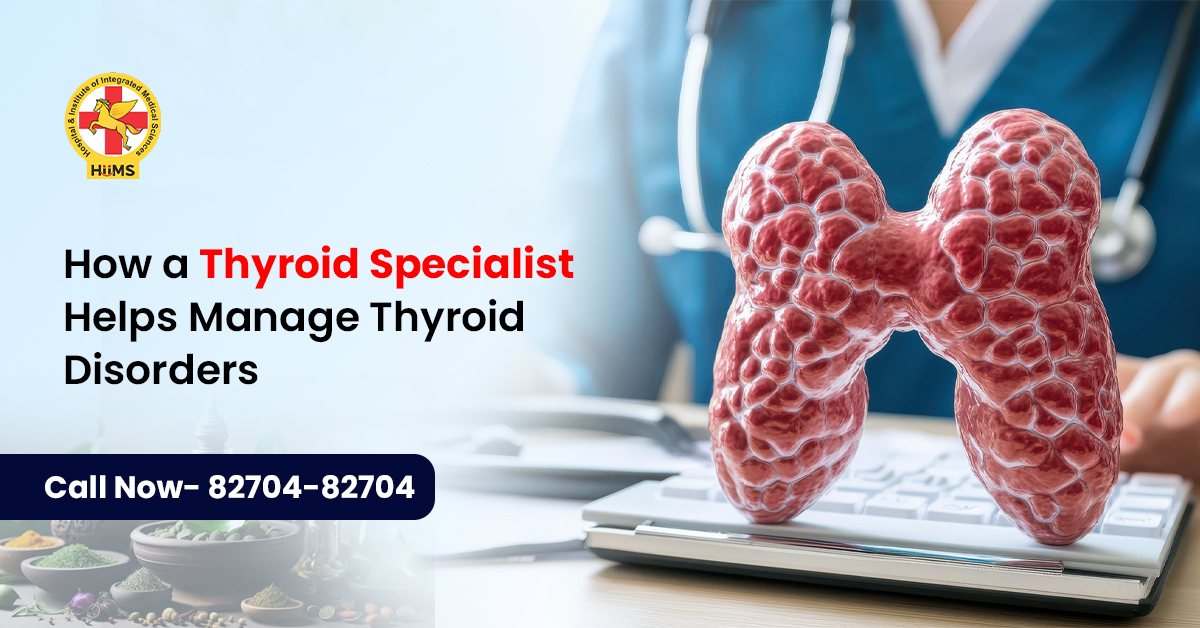

Thyroid problems are becoming common these days. Many people ignore early signs because they feel small or confusing. Weight changes, tiredness, hair fall, mood swings sometimes are blamed on stress or lifestyle. In many cases, the thyroid is actually involved. It is a small gland in the neck, but it manages important hormones linked to energy, metabolism, heartbeat, and periods. An underactive or overactive thyroid can lead to varied physiological responses in the body.
This is where a thyroid specialist plays an important role. Instead of only treating lab reports, a specialist studies the overall health pattern. The aim is not just temporary correction but proper long-term management. At Jeena Sikho HiiMS, patients are guided through structured evaluation and personalised planning. With the right supervision, thyroid disorders can be handled in a stable and safe manner.
Table of Contents
Common Signs of Thyroid Disorder
Thyroid symptoms are not always dramatic. Many times, they develop slowly, so people adjust to them without realising. In some cases, symptoms may vary depending on whether thyroid activity is high (hyperthyroidism) or low (hypothyroidism). A thyroid doctor looks at these differences carefully before planning treatment.
- Constant fatigue even after rest
- Sudden weight gain or weight loss
- Hair thinning or hair fall
- Irregular periods
- Feeling too cold or too warm
- Swelling in the neck
- Mood changes or anxiety
- Slow heart rate or rapid heartbeat
If these signs continue, medical attention becomes necessary.
Main Causes of Thyroid Problems
Thyroid imbalance does not happen without reason. There are internal and external triggers.
In women, hormonal shifts play a strong role. That is why discussions about the causes of thyroid patients often include reproductive and lifestyle factors.
Some common causes include:
- Autoimmune conditions (where the body attacks its own thyroid gland)
- Family history of thyroid disorders
- Hormonal changes after pregnancy
- Chronic stress
- Nutritional deficiencies
- Iodine imbalance
- Long-term use of certain medications
Women are more frequently affected because of hormonal cycles, pregnancy, and menopause changes. So early screening is often advised.
How a Thyroid Specialist Evaluates the Condition?
A thyroid specialist does not rely only on one blood test. Detailed history is taken first. Symptoms, sleep patterns, digestion, stress level, menstrual cycle in women all these are considered. After that, thyroid profile tests, sometimes ultrasound of the thyroid gland, and other hormonal tests may be suggested. The idea is to understand the pattern. Treatment differs if the issue is mild, chronic, autoimmune, or temporary. At Jeena Sikho HiiMS, evaluation is done in a structured way. The team focuses on balanced management instead of suppressing symptoms for short periods.
Ayurvedic Thyroid Care Approach
Ayurveda views thyroid imbalance as a dosha disturbance mainly Kapha in hypothyroidism and Pitta in hyperthyroidism. Treatment is not general for everyone. It is individualised. That is why supervision by a trained thyroid specialist is important.
Panchakarma Procedures
Panchakarma is a five-step detox process used in selected cases.
- Vamana – Controlled cleansing therapy, useful when Kapha imbalance is present.
- Virechana – A planned herbal cleansing method used when Pitta is high.
- Basti – In this therapy, medicated oils or herbal liquids are given rectally to settle Vata and help digestion work properly.
- Nasya – Herbal oils are placed in the nose to clear the head region in a traditional way.
- Raktamokshana – Blood cleansing therapy in specific situations.
These therapies are performed under medical observation only.
Diet and Lifestyle for Thyroid Balance
Diet plays a major role. Without correcting daily food habits, improvement becomes difficult. If thyroid function is low and Kapha is dominant, it is better to keep food light and warm. Adding ginger, black pepper, cinnamon, steamed vegetables, and whole grains helps. At the same time, processed snacks and too much sugar should be limited. For high thyroid function (Pitta imbalance), cooling foods such as cucumber, coconut water, leafy greens, and fennel are suggested. Very spicy and fried items are restricted.
Doing Surya Namaskar, Bhujangasana, and Sarvangasana regularly can help keep hormones more balanced. Pranayama, adequate sleep of 7–8 hours, and daily oil massage (Abhyanga) are also included in routine care advice. At Jeena Sikho HiiMS, these aspects are explained in detail so patients understand how daily habits influence thyroid balance.
Why Supervision Matters in Thyroid Management?
Many people start self-medicating after reading online advice. This can disturb hormone levels further. A thyroid doctor keeps checking the dose, repeats blood tests when needed, and tracks how symptoms are changing. Stopping medicines suddenly or taking them irregularly can create problems later. Regular follow-ups ensure stability. Thyroid disorders require patience. With monitored care, gradual correction is possible.
Conclusion
Thyroid disorders may look simple at first, but they affect multiple systems in the body. It is better not to ignore symptoms or depend only on temporary relief. A trained thyroid specialist looks at everything properly reports, daily routine, hormone levels, and overall health planning. This structured approach helps in steady and balanced management.
At Jeena Sikho HiiMS, patients receive supervised care plans designed according to individual conditions. The focus remains on sustainable correction rather than quick fixes. If you have been experiencing unexplained fatigue, weight fluctuation, menstrual irregularities, or mood changes, it is better to seek timely evaluation. Early attention prevents complications later. It is better not to postpone consultation. Fix an appointment with an experienced thyroid specialist and move ahead with proper thyroid care.

FAQs
1. When should I consult a thyroid specialist?
If symptoms persist for weeks or lab reports show imbalance, consultation is advised.
2. Are thyroid disorders more common in women?
Yes, especially due to hormonal fluctuations and pregnancy-related changes.
3. Can diet alone correct thyroid problems?
Diet helps, but medical supervision is usually required.
4. Is Panchakarma safe for thyroid patients?
It is safe when done under trained medical supervision.
5. Do thyroid medications need lifelong use?
Not always; duration depends on the type and severity of the disorder.

Disclaimer: The information provided on this blog is for general educational and informational purposes only. It is not intended to replace professional medical advice, diagnosis, or treatment. Always consult a qualified healthcare professional before making any changes to your diet, lifestyle, or treatment plan. Individual results may vary.