Heart problems often start quietly. Most people do not feel anything unusual at first. Life goes on: work, family, and stress. Symptoms are ignored until they become hard to manage. That is why learning about heart health matters so much. Heart disease affects millions of people across the world and remains one of the leading causes of serious health issues today. It usually develops slowly. Poor food habits, stress, lack of movement, and unhealthy routines play a big role.
Early awareness can prevent long-term damage. It can also improve quality of life. Many believe heart issues affect only older people, but that is not always true. Younger adults face risks too. Family history, smoking, diabetes, and high blood pressure increase the chances quietly, over time.
Healthcare centers like Jeena Sikho HiiMS focus on creating awareness and encouraging early attention toward heart health. Knowing the signs, and knowing when to act, can truly change outcomes. This blog talks about symptoms, causes, diagnosis, and simple solutions to manage heart-related concerns in an easy and clear way.
What Is Heart Disease?
Heart Disease is a general term. It covers many conditions that affect how the heart functions. Some issues involve blood vessels. Others affect heart rhythm or heart muscles. One common condition is heart blockage, where fatty deposits collect inside arteries. Blood flow slows down.
Over time, reduced blood supply puts pressure on the heart. This raises the risk of serious events. In some cases, the heart muscle becomes weak or stiff. Pumping blood becomes difficult. These problems do not appear suddenly. They build up slowly, often over years, shaped by lifestyle habits and health conditions like obesity and high cholesterol.
Early Warning Signs You Should Not Ignore
Early heart warning signs often appear quietly through small body changes that are easy to overlook but signal deeper heart problems.
Chest Discomfort and Pressure
The body often gives warning signs before a serious heart problem develops. One of the most common signs is chest discomfort. Many people feel pressure, tightness, heaviness, or a burning sensation in the chest. This discomfort often appears while walking, climbing stairs, or doing physical activity.
Shortness of Breath During Daily Activities
Feeling breathless while doing simple tasks can be an early sign of heart trouble. Simple activities such as walking a short distance, using stairs, or speaking for longer periods may feel exhausting. This occurs when the heart does not pump sufficient oxygen-rich blood to the body.
Unusual Tiredness and Weakness
Being tired most of the time, even after enough sleep or rest, may signal a health concern. This tiredness does not feel like normal fatigue. The body feels weak and low on energy. Strength drops without any clear reason. Many people ignore this, especially during busy days, but constant tiredness can be an early sign of heart-related disease.
Irregular Heartbeat or Palpitations
An uneven heartbeat can feel like fluttering, racing, or skipping beats at times. Some people feel strong heartbeats even while sitting quietly. Occasional changes can be normal, but frequent or sudden palpitations should be checked. These signs may point to heart rhythm problems that need medical attention.
Swelling in Feet, Ankles, or Legs
Swelling in the lower body can happen when blood circulation slows down. Fluid builds up in the feet, ankles, or legs. This is often noticed at the end of the day. While swelling can have many causes, persistent swelling may signal that the heart is not working efficiently.
Pay attention to these symptoms and seek medical advice early to prevent serious heart complications.
Causes and Risk Factors
Many factors contribute to heart disorders. Unhealthy diet, physical inactivity, smoking, and ongoing stress are major reasons. High blood pressure and diabetes slowly damage blood vessels. This increases the risk of heart blockage over time. Genetics also plays its part.
Age does increase risk, but daily habits matter more. Processed foods, excess salt, and sugar weaken heart health. Long working hours and poor sleep disturb balance. Emotional stress creates hidden strain. Small daily changes can lower long-term risk more than most people think.
Why Early Attention Matters
Early warning signs may feel mild. Easy to ignore. Delaying care raises the risk over time. Noticing small changes in the body is very important. These signs are often the heart’s way of asking for care. Acting early supports timely diagnosis and correct treatment, reducing the risk of major problems later.
How Doctors Diagnose Heart Problems
Different medical tests are used to assess heart health. Blood tests measure cholesterol and blood sugar. An ECG shows how the heart beats. Imaging tests help doctors see blood flow in the arteries.
Early detection helps plan heart disease treatment correctly. Regular checkups are important, especially for people with risk factors. Finding issues early often reduces complications and supports faster recovery.
Effective Solutions for Heart Disease Care
Effective heart condition care starts by understanding the real cause instead of only managing symptoms. At Jeena Sikho HiiMS, heart care focuses on a balanced and patient-centered approach. Emphasis is placed on improving lifestyle habits, supporting natural healing, and strengthening heart function through guided care.
Personal diet plans, regular stress control methods, and well-structured daily habits play a key role in recovery. Along with this, timely medical care helps manage blood pressure, sugar levels, and cholesterol as part of effective heart disease treatment. This integrated approach supports long-term heart health and helps reduce the chances of serious complications. With consistent care and early attention, many heart conditions can be managed more effectively and safely.
Preventing Heart Attacks and Complications
A heart attack happens when blood flow to the heart suddenly gets blocked. Identifying symptoms early and getting medical help fast is very important. Immediate heart attack treatment helps limit damage to the heart.
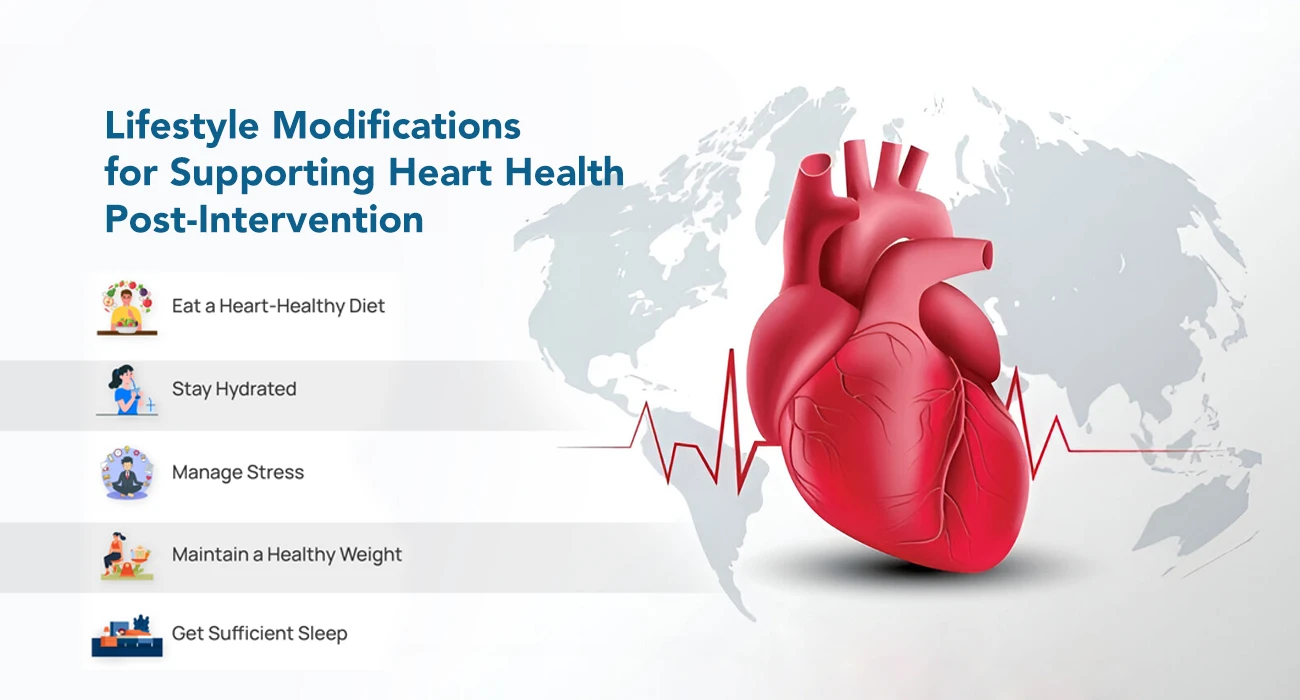
Prevention is possible by stopping smoking, staying active every day, and keeping a healthy body weight. Good sleep and managing stress also help protect heart health. Simple habits like walking daily, breathing exercises, yoga, and eating balanced meals give long-term benefits.
Conclusion
Heart health should never be ignored. Heart Disease often grows silently, but awareness changes outcomes. Knowing symptoms, understanding risks, and acting on time protects life. Small lifestyle shifts and routine checkups support long-term well-being.
Hospitals like Jeena Sikho HiiMS highlight awareness, prevention, and balanced heart care. With the right knowledge and daily discipline, many heart conditions can be managed well. Taking action today leads to a stronger, healthier heart tomorrow.

FAQs
Q1. What is heart- related disease?
Heart disease is a condition that affects how the heart works or pumps blood.
Q2. What are the early signs of heart conditions?
Chest discomfort, shortness of breath, and unusual tiredness are common early signs.
Q3. Can young people get heart ailments?
Heart ailments can affect young adults too, especially with poor lifestyle habits.
Q4. What is heart blockage?
Heart blockage happens when fatty deposits block blood flow in the arteries.
Q5. Is chest pain always linked to heart disorders?
Not always, but frequent or severe chest pain should never be ignored.