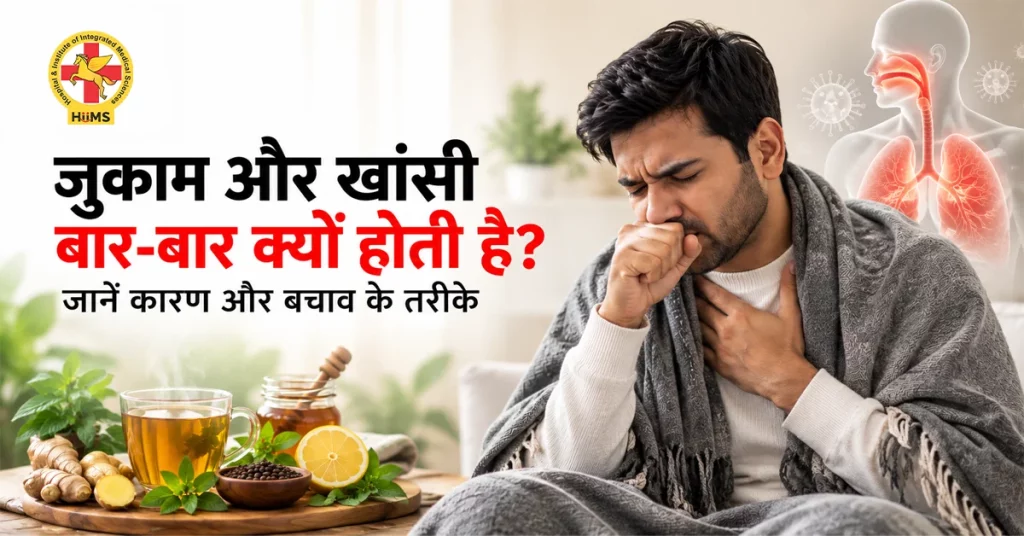

Asthma is a condition that makes breathing difficult sometimes. People with asthma may cough, wheeze, feel a tight chest, or get shortness of breath. These problems can happen suddenly or slowly, often after exposure to dust, smoke, cold air, or pollen. Stress can also trigger symptoms.
Many people ignore mild signs, thinking it is just a regular cough or tiredness. Frequent asthma attacks may impact daily activities, sleep, and overall health if left unmanaged. Consulting an Asthma Specialist is essential. They guide you properly and suggest care that suits you. Medicines give quick relief, but for long-term improvement, simple habits, breathing exercises, and natural support really help. At Jeena Sikho HiiMS, doctors work to provide an asthma permanent solution to reduce attacks and improve breathing safely.
Table of Contents
Key Symptoms of Asthma
Asthma can show differently in different people. Some common asthma symptoms are:
- Wheezing or a whistling sound while breathing
- Shortness of breath, often in the morning or at night
- Coughing that gets worse with activity or at night
- Chest tightness or heaviness
- Extra mucus or phlegm
Sometimes symptoms appear only when exposed to dust, cold, or smoke. Other times, they are persistent. Recognising these early and seeing an Asthma Specialist can prevent serious attacks and help manage asthma better.
Main Causes of Asthma
Asthma can happen for several reasons. Some common causes of asthma are:
- Being allergic to dust, pollen, or pet hair
- Getting frequent colds or chest infections
- Exposure to smoke, pollution, or chemicals
- Doing exercise if the body is sensitive
- Stress or sudden emotional changes
- Having a family history of asthma or lung problems
Knowing your triggers is very important. Avoiding them, keeping your home clean, and following doctor advice can reduce attacks and improve lung health.
Asthma Treatment with Ayurveda
Ayurveda can help people with asthma in a natural way. It makes the lungs stronger, helps digestion, lowers stress, and improves daily routines. Certain herbs are known as the Best Ayurvedic Medicine for Asthma because they help clear airways, reduce swelling, and prevent mucus.
Some common herbs are:
- Vasaka: Opens airways and clears congestion.
- Pushkarmool: Strengthens lungs and eases wheezing.
- Tulsi: Protects lungs and keeps breathing passages clear.
- Shunthi: Helps digestion and stops mucus build-up.
- Haridra: Reduces airway swelling and protects lungs.
Doctors prescribe these herbs according to your body type and routine. They may come as powders, tablets, or decoctions. If you follow an Asthma Specialist’s advice, these herbs can help reduce attacks and make breathing easier over time.
The CAAT Protocol for Easier Breathing
The CAAT Protocol makes breathing easier for asthma patients. It improves lung capacity and eases lung stress.
- C – Capacity of Lungs: Simple breathing exercises and easy postures help your lungs expand.
- A – Afferent Mismatch Correction: Fixing your posture takes pressure off your lungs.
- A – Air Flow: Breathe slowly and control airflow, sometimes with a small fan; this improves oxygen and eases shortness of breath.
- T – Test: Doctors keep an eye on your breathing and change exercises if needed.
Doing these exercises regularly can help you breathe better and reduce asthma attacks.
Daily Routine & Lifestyle Tips
Simple daily habits are very important for asthma care. Some tips include:
- Consume fresh, home-cooked meals daily.
- Limit fried and oily foods.
- Reduce intake of packaged snacks.
- Engage in daily walking, even briefly.
- Practise gentle breathing exercises consistently.
- Refrain from smoking and alcohol use.
- Monitor blood pressure, blood sugar, and general health regularly.
Small and steady steps work better than sudden big changes. Following them regularly helps prevent attacks and keeps lungs stronger.
Holistic Care at Jeena Sikho HiiMS
At Jeena Sikho HiiMS, our doctors treat asthma as well as other serious health conditions. They provide care for cancer, liver problems, heart disease, infertility, jaundice, and many other conditions. Patients are treated as a whole, so while asthma is managed, overall health and immunity are also strengthened. This ensures safer, long-term relief and a better daily life.
Asthma Prevention | Bronchial Asthma Symptoms & Treatment | Yoga Benefits | Acharya Manish Ji
👉 Watch the full video for complete guidance.
Conclusion
Asthma can make breathing tough and affect your daily life if not taken care of. Asthma symptoms like wheezing, coughing, and chest tightness should never be ignored. Seeing an Asthma Specialist can help you find an asthma permanent solution, reduce attacks, and improve lung health over time. Ayurveda helps with safe herbs, breathing exercises, and simple lifestyle changes that complement medical treatment.
If you or a family member experience repeated asthma problems, consult an asthma specialist early. At Jeena Sikho HiiMS, patients get personal care that provides both short-term relief and long-term support for lungs. Start small steps today to breathe easier and live comfortably every day.

Frequently Asked Questions
- What is an asthma specialist?
A doctor who treats and manages asthma and other lung problems. - Can asthma be permanently cured?
There is no instant cure, but proper care can give long-term relief. - Which herbs help with asthma naturally?
Vasaka, Pushkarmool, Tulsi, Shunthi, and Haridra. - What are common asthma symptoms?
Wheezing, coughing, chest tightness, and shortness of breath. - How often should I see an asthma specialist?
Regular check-ups are important, especially if attacks increase or symptoms persist.

Disclaimer: The information provided on this blog is for general educational and informational purposes only. It is not intended to replace professional medical advice, diagnosis, or treatment. Always consult a qualified healthcare professional before making any changes to your diet, lifestyle, or treatment plan. Individual results may vary.