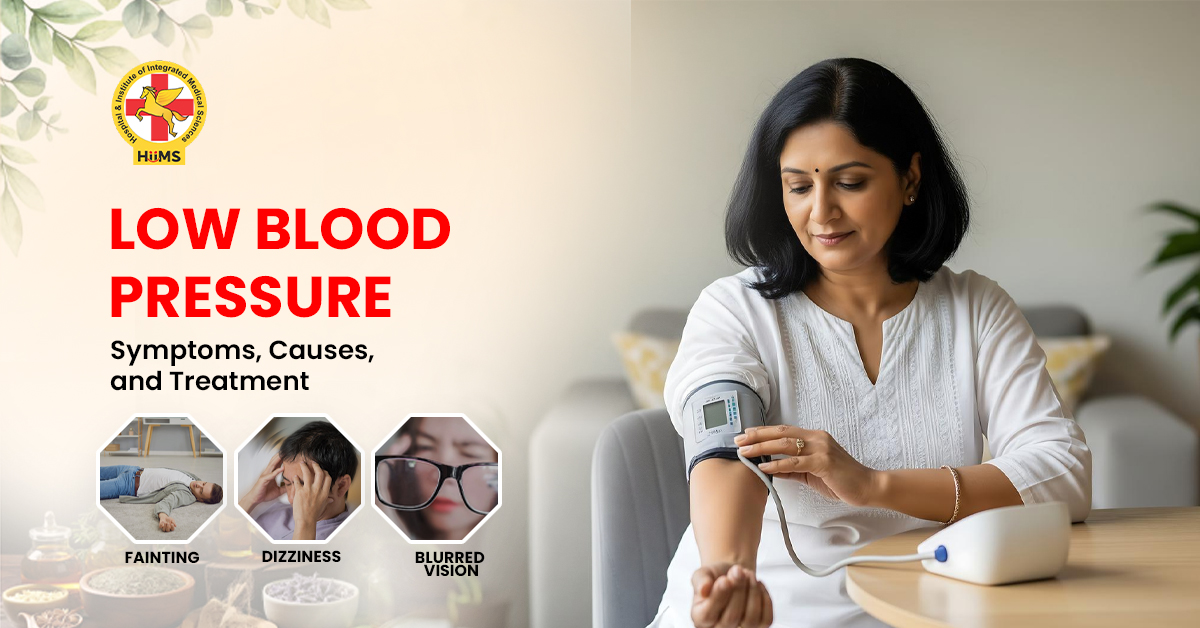

Low blood pressure is a problem many people ignore because it does not always show strong signs at first. It is also called hypotension. Blood pressure is the force with which blood moves in our arteries.
When blood pressure is too low, organs like the heart, brain, and kidneys may not get enough oxygen and nutrients. This can slowly make daily activities harder. At first, low BP symptoms may be mild, like feeling tired or a little dizzy. People often think it is because of stress or not sleeping well. But over time, the problem can grow. Even simple things like standing, walking, or focusing on studies or work can feel tiring.
It’s important for everyone-students, adults, and older people-to know about low blood pressure. If we notice the signs early, we can take steps to avoid bigger problems. This blog explains the common symptoms of low blood pressure, their causes, and easy ways to take care of it.
Understanding Low Blood Pressure
Low blood pressure means blood moves with less force than normal in the arteries. Because of this, the brain, heart, and other organs may not get enough blood. When this happens, the body can feel weak or tired.
Sometimes low blood pressure happens just once, like after dehydration. For some people, it stays for longer. If it is not managed, it can make you feel low on energy, unfocused, or unbalanced. Many people only worry about high blood pressure, but low BP symptoms are also important to notice for staying healthy.
Common Low BP Symptoms
Symptoms of low blood pressure can be different in different people. Some feel many signs, some only a few. Common signs are:
- Feeling dizzy or light-headed, especially when standing
- Fainting or feeling unconscious
- Feeling tired and weak all the time
- Blurred or dim vision
- Trouble concentrating or feeling confused
- Cold, pale, or sweaty skin
- Nausea or upset stomach
These low BP symptoms often get worse in the morning or if you skip meals. Ignoring them again and again is not good.
Causes of Low Blood Pressure
There are many reasons why blood pressure can drop, and the body shows bp low symptoms. Knowing them helps in care. Some main causes are:
- Not drinking enough water (dehydration)
- Blood loss from injuries or heavy periods
- Lack of nutrients like iron or vitamin B12
- Pregnancy or hormonal changes
- Heart problems or thyroid issues
- Severe infections
- Some medicines, like heart medicines or diuretics
These causes of low blood pressure reduce blood flow or volume. When the body cannot adjust properly, symptoms of low blood pressure start to appear.
How Low Blood Pressure Affects Daily Life
Low blood pressure can make normal activities harder. Standing suddenly may cause dizziness. Walking or working for long can bring weakness. Students may find it hard to focus on their studies. Older people may lose balance and fall easily.
If BP low symptoms continue for a long time, they may affect sleep, digestion, and mental focus. That is why noticing them early is very important.
When to See a Doctor
If the symptoms happen often or affect daily life, see a doctor. Fainting, confusion, or feeling weak all the time should not be ignored. Looking after low blood pressure early can stop bigger health problems and make daily life easier.
How Ayurveda Treats Low BP Naturally
In Ayurveda, low blood pressure is often caused by a Vata imbalance. When Vata is not balanced, the body’s flow slows, and digestion becomes weak. This can make a person feel tired, dizzy, or low on energy-just like the usual low blood pressure symptoms. Ayurveda uses gentle, natural ways for low blood pressure treatment, including:
Abhyanga (Warm Herbal Oil Massage)
A warm oil massage helps blood flow smoothly and calms the nervous system. It helps boost energy and makes the body feel steady. Doing it often can lower tiredness and make you feel stronger.
Shirodhara
In Shirodhara, warm herbal oil is poured steadily on the forehead. It relaxes the mind, reduces tension, and improves concentration. It also clears the mind.
Gentle Ayurvedic Herbs for Strength and Circulation
Certain herbs can naturally boost energy and circulation. Ashwagandha, Mulethi, Tulsi, Arjuna, and Ginger are commonly used. These herbs improve blood flow without causing side effects.
Hot Water Immersion Therapy
Soaking in warm water relaxes muscles and improves circulation. It encourages blood to move smoothly throughout the body and helps relieve feelings of weakness or dizziness.
Lower Leg Contrast Therapy
This therapy uses warm and cool water on the lower legs alternately. It helps improve blood flow and ease discomfort. It brings balance to the body.
Breathing Exercise
Breathing exercises like Anulom Vilom calm the nerves and improve oxygen flow in the body. Doing them every day can keep your energy steady and reduce dizziness from low blood pressure.
These Ayurvedic methods can be safely used alongside other low bp treatment. They support circulation, energy, and overall well-being naturally, without harsh medicines or interventions.
Daily Habits to Support Healthy Blood Pressure
Small daily habits can help a lot:
- Drink enough water all day
- Eat balanced meals regularly
- Avoid standing up too fast from sitting
- Take salt in moderation
- Rest and do simple breathing exercises to reduce stress
These habits help reduce low bp symptoms and increase energy naturally.
Conclusion
Low blood pressure may seem harmless at first, but it can slowly affect daily life. Dizziness, weakness, and mental fog are signs your body gives to get attention. Ignoring these symptoms of low blood pressure can make daily life harder. Understanding the causes of low blood pressure helps in choosing proper care.
By following easy habits, eating healthy, and getting the right guidance, your body can get back to balance naturally. Low blood pressure treatment is not about quick fixes. It is about listening to the body and taking gentle care. When attention is given on time, health becomes steady again, without fear or worry.
FAQs
Q1: Who can get low blood pressure?
It can happen to anyone-students, adults, or older people.
Q2: Can low blood pressure cause fainting?
Fainting or near-fainting episodes are common low blood pressure symptoms.
Q3: Is low blood pressure dangerous?
Low blood pressure is often harmless, but if it happens a lot, it can cause problems in daily life.
Q4: Which herbs help with low blood pressure?
Ashwagandha, Mulethi, Tulsi, or Arjuna support circulation.
Disclaimer: The information provided on this blog is for general educational and informational purposes only. It is not intended to replace professional medical advice, diagnosis, or treatment. Always consult a qualified healthcare professional before making any changes to your diet, lifestyle, or treatment plan. Individual results may vary.