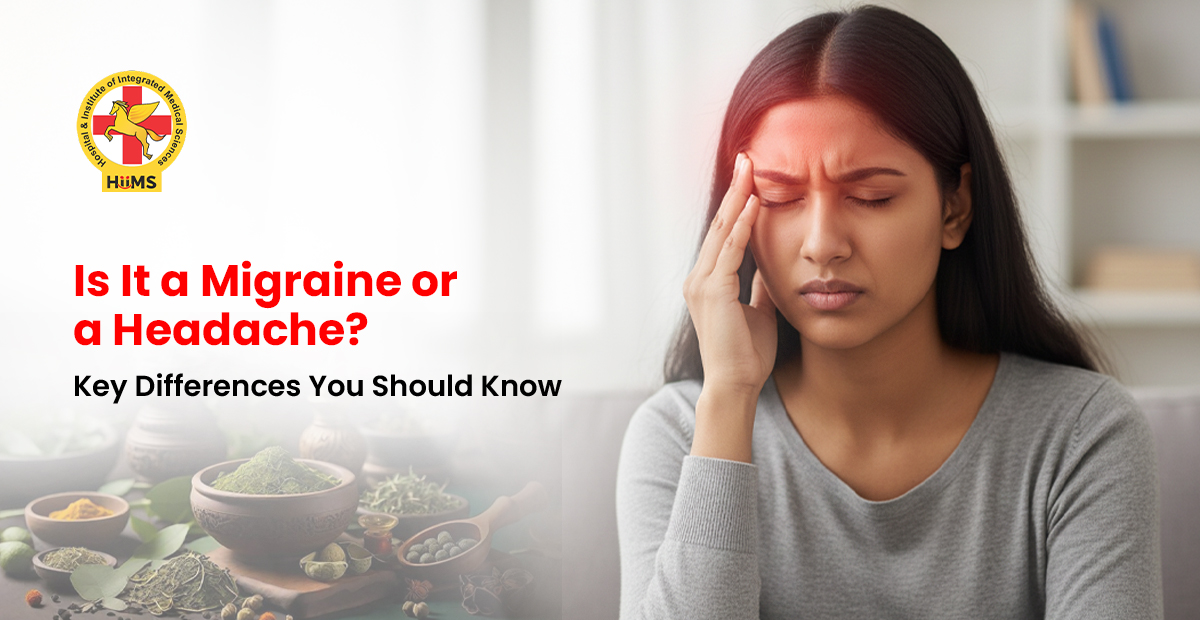

Most people say “I have a headache” without giving it much thought. In reality, that pain could be a regular headache, or it could be a migraine. Understanding migraine vs headache is important because the way each condition is managed can be very different. A regular headache often comes from regular reasons like tension or stress, poor water intake, lack of physical activity, or poor nerve health. Migraines are different. They are usually related to deeper catalysts such as hormonal shifts, some specific kind of food, strong odors, or changes in the environment or weather.
Though both kinds of pain bangs the head down, migraines are worse to bear. People often feel sick, uneasy around light or sound, or notice changes in their vision. When migraine signs are noticed early, it becomes easier to plan the day and avoid things that make it worse. At the same time, understanding regular headaches helps people avoid unnecessary worry. This article explains how both conditions differ and how to recognise them.
What is a Headache?
A headache is a general pain that may affect your head, scalp, forehead or sometimes neck. Almost everyone experiences it at some point. In most cases, it subsides after a few hours or in some cases even minutes. There are different kinds of headaches, such as tension headaches, sinus headaches, and cluster headaches. The pain is usually dull or feels like pressure around the head. Tight shoulders, poor sleep, stress, dehydration, or skipping meals are common reasons behind it.
What is a Migraine?
A migraine is not just a stronger headache. It is a condition that affects the nervous system. The pain is like something is banging inside the head, which usually stays on one side of the head, and it can also be on both sides. It can last for hours or sometimes even for several days. During a migraine, people tend to feel queasy, sensitive to light, smell, sound, or notice eye issues. Triggers can differ from person to person as every individual has their own weak point, like food, smell, or high-volume sound.
Migraine Pain vs Headache Pain
Headache pain is usually steady and manageable. Many people can still work or move around with it. Migraine pain, however, is more intense and harder to ignore. Usually, it drains out of the body and makes an individual impulsive. This is why migraines disrupt daily life more than usual headaches.
Recognising Migraine
Some unmistakable symptoms that point toward a migraine include:
- One side of the head has throbbing pain
- Misery from light, sound, or odors
- Feeling sick or puking
- Visual changes like flashing lights or dark spots
- Pain that lasts overnight or continues for days
These characters help distinguish between migraines from normal headaches.
Migraine vs Headache: Key Differences
|
Feature |
Headache |
Migraine |
|
Pain Type |
Dull or pressure-like |
Throbbing or pulsing |
|
Location |
Both sides of the head |
Mostly one side |
|
Duration |
Short, usually hours |
Long, up to days |
|
Symptoms |
Mild discomfort |
Nausea, light sensitivity |
|
Triggers |
Stress, dehydration |
Hormones, foods, environment |
Types of Headaches
Understanding headache types makes things clearer:
- Tension headaches: Very common and linked to stress or muscle tightness.
- Cluster headaches: Severe pain near one eye, appearing in cycles.
- Sinus headaches: Pain around the forehead or cheeks due to sinus issues.
- Migraine: More intense and includes additional symptoms beyond pain.
Watch the full video to learn how to get instant migraine relief.
Common Migraine Causes
Migraines may start due to:
- Hormonal changes, especially in women
- Certain foods, like chocolate or processed items
- Loud noise, bright lights, or strong smells
- Stress or lack of sleep
- Sudden weather or routine changes
How to Identify Migraines?
Migraines usually involve more than just head pain. The distress is most of the time harsh, one-sided, and a combination of nausea or sensitivity to bright light and sound. To identify migraine, it is important to track when the pain starts, its lasting period, and what happens before it begins, which can help spot the actual cause of the migraine pain.
Conclusion
Understanding the migraine vs headache helps determine which symptoms require closer attention and which are easier to manage. One is usually for a short duration and manageable, while the other needs more attention and care. Handling the symptoms like one-sided pain, nausea, or light sensitivity helps in controlling the situation beforehand. When reasons are understood, aches become easier to manage and handle.
FAQs
Q1. How can we distinguish between a general headache and a Migraine?
If the pain is strong, throbbing, mostly on one side, and comes with nausea or light sensitivity, it is likely a migraine.
Q2. Can stress cause both headaches and migraines?
Yes. Stress often causes tension headaches and can also trigger migraines.
Q3. How long does a migraine last?
Migraines can last from a few hours to three days, while headaches usually pass sooner.
Q4. Do migraines affect vision?
Some people see flashing lights, zig-zag lines, or dark spots before or during a migraine.
Q5. When should someone see a migraine doctor?
If migraines are frequent, severe, or disturb daily life, medical advice should be taken.

Disclaimer: The information provided on this blog is for general educational and informational purposes only. It is not intended to replace professional medical advice, diagnosis, or treatment. Always consult a qualified healthcare professional before making any changes to your diet, lifestyle, or treatment plan. Individual results may vary.