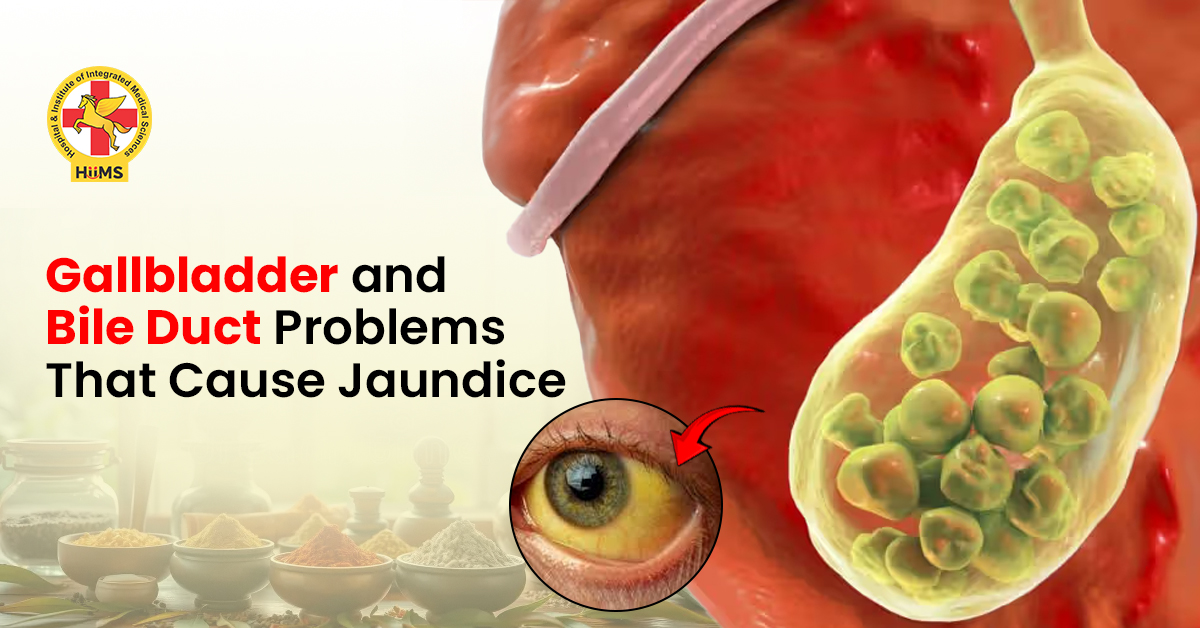

Most people notice jaundice symptoms when the skin or the whites of the eyes begin to look yellow. At first, it feels like a clear liver problem, so the mind goes straight there. But the body generally works in connected systems, not in disconnected parts. Many times, the liver is only reacting to a blockage or pressure coming from somewhere else.
The gallbladder and bile ducts quietly play a major role in how waste leaves the body. When bile cannot flow freely, bilirubin starts building up in the blood. That buildup slowly shows on the skin, in the eyes, and even in urine colour. These changes do not always arrive with sharp pain, which is why they get ignored or misunderstood. Gallbladder stones, duct inflammation, or narrowing can disturb this balance without loud warning signs. Understanding this connection helps people act early instead of waiting.
In this blog, you will learn how gallbladder and bile duct problems cause jaundice, the warning signs to watch for, and how balanced care supports recovery.
Understanding Jaundice in Simple Terms
Why Skin and Eyes Turn Yellow
Jaundice appears when bilirubin rises in the blood beyond normal limits. This pigment naturally comes from old red blood cells. When it stays trapped, it starts to colour the skin and eyes yellow.
How Bilirubin Moves Through the Body
The liver processes bilirubin and sends it out through bile. This bile travels through the bile ducts and exits via the digestive tract. Any break in this route creates trouble.
What Causes Jaundice in Adults
Understanding what causes jaundice becomes easier when the process feels simple. In adults, jaundice may start when the liver feels overloaded, damaged, or blocked. Lifestyle habits, infections, gallstones, long-term medicines, and chronic stress all add pressure.
The causes of jaundice in adults usually fall into three areas: blood breakdown, liver weakness, or bile flow obstruction. Knowing which area is involved guides the right direction of care.
Role of the Gallbladder in Bile Flow
How the Gallbladder Supports Digestion
The gallbladder stores bile made by the liver. When food reaches the intestine, it releases bile to digest fats and carry waste pigments out.
What Happens When Gallbladder Function Is Disturbed
When bile release slows down, bilirubin cannot move out smoothly. This backup slowly triggers visible jaundice symptoms.
Gallbladder Problems That Can Lead to Jaundice
- Gallstones and Their Movement Into Bile Ducts: Gallstones often move very silently. When they slip into bile ducts, they block the flow suddenly. This remains one of the most common reasons behind jaundice.
- Gallbladder Inflammation and Pressure on Bile Channels: Inflammation causes swelling. That swelling presses nearby ducts and raises bilirubin levels, even if the blockage stays partial.
- Rare Gallbladder-Related Compression Issues: Sometimes stones press from outside without entering the duct. Even this pressure disrupts bile flow and causes yellowing.
Understanding the Bile Duct System
What Bile Ducts Do Inside the Body
Bile ducts act like narrow pipelines. They carry bile from the liver and gallbladder to the intestine. Smooth flow keeps digestion stable.
Why Even a Small Blockage Can Cause Jaundice
Because bile ducts are thin, even slight swelling blocks them quickly. This causes fast bilirubin buildup in the blood.
Bile Duct Problems That Trigger Jaundice
- Bile Duct Infections and Swelling: Infections inflame ducts and restrict bile flow. Fever, pain, and yellowing often appear together.
- Narrowing or Scarring of Bile Ducts: Old inflammation or surgery leaves scars. These scars narrow the passage and slow bile movement over time.
- Tumours, Cysts, and External Pressure on Ducts: Growths near ducts press from outside. This blockage develops slowly but steadily worsens.
- Other Less Common Obstructions: Parasites or swollen lymph nodes sometimes interfere. These cases need careful medical evaluation.
How Blocked Bile Flow Causes Jaundice Symptoms
Yellow skin and eyes usually appear first. Urine turns dark, while stools become pale. Digestive discomfort, bloating, itching, fatigue, and appetite loss follow as bile salts enter the bloodstream.
How Doctors Identify Gallbladder or Bile Duct-Related Jaundice
Doctors usually start with blood reports. These show bilirubin levels and how the liver is coping. Scans then help spot stones, swelling, or narrow bile passages. This matters because jaundice treatment works only when the real cause is handled.
General Approach to Jaundice Treatment
Modern care often focuses on quick suppression of symptoms. Long-term chemical medicines may ease discomfort but do not always correct the root blockage. When the focus stays only on numbers in reports, the body keeps struggling underneath. True recovery needs the removal of obstruction and the restoration of natural bile flow.
Ayurvedic Understanding of Jaundice and Bile Imbalance
In Ayurveda, jaundice is known as Kamala. It reflects disturbed Pitta and weakened digestion. Poor digestive fire allows toxins to block liver and bile channels, affecting colour balance and energy levels.

Ayurvedic Support in Jaundice Treatment
Ayurveda does not push the body. It supports slow detox and keeps digestion steady so the liver does not feel stressed. With the right herbs, food choices, and routine, bile flow improves naturally. Doing this without guidance often creates imbalance, which is why professional care is important.
Diet and Daily Habits During Jaundice Recovery
Light meals, fresh fruits, and warm fluids reduce digestive load. Heavy, oily food and alcohol slow healing. Proper rest, light walking, and a steady routine allow the liver to repair quietly from within.
How Jeena Sikho HiiMS Supports Jaundice Care
Jeena Sikho HiiMS focuses on root-cause healing rather than surface relief. Doctors study reports, lifestyle, and digestion together. Treatment combines modern diagnosis with natural recovery support and long-term liver strengthening guidance.
Conclusion
Jaundice does not stand alone as a disease. It acts as a signal that something feels blocked or overloaded inside the body. Looking after the gallbladder and bile ducts matters as much as caring for the liver. Small blockages often seem harmless at first, but they grow over time when left untreated. Early care makes healing smoother. When digestion, bile flow, and daily routine stay balanced, recovery lasts longer.
If you notice ongoing jaundice symptoms, do not delay. Reach out for proper evaluation and guidance today. Call +91 82704-82704 or email care@jeenasikho.com to begin timely care.
FAQs
Q1. What are common causes of jaundice in adults?
The causes of jaundice in adults often include gallstones, liver weakness, bile duct blockage, infections, or long-term medication stress.
Q2. How do gallstones trigger jaundice symptoms?
Gallstones block bile ducts, stopping bilirubin from exiting, which leads to visible jaundice symptoms on skin and eyes.
Q3. What does natural jaundice treatment usually focus on?
Natural jaundice treatment focuses on identifying and correcting the root blockage or liver stress causing bilirubin buildup.
Q4. Why is early diagnosis important in jaundice treatment?
Early diagnosis prevents long-term liver damage and reduces complications linked to bile duct obstruction.
Q5. Can diet support recovery from jaundice symptoms?
A light diet, warm water or herbal teas, and regular meals support digestion and improve recovery alongside proper jaundice treatment.

Disclaimer: The information provided on this blog is for general educational and informational purposes only. It is not intended to replace professional medical advice, diagnosis, or treatment. Always consult a qualified healthcare professional before making any changes to your diet, lifestyle, or treatment plan. Individual results may vary.