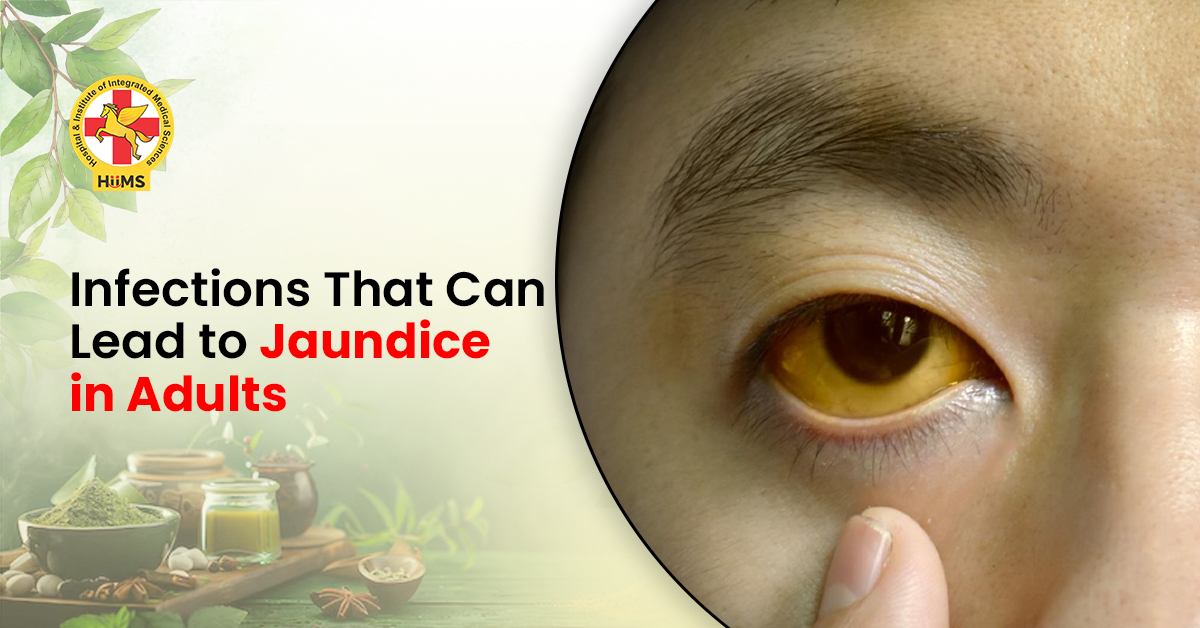

When adults notice a yellow shade slowly appearing in the eyes or skin, it often feels confusing. Just that strange pause where you wonder if it’s your imagination or if your body is trying to say something. In many adults, this change is not random. It often connects back to infections that disturb the liver’s normal working pattern.
Once people understand the causes of jaundice in adults, the fear tends to reduce. Things stop feeling mysterious. Jaundice shows up when something interrupts the liver’s ability to clear waste properly. Knowing what causes jaundice helps people respond early, and that alone makes the treatment journey feel more grounded and less stressful.
Through this blog, you’ll understand how infections lead to jaundice in adults, what the real causes of jaundice in adults are, the early jaundice symptoms people often miss, and how jaundice treatment is approached.
Table of Contents
How Infections Trigger Jaundice
The liver works silently, filtering a yellow pigment called bilirubin, but when infections attack liver cells or block bile flow, that balance slips. Bilirubin starts building up, and jaundice symptoms begin to surface. The difficult part is that most adults put these signs aside.
Feeling tired gets blamed on routine life, and digestive trouble feels like it will pass on its own. Meanwhile, infections don’t announce themselves loudly. They drop small hints early on, much before the yellow shade becomes clearly visible.
Some early jaundice symptoms that appear quietly include:
- A light yellow tint in the eyes.
- Urine is turning darker.
- Constant tiredness.
- Appetite fading, a bitter taste in the mouth, mild nausea, and a heavy feeling near the upper abdomen.
Individually, these signs feel harmless. Together, they often signal the beginning of jaundice.
Common Infections That Cause Jaundice in Adults
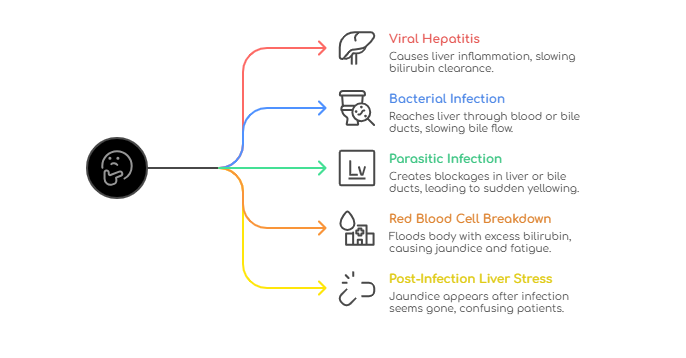
- Viral hepatitis infections are among the leading causes of jaundice in adults. Hepatitis A, B, C, and E cause inflammation in the liver, slowing bilirubin clearance. The liver attempts to cope, but inflammation makes it work harder.
- Bacterial infections can also reach the liver through the blood or the bile ducts. When bile flow slows down, yellowing begins. Fever, chills, nausea, and abdominal discomfort often appear alongside jaundice symptoms.
- Parasitic infections affecting the liver or bile ducts create blockages from within. This often leads to sudden yellowing, itching, and digestive unease that doesn’t settle easily. One of the major causes of jaundice in adults.
- Some infections break down red blood cells faster than usual. This floods the body with excess bilirubin. Even a healthy liver struggles under this load, leading to jaundice along with pale skin and deep fatigue.
- Then there is post-infection liver stress. Sometimes jaundice appears after the main infection seems gone. The fever settles. Medicines stop. But the liver remains weak. This delayed response confuses many adults and delays proper jaundice treatment.
How Jaundice Treatment Is Approached at Jeena Sikho HiiMS
At Jeena Sikho HiiMS, jaundice treatment follows a natural, steady path. The focus stays on supporting the liver instead of forcing quick suppression. Ayurvedic care here blends herbal formulations, Panchakarma therapies, dietary guidance, and home-based support.
- The herbal support for liver balance plays a major role:
- Bhumyamalaki is used to support detox and liver function.
- Kalmegh, bitter but effective, helps digestion and bile movement.
- Katuki works on excess Pitta and bile imbalance.
- Giloy supports the immune system when the body is feeling weak.
- Daruharidra helps in cleansing and cooling the liver.
- Papaya leaves help in improving digestion, and aloe vera calms the system gently.
- Panchakarma detox: therapies help in removing the accumulated toxins that burden the liver.
- Virechana is used to regulate the bile flow.
- Basti helps in digestion and the overall detox.
- Nasya helps in clearing the channels and improving metabolism.
- Dietary advice: Light meals, rice, moong dal, boiled vegetables, and simple foods can help reduce liver stress.
- Fresh juices like pomegranate or sugarcane help in hydration.
- Heavy, oily, and spicy foods are avoided because they disturb Pitta and slow healing.
These changes may sound simple and ineffective, but they matter more than people actually realize.
Conclusion
Infections often slip under the radar as a reason behind jaundice in adults. Once people understand the causes of jaundice in adults and how these infections disturb the liver, they stop worrying only about skin or eye color and begin noticing the body’s quieter warning signs.
Paying attention to early symptoms, starting jaundice treatment on time, and receiving steady guidance from places like Jeena Sikho HiiMS allows the liver to slowly find its balance again. Recovery feels more natural when the body is cared for patiently, not pushed.For guidance, call +91 82704 82704 or email care@jeenasikho.com
FAQs
Q1. Can infections cause jaundice without severe pain?
Many infections begin quietly, with jaundice appearing gradually.
Q2. How is jaundice confirmed after an infection occurs?
Blood tests checking the bilirubin and liver enzymes usually confirm the jaundice.
Q3. Does jaundice always require hospital care?
Not always, but medical guidance is important to find the root cause.
Q4. Can jaundice return after infection recovery?
If liver healing remains incomplete, symptoms may return.
Q5. Can an infection related to jaundice heal completely?
With proper care on time, proper food habits, rest, and the right treatment approach, the body slowly returns to balance.

Disclaimer: The information provided on this blog is for general educational and informational purposes only. It is not intended to replace professional medical advice, diagnosis, or treatment. Always consult a qualified healthcare professional before making any changes to your diet, lifestyle, or treatment plan. Individual results may vary.