
Anxiety is a common mental health disease that might cause you to sweat, feel tense or have a rapid heartbeat. It can be a normal reaction to stress, and a mild level of anxiety can be beneficial as it can alert us to danger.
But in most of the cases, feelings of anxiety and panic interfere with our daily activities and are difficult to manage. Almost one out of three adults faces this issue at some point in their life.
Anxiety can make even simple things feel heavier than they should be. Some days it shows up quietly, and on other days it takes over your mind and routine. Many people don’t even realise how deeply it affects their work, relationships, or health until it becomes too overwhelming to ignore.
This blog aims to help you understand anxiety in a clear and comforting way, and also guide you on how to deal with anxiety in everyday life. The goal is to make you feel supported, informed, and a little less alone in what you’re going through.
Table of Contents
What is Anxiety?
It is a feeling of worry or fear that can range from mild to severe. In many cases, it can provide motivation and keep us safe from danger.
But if anxiety becomes excessive, it can impact our daily functioning. It can lead to distress or physical symptoms such as increased heart rate, shortness of breath and panic attacks.
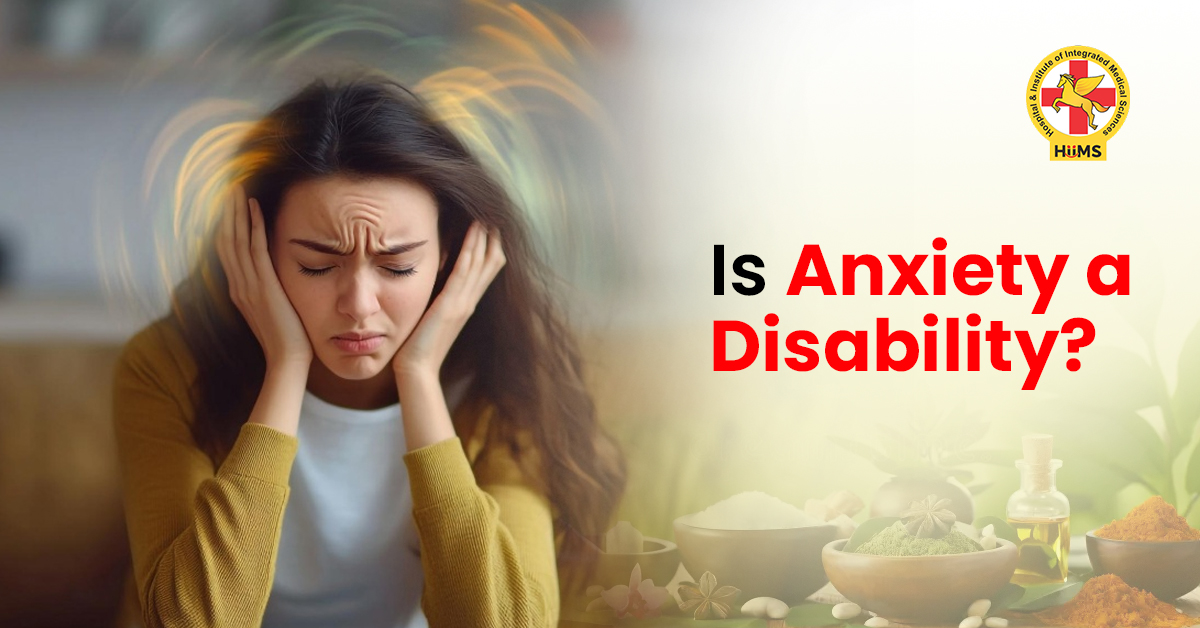
And this is where many people start wondering, Is Anxiety a Disability if it affects their routine so much. The answer depends on how strongly it impacts your daily life and how well you’re able to manage it.
What are the common symptoms of anxiety?
The signs of anxiety can appear different for different people. Many times, the signs start small, but slowly they begin to affect your daily activities. This is also when many people start wondering, Is anxiety a disability, especially if the symptoms start interfering with everyday life. Common signs and symptoms of anxiety include:
- Increased heart rate
- Sweating and trembling
- Shortening of breath
- Trouble sleeping
- Urge to avoid things that trigger anxiety
- Upset stomach
- Panic attacks, which include chest pain
- Weakness
- Lack of concentration
- Irritability
These signs may feel random at first, but together they can make everyday tasks feel a bit harder than usual.
What causes anxiety in the brain?
Anxiety is the fight-or-flight response of the brain. The exact reason behind what causes anxiety in the brain is unknown, but it usually comes from a combination of different factors. These factors may include:
- A family history of anxiety disorder
- Imbalances in neurotransmitters such as dopamine, serotonin
- Traumatic events
- Medical conditions like thyroid
- Excessive caffeine consumption
- Certain medications
- Personality traits such as negative thinking
Understanding these reasons can help you notice early signs and handle them in a better way.
How to Deal with Anxiety?
Many people quietly struggle with anxious thoughts, but small daily changes can make a big difference. If you’re wondering how to deal with anxiety, understanding what calms your mind and supports your body is a good place to start.
Gentle Routine:
Creating a gentle routine of waking up timely, a proper eating routine and a sleep routine can help in stabilizing the mind.
Stress Management:
Meditation, gentle yoga and a daily routine of exercise can help in managing the level of stress.
Slow breathing helps in relaxing the mind instantly.
Dietary and Lifestyle choices:
Eating seasonal fruits and vegetables, light spices, and nourishing food can help calm the inner restlessness of the brain.
Avoid stimulants such as caffeine and processed food.
Keeping yourself hydrated and consuming chamomile or tulsi teas can help relax the mind.
Reduce the noise:
Too much noise or screen time can exhaust the mind. So, keeping a fixed screen limit and reducing the constant flow of information can help your mind feel more relaxed.
How to reduce Anxiety Naturally?
Many people look for gentler ways to calm their mind without depending on medicines. If you’re trying to understand how to reduce anxiety naturally, there are several simple methods that can help you find long-term relief, such as:
Use of Herbs and Oils for treating anxiety:
There are many herbs and oils that are used to manage anxiety, and some of them include:
- Ashwagandha: Builds emotional stability
- Brahmi: Helps in thinking clearly
- Jatamansi: Relaxes the mind and promotes better sleep
Treatments like a warm oil body massage (Abhyanga) make you feel lighter and more focused.
Ayurvedic Therapies:
There are some Ayurvedic therapies that create long-lasting relief from anxiety, and some of them are:
- Shirodhara: Relax the mind through warm oil gently flowing on the forehead
- Shiropichu: A cotton pad soaked in medicated oil is placed on the head, which reduces headaches and mental fatigue.
- Shirobasti: A special cap filled with warm herbal oil stays on the head for a while, and it helps with severe anxiety.
These gentle methods can be an important support for anyone struggling with anxiety, especially during moments when you start wondering, Is Anxiety a Disability? They also work as simple and effective anxiety treatment techniques that help calm the mind and restore balance.
Conclusion
Living with anxiety can feel confusing and a bit draining, especially when it starts interfering with your daily routine. Many people end up asking at some point, Is Anxiety a Disability, because some days it really does slow you down in ways others might not notice.
When you understand the condition properly and explore how to reduce anxiety naturally, healing becomes easier and more meaningful. Understanding the early signs of anxiety can help you get the right treatment at the right time. Natural habits, Ayurvedic therapies, and correcting basic lifestyle habits create a strong foundation for emotional balance.
With the right support and a bit of patience, you can help yourself reduce the anxiety. For natural care and guidance, you may reach Jeena Sikho HiiMS Hospital or write to care@jeenasikho.com.

FAQ
Q1. What are the signs of anxiety?
Increased heartbeat, sweating, and irritability are some of the common signs of anxiety.
Q2. What are the causes of anxiety?
Genetics, overthinking or pressure at work can result in anxiety.
Q3. Can a change in lifestyle habits help with anxiety?
Regular sleep, proper dietary habits and stress management can help in relaxing the mind.
Q4. How does Ayurveda treat anxiety?
Therapies such as shirodhara, shiropichu and some herbs help in calming the mind.
Q5. Is therapy safe for people of all ages?
Most therapies are gentle, natural, and carried out under expert guidance, making them generally safe.

Disclaimer: The information provided on this blog is for general educational and informational purposes only. It is not intended to replace professional medical advice, diagnosis, or treatment. Always consult a qualified healthcare professional before making any changes to your diet, lifestyle, or treatment plan. Individual results may vary.