
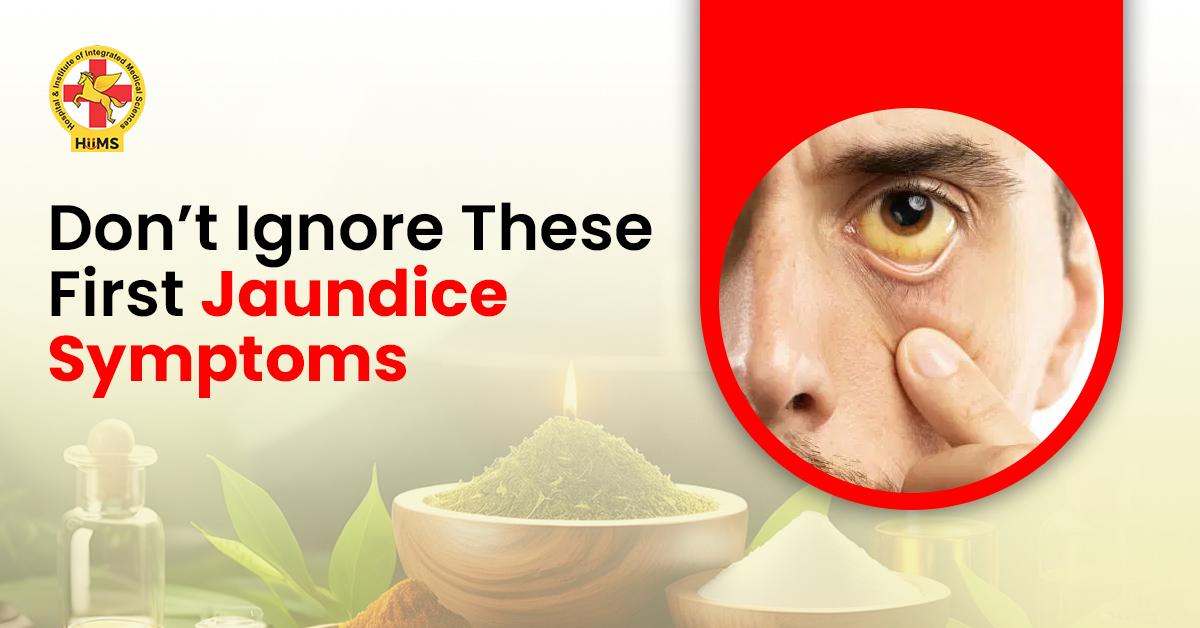

Most of us ignore small changes in our body, a dull start to the day, a little weakness, or noticing something odd in the mirror. But sometimes, these small signs are actually your body’s way of warning you. Jaundice is one such condition.
The starting jaundice symptoms don’t show up suddenly. Instead, they appear gently at first, bringing a slight heaviness in the body and a subtle shift in the eyes. There are quiet hints that your liver is sending a message you should probably not ignore.
Jaundice itself isn’t a disease; it’s the body’s yellow-tinged whisper that something deeper, something more delicate within the liver, bile ducts, or blood, needs attention. The purpose of this blog is to help you understand the early signs of jaundice so you can spot the problem quickly and get the right treatment before it becomes serious.
What Exactly Is Jaundice?
Every day, without fail, old red blood cells retire, breaking down to produce bilirubin. The liver usually takes this yellow pigment in stride—processing it, packaging it, and guiding it out through bile with precision and quiet discipline.
But if the system stops working properly, the bile ducts get narrow, or blood cells break down too quickly, this smooth process gets disturbed. Bilirubin starts building up in the body. First slowly, then more clearly. The skin begins to look yellow, the eyes change color, and the whole body starts to show jaundice symptoms.
Jaundice Symptoms: The Early Clues
When we talk about jaundice symptoms, yellowing of the skin and eyes is the sign. But the body offers more signals. The earliest signs are very light and easy to miss:
- You may notice a slight dullness or heaviness in your eyes when you wake up.
- A faint yellow or lemon-like tint may appear in the eyes.
- Urine becomes darker, almost like tea in color.
- Stools turn pale or clay-colored, as if they’ve lost their usual color.
- Unusual tiredness settles in and stays throughout the day.
- Appetite reduces without any clear reason.
- The skin may start itching in different places.
- A vague discomfort or heaviness may appear on the right side of the abdomen, where the liver is located.
- Nausea, vomiting, or loss of interest in food, along with sudden weight loss.
All these soft, scattered signs together form the starting symptoms of jaundice—even if these appear mild, they deserve attention.
Types of Jaundice
Think of the body like a busy road system. Jaundice happens when something gets blocked on one of the three main paths inside the body.
- Before the Liver (Pre-Hepatic): Red blood cells break down too fast—faster than the liver can process. Malaria, thalassemia, or hemolytic anemia can push bilirubin into the bloodstream like a flood with no drain.
- Inside the Liver (Hepatic): The liver itself is overworked, injured, or inflamed. Hepatitis, cirrhosis, alcohol-related damage, even cancers—each one disturbs the liver’s steady rhythm, leaving bilirubin half-processed or untouched.
- After the Liver (Post-Hepatic / Obstructive): The liver tries, but the exit pathway betrays it. Gallstones, swelling in the ducts, or even silent pancreatic tumors can clog those delicate passageways that normally let bile slip out with ease—turning them into narrow, stubborn corridors where bilirubin collects like traffic stuck at a dead end.
Major Medical Causes Behind Jaundice
- Hepatitis: Viral assault on liver cells.
- Alcoholic Liver Disease: Years of alcohol gradually wear down liver tissue.
- Gallstones: Solid stones blocking the delicate bile ducts.
- Hemolytic Anemia: Rapid destruction of the red blood cells.
- Liver Cirrhosis: Scar tissue replacing healthy cells.
- Pancreatic Tumors: Growths obstructing bile flow.
- Genetic Conditions: Gilbert’s syndrome and others disrupting bilirubin handling.
Each cause changes bilirubin levels in its own distinct way. That’s why knowing why jaundice appeared is more important than noticing it did.

When to Seek Immediate Medical Help
- Yellowing of skin or eyes becomes very strong.
- High fever starts suddenly.
- Any kind of bleeding (nose, gums, vomiting blood, black stools).
- Confusion, drowsiness, or a change in behaviour.
- Swelling in the stomach or legs.
- Urine becomes very dark (almost blackish).
- Stools turn completely pale or white.
If you notice any of these, don’t wait. Diagnosis is not just about confirming jaundice. It’s about choosing the right path for jaundice treatment.
Treatment Approach: Modern Insight and Natural Support
- Pre-Hepatic: Treat whatever is causing excessive red-cell breakdown.
- Hepatic: Soothe, repair, or support the struggling liver and treat infections, reduce inflammation, and manage damage.
- Post-Hepatic: Remove blockages, sometimes with medication, sometimes with procedures or surgery.
At healing-centered spaces like Jeena Sikho HiiMS Hospital, treatment goes further. Patients receive:
- Gentle Ayurvedic detox therapies.
- Personalized diet plans that rest the liver.
- Naturopathic support.
- Yoga, breathwork, and slow, mindful movement.
- Routines that encourage the liver to recover without force.
Healing is not rushed; it is carefully planned.
In natural healing, the liver and bile sit under the reign of Pitta dosha. When Pitta overheats due to stress, spicy food, overwork, or infection, the body accumulates ama, slowing bilirubin clearance.
Ayurvedic support is gentle and grounding:
- Light khichdi
- Warm water throughout the day.
- Fruits, greens, and mild spices.
- Avoiding oily, fried, heavy foods.
- Light walks.
- Calm breathing.
It doesn’t replace treatment, but it strengthens the recovery.
Conclusion
The starting jaundice symptoms may look small, but they tell a powerful story, the one your body needs you to hear. Recognizing these early signals, understanding how each type of jaundice tells its own quiet story, and stepping in at the right moment can completely reshape the path your recovery takes—turning what could have been a long struggle into a far smoother, steadier return to health. One timely decision can shift everything.
So if you notice even the slightest yellowing, a tiredness that feels heavier than usual, or any symptom that makes your body feel “not quite itself,” don’t wait for it to grow louder. Reach out. Call +91 82704-82704 or write to care@jeenasikho.com
Sometimes the simplest action opens the door to healing.
FAQs
Q1. What are the earliest symptoms of jaundice?
The first hints are usually subtle: mild yellowing of the eyes, dark tea-colored urine, pale stools, and a strange, persistent tiredness.
Q2. Do all the types of jaundice show the same early signs?
While yellowing is common to all types of jaundice, pre-hepatic cases show faster fatigue, hepatic ones bring nausea or loss of appetite, and obstructive jaundice often comes with itching and pale stools.
Q3. When should I go to see a doctor?
The moment you notice your yellow eyes, dark-colored urine, or unexplained weakness, it’s better to get checked.
Q4. Is jaundice always serious?
In some cases, it settles with timely care, while others may point to the liver disease or the blockages.
Q5. Can lifestyle changes prevent jaundice?
Eating lighter, avoiding alcohol, staying hydrated, managing stress, and keeping infections at bay strengthen the liver and certainly help.

Reviewed By Dr. Niteshwari

Disclaimer: The information provided on this blog is for general educational and informational purposes only. It is not intended to replace professional medical advice, diagnosis, or treatment. Always consult a qualified healthcare professional before making any changes to your diet, lifestyle, or treatment plan. Individual results may vary.



1 comment